
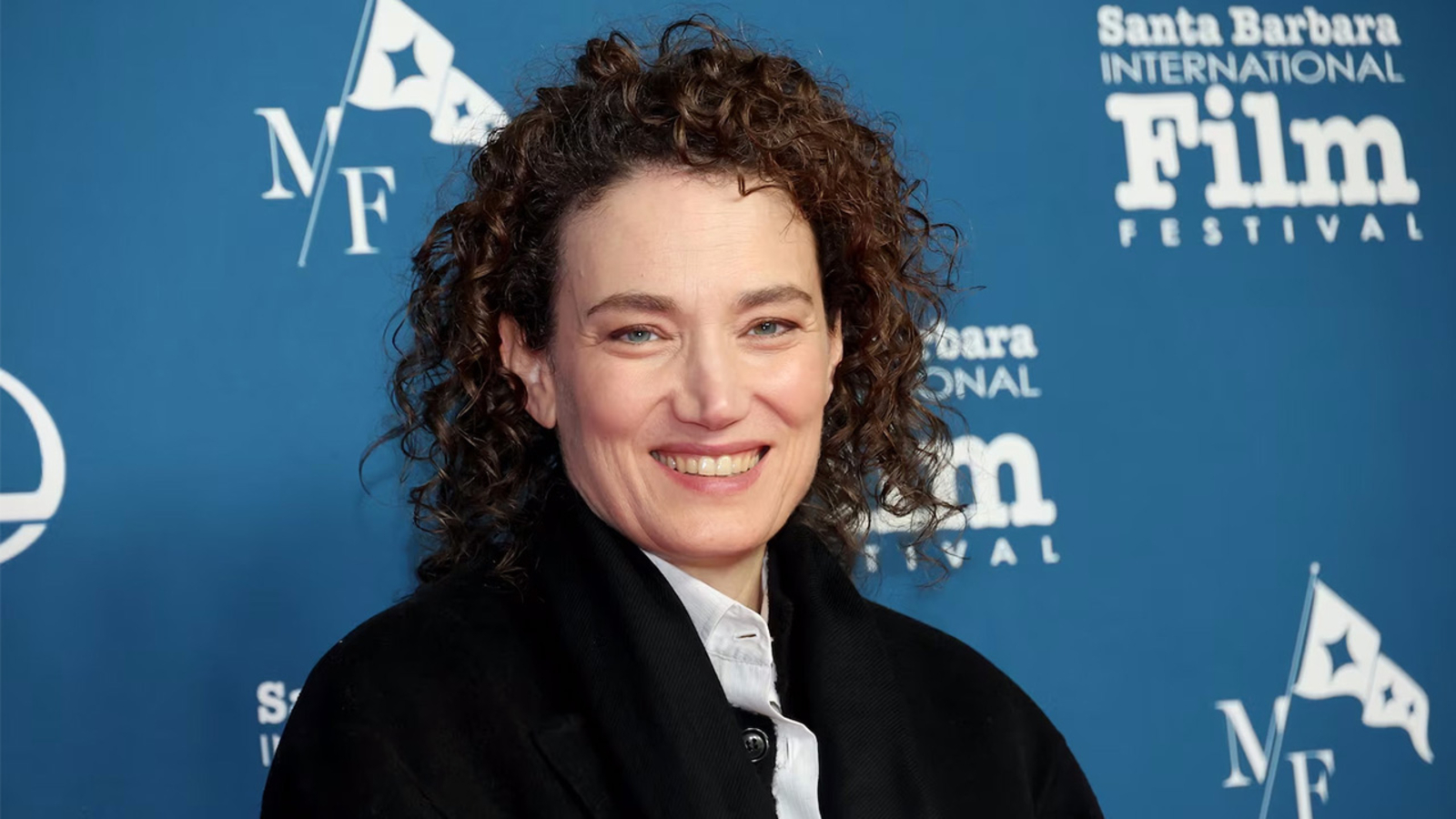
The history of the women best director Oscar nominees tells a story of perseverance, groundbreaking achievement, and the slow but steady reshaping of Hollywood’s most prestigious filmmaking category. Since the Academy Awards began nearly a century ago, only a handful of women have cracked the best director lineup , but each nomination has marked a pivotal moment in cinema history. With Coralie Fargeat’s 2025 nomination for “The Substance” bringing the total to 10 women, let’s explore every female filmmaker who has earned a place in this exclusive club.
The Origins: Lina Wertmüller’s Pioneering 1977 Nomination
Italian filmmaker Lina Wertmüller holds the distinction of being the first woman ever nominated for the best director Oscar. Her 1976 film “Seven Beauties” earned her a nomination at the 49th Academy Awards, shattering a barrier that had stood since the ceremony’s inception. The dark comedy-drama about an Italian soldier during World War II also received a nomination for Wertmüller in the best original screenplay category, but ultimately went home without any trophies.
Wertmüller’s nomination was historic but isolated. It would take nearly two decades before another woman would join her in the best director category, highlighting just how entrenched gender disparities were in the film industry’s highest honors.
The Long Wait Ends: Jane Campion’s 1994 Breakthrough
New Zealand’s Jane Campion became the second woman nominated for the best director Oscar with her haunting 1993 film “The Piano” at the 66th Academy Awards. The film was a massive critical success, earning eight total nominations and winning three Oscars, including best actress for Holly Hunter, best supporting actress for Anna Paquin, and best original screenplay for Campion herself.
While Campion didn’t take home the directing trophy, her nomination signaled that women’s voices in filmmaking were beginning to be recognized on a larger stage. “The Piano” remains one of the most celebrated films of the 1990s and helped pave the way for future generations of female filmmakers Oscar contenders.
A New Era: Sofia Coppola’s 2004 Nomination
Sofia Coppola joined the ranks of women best director Oscar nominees in 2004, earning recognition for her 2003 film “Lost in Translation” at the 76th Academy Awards. As the daughter of legendary director Francis Ford Coppola, she carried on a family filmmaking legacy while carving out her own distinctive voice.
“Lost in Translation” captured four total nominations, and Coppola won the best original screenplay award. Though she didn’t win for directing, her nomination reinforced the growing presence of women in top directorial roles during the early 2000s.
Breaking the Glass Ceiling: Kathryn Bigelow’s Historic Win
The women best director Oscar conversation changed forever in 2010 when Kathryn Bigelow won the award for her 2009 war drama “The Hurt Locker” at the 82nd Academy Awards. Her victory made her the first woman ever to win the best director Oscar , a monumental achievement that reverberated throughout the industry.
“The Hurt Locker” was a juggernaut at the ceremony, earning nine nominations and winning six, including best picture. In her emotional acceptance speech, Bigelow called her win “the moment of a lifetime” and dedicated it to “the women and men in the military.” Her win opened the door for all who followed and proved that women could not only be nominated but actually triumph in the industry’s most male-dominated category.
Greta Gerwig and the Next Wave (2018)
Greta Gerwig became the fifth woman nominated for the best director Oscar with her beloved 2017 coming-of-age film “Lady Bird” at the 90th Academy Awards. The film earned five total nominations, including a best original screenplay nod for Gerwig, though it ultimately didn’t win in any category.
Gerwig’s nomination was particularly notable because it represented a shift in how the Academy viewed women-directed films about women’s experiences. “Lady Bird” was widely beloved by audiences and critics, and Gerwig’s snub for directing at subsequent ceremonies (notably for “Little Women”) sparked widespread outrage about the Academy’s treatment of female filmmakers.
A Historic Year: The 2021 Double Nomination
The 93rd Academy Awards in 2021 marked an unprecedented milestone in the history of women best director Oscar recognition , for the first time ever, two women were nominated in the same year. Emerald Fennell earned a nomination for her 2020 revenge thriller “Promising Young Woman,” while Chloé Zhao was nominated for her poignant film “Nomadland.”
Emerald Fennell’s Bold Debut
Fennell’s “Promising Young Woman” snagged five total nominations and won the best original screenplay trophy. Her sharp, genre-bending film demonstrated that women filmmakers could excel in unexpected territories and command both critical and Academy attention.
Chloé Zhao’s Groundbreaking Victory
Chloé Zhao didn’t just join the nominees , she made history as the second woman to win the best director Oscar and the first woman of color to take home the trophy. Her win for “Nomadland” at the 93rd Academy Awards was a watershed moment for representation in Hollywood.
In her acceptance speech, Zhao reflected on the “crazy once-in-a-lifetime journey” of making her film and dedicated her win to “anyone who has the faith and the courage to hold on to the goodness in themselves, and to hold on to the goodness in each other, no matter how difficult it is to do that.”
“Nomadland” earned six total nominations and won three Oscars, including best director for Zhao and best picture, which she shared with star Frances McDormand, who also won best actress.
Jane Campion’s Triumphant Return (2022)
Jane Campion completed her remarkable journey from nominee to winner at the 94th Academy Awards, taking home the best director Oscar for her 2021 film “The Power of the Dog.” This victory made her the third woman to win the award and the first woman to be nominated twice for best director.
In her acceptance speech, Campion called her win “a lifetime honor” and reflected on the collaborative nature of filmmaking, saying: “I love directing because it’s a deep dive into story, yet the task of manifesting a world can be overwhelming. The sweet thing is I’m not alone.”
The film earned a staggering 12 nominations , Campion’s directing win was its sole victory. Despite the mixed results, her second nomination cemented her legacy as one of the most important female filmmakers Oscar history has ever recognized.
Justine Triet Carries the Torch (2024)
French filmmaker Justine Triet became the ninth woman nominated for the best director Oscar at the 96th Academy Awards for her 2023 courtroom drama “Anatomy of a Fall.” The film earned five total nominations and won the best original screenplay trophy, shared by Triet and her partner Arthur Harari.
Triet’s nomination continued the gradual increase in international representation among women best director nominees and reinforced that the Academy was beginning to embrace more diverse storytelling perspectives.
Coralie Fargeat and the 2025 Oscars
Coralie Fargeat has now become the 10th woman nominated for the best director Oscar, earning recognition for her 2024 body horror satire “The Substance” at the 97th Academy Awards. If she wins, she will become only the fourth woman to claim the directing prize.
“The Substance” is up for five total Oscars, including best picture and best actress for Demi Moore. Fargeat herself is nominated in three categories: best picture, best director, and best original screenplay , a remarkable achievement that highlights her multifaceted creative vision.
With her bold, visually striking film challenging Hollywood conventions, Fargeat represents the continued evolution of women filmmakers pushing boundaries in genre cinema.
Conclusion: A Legacy in the Making
The complete history of women best director Oscar nominees reveals both how far the film industry has come and how much work remains. From Lina Wertmüller’s solitary 1977 nomination to the unprecedented double recognition in 2021 and Coralie Fargeat’s 2025 nod, each entry in this timeline represents a meaningful step toward gender parity in filmmaking’s most prestigious category.
With only three women having won the best director Oscar in nearly 100 years , Kathryn Bigelow, Chloé Zhao, and Jane Campion , the path forward requires continued advocacy, opportunities, and recognition for talented female filmmakers. As audiences tune in to the 2025 Oscars, they’ll witness not just a ceremony, but another chapter in an ongoing story of persistence, talent, and the relentless pursuit of equality behind the camera.