
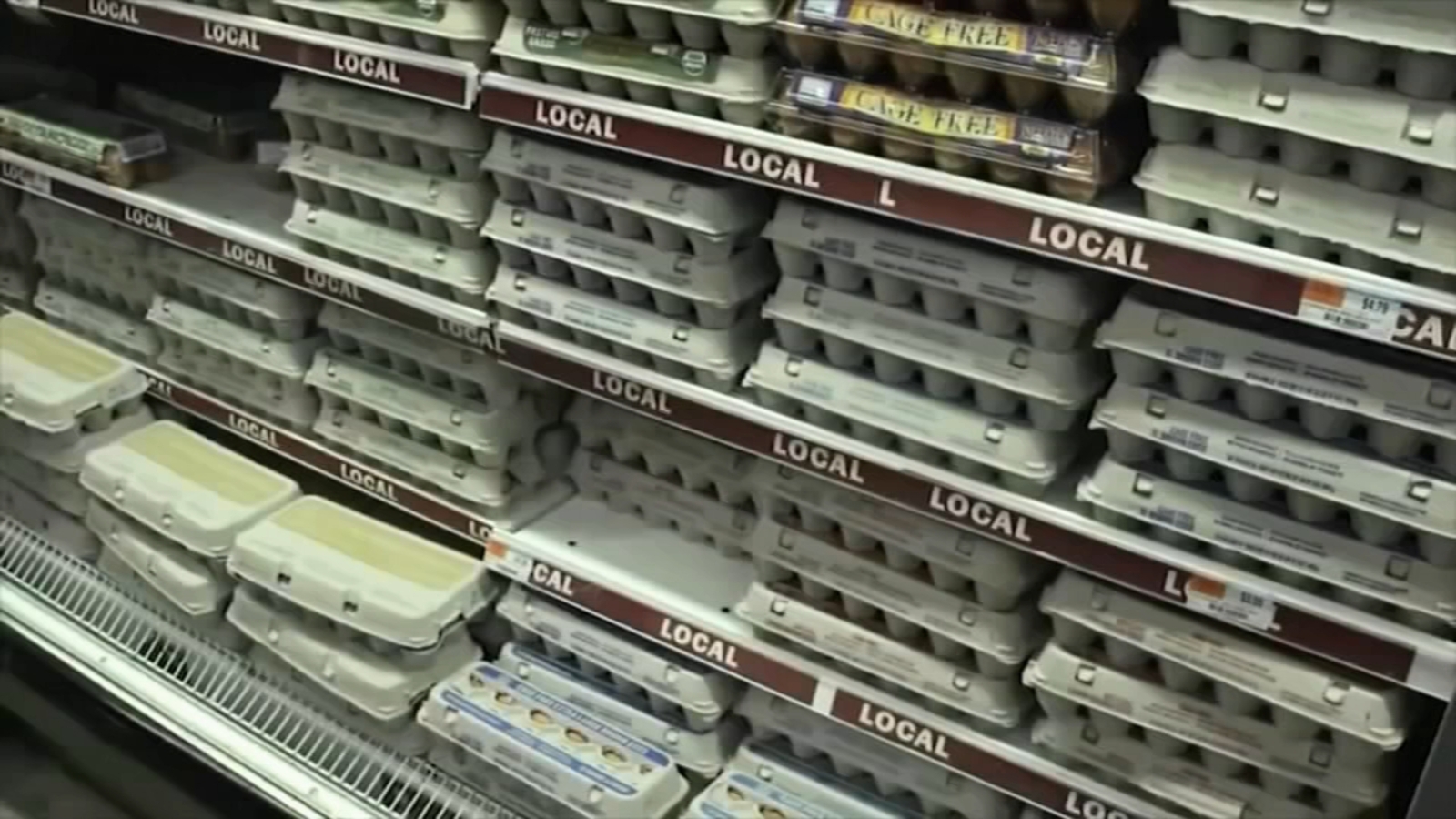
Egg prices are forecast to climb 41.1% in 2025, according to the latest projections from the U.S. Department of Agriculture. That sharply higher estimate reflects a worsening supply outlook as highly pathogenic avian influenza, commonly known as bird flu, continues to disrupt commercial poultry flocks across the country.
For shoppers, the revised forecast suggests that eggs may remain one of the most noticeable contributors to grocery inflation. Although wholesale prices can change quickly, the combination of infected laying hens, flock losses and slower replacement timelines is creating sustained pressure throughout the egg supply chain.
USDA more than doubles its egg price forecast
The USDA’s updated prediction represents a dramatic shift from its earlier outlook. In January, the agency anticipated that retail egg prices would rise by about 20% during 2025. The new estimate of 41.1% is more than twice that figure.
This forecast is a national projection, not a promise that every carton will become 41.1% more expensive. Prices vary by region, store, egg grade, production method and brand. Even so, a forecast of this size signals that consumers are likely to encounter elevated prices for much of the year.
Retail egg prices had already been moving rapidly before the latest revision. According to the USDA report, prices rose 8.4% in December and another 13.8% in January. The national average reached $4.95 per dozen in January, based on earlier data from the U.S. Bureau of Labor Statistics. January’s average was also 53% higher than the same month a year earlier.
Those month-to-month and year-over-year figures show how quickly market conditions changed. What began as a concerning rise in poultry disease became a broad consumer issue as supply shortages worked their way from farms to wholesalers, supermarkets, restaurants and food manufacturers.
Why bird flu is pushing egg prices higher
Bird flu is highly contagious among birds and can be deadly for poultry flocks. When the virus is detected, infected operations may need to remove affected birds to prevent further spread. Those losses immediately reduce the number of hens available to produce eggs.
The USDA estimated that 18.8 million commercial egg layers were affected by avian influenza in January alone. Replacing those birds is not an overnight process. Pullets must be raised, moved into laying facilities and given time to begin producing at commercial scale. Until replacement flocks mature, the available egg supply can remain below normal.
This is why grocery prices may stay elevated even when the number of newly reported outbreaks begins to fall. Recovery depends not only on containing the virus but also on rebuilding productive capacity.
The wholesale market offers an early sign of pressure at the farm and distribution levels. In a separate USDA report released on February 14, wholesale egg prices had increased by $0.40 over a 30-day period. The agency described market offerings as “very light to light” and said there was little prospect of near-term improvement while highly pathogenic avian influenza continued affecting productive flocks.
From farm losses to higher grocery bills
Egg production is a continuous process, and even a relatively small change in the laying population can have a large effect on supply. Commercial hens produce eggs consistently, so when large numbers are lost, distributors have fewer products to allocate among grocery stores, restaurants, schools and other buyers.
Wholesalers respond to tighter availability by raising their prices. Retailers then face higher acquisition costs, transportation expenses and packaging costs, along with the risk of empty shelves if deliveries are delayed. Those changes can reach shoppers within days or weeks.
There may also be differences between regions. Areas near major egg-producing regions might maintain steadier inventories, while markets farther from supply centers could experience more volatility. Specialized products,such as organic, cage-free or free-range eggs,may respond differently when their available supply is more limited.
As a result, comparing only the sticker price can be misleading. A slightly cheaper dozen may still be a strong value, while a discount on a multipack could provide meaningful savings for households that use eggs frequently.
What the 41.1% forecast means for shoppers
The USDA forecast does not mean every shopper will pay 41.1% more on every future purchase. Instead, it indicates that the annual average price of eggs is expected to be substantially higher than the previous year’s average. The monthly trend can be uneven, with prices easing temporarily if supply improves or increasing again if outbreaks intensify.
For many households, the impact will depend on how often they buy eggs and how easily they can adjust menus. A family that uses several dozen eggs each month may feel the increase more sharply than a household that purchases eggs occasionally. The effect can also be significant for consumers following high-protein diets, as well as for people buying prepared foods that contain eggs.
Bakeries, breakfast restaurants, hotels and packaged-food companies may eventually pass higher costs to customers as well. Restaurants could change portion prices, offer more egg-free alternatives or adjust promotional menus. Manufacturers may reformulate some products or seek longer-term supply contracts, although large commercial buyers can also face the same constrained market.
Is the bird flu outbreak a human health crisis?
Avian influenza deserves serious attention, but it is important to separate the impact on poultry from the risk to the general public. The Centers for Disease Control and Prevention reported 70 human cases of bird flu in the United States at the time of the USDA report. Most cases were described as mild.
One death had been reported. Officials said the victim was over 65, had underlying medical conditions and had been exposed to noncommercial backyard poultry and wild birds.
Human infections have generally been associated with direct or close exposure to infected animals rather than routine grocery shopping. Consumers should continue following standard food-safety practices, including keeping eggs refrigerated, avoiding cracked or dirty shells and cooking eggs and egg-containing foods thoroughly. Properly handled and cooked eggs remain an important and safe source of nutrition.
How consumers can manage higher egg prices
There are several practical ways to reduce the effect of rising egg costs without sacrificing variety or nutrition:
- Compare unit prices: Check the shelf label for the cost per ounce or per egg rather than focusing only on the carton’s total price.
- Buy only what you can use: Food waste is an indirect cost of inflation. Choose package sizes that match your household’s normal consumption.
- Use sales thoughtfully: Stock up when discounts are meaningful, but avoid purchasing so many eggs that they spoil before they can be eaten.
- Adjust recipes selectively: Consider less-expensive breakfast options or meals that do not rely on eggs while maintaining a balanced diet.
- Explore alternatives carefully: Tofu, beans, unsweetened applesauce and commercial egg replacers can work in many recipes, although they may not provide the same protein or binding qualities.
- Store eggs safely: Keep them in their original carton on an interior refrigerator shelf and cook them to the recommended safe internal temperature.
Consumers should also be cautious about products marketed with unsupported claims. A higher price does not necessarily indicate greater safety, better nutrition or a lower risk of supply disruption. Official public-health and agricultural-agency updates remain the most reliable sources of information.
What could stabilize the egg market?
The most important factor will be the course of the avian influenza outbreak. Strong farm biosecurity, rapid detection and responsible flock management can help limit transmission. Once the disease is controlled, egg production can recover as replacement hens mature and facilities return to full capacity.
However, rebuilding the laying population takes time. Weather-related disruptions, transportation constraints and changing consumer demand could add further volatility. For that reason, the direction of wholesale prices will be a valuable indicator: sustained increases would suggest continued tightening, while easing wholesale costs could eventually appear in stores.
The outlook for egg prices in 2025
The USDA’s prediction of a 41.1% increase makes 2025 a potentially difficult year for egg buyers. January’s 53% annual increase, the loss of millions of commercial layers and rising wholesale prices all point to one central problem: demand is encountering a substantially tighter supply.
Forecasts can change as quickly as disease conditions evolve, but the current outlook indicates that elevated egg prices may persist. For consumers, the best response is to stay informed, compare prices, reduce waste and remain flexible. The disruption begins on farms, but its consequences are likely to remain visible in grocery budgets throughout 2025.