
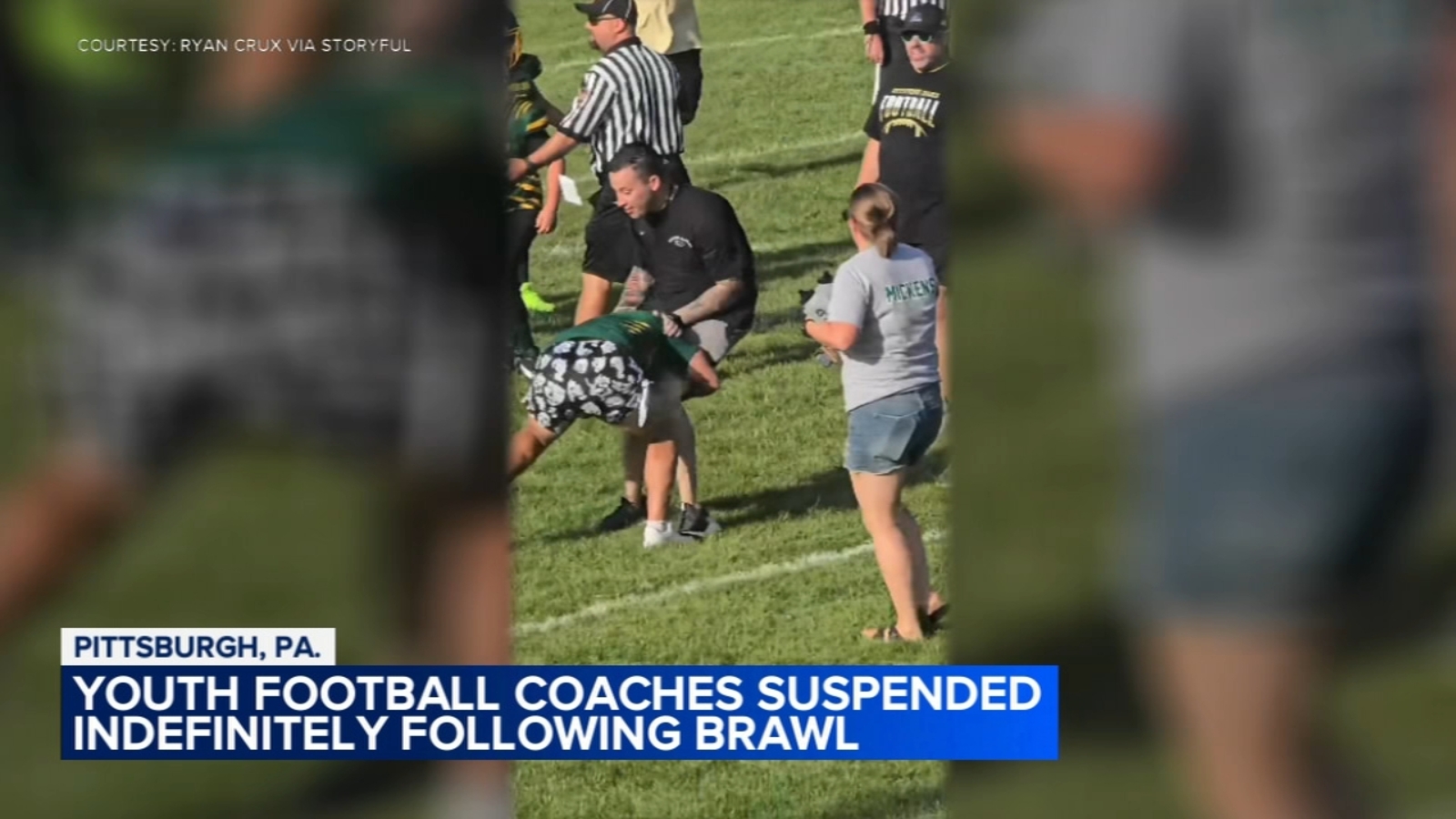
A youth football coaches brawl interrupted a game in Pittsburgh over the weekend, prompting the Steel City Youth Football League to suspend both coaches indefinitely. Video recorded by Ryan Cruz captured the moments leading up to the fourth-quarter confrontation and the physical altercation that followed. The league has launched an internal investigation, and both individuals will remain suspended while that review is underway.
The incident is a sobering reminder that adults,not young players,bear primary responsibility for maintaining control during youth sporting events. Whatever circumstances may have contributed to the dispute, violence on a sideline cannot be treated as part of the competition. With emotions already running high, coaches and staff members are expected to model restraint, sportsmanship, and respect at all times.
What Happened During the Game
According to information reported by WPXI, the incident occurred during a youth football game in Pittsburgh. Footage supplied by Ryan Cruz showed what led to the fight in the fourth quarter, followed by images of the two coaches coming to blows.
The available report does not identify either coach, and it does not provide details about what was said immediately before the confrontation. Because an internal investigation is still in progress, the complete sequence of events and any additional disciplinary decisions have not yet been released.
The Steel City Youth Football League issued a statement announcing that both coaches had been placed on an indefinite suspension. The organization did not announce when the suspension might end. Instead, it said the discipline would remain in effect while an internal investigation is conducted.
League’s Immediate Response
Suspending both coaches was the league’s first formal response to the altercation. The decision keeps the individuals away from team activities, at least temporarily, and gives the organization time to gather statements, review available video, interview witnesses, and consider applicable rules.
An internal investigation should allow the league to examine more than the few seconds captured on camera. Investigators may consider:
- The events immediately preceding the physical confrontation
- Whether either individual attempted to de-escalate the situation
- Whether coaches, officials, volunteers, or other staff members intervened
- Whether existing conduct and sideline policies were followed
- Whether the incident created a safety risk for players, families, or game officials
No additional disciplinary action has been publicly confirmed, so it would be premature to assume that the indefinite suspensions are the league’s final decision. The eventual outcome will likely depend on the findings of the investigation and the organization’s governing policies.
Why a Sideline Altercation Is Especially Concerning
A mid-game fight involving youth football coaches can disrupt far more than one play. Children are watching adults compete for authority in a setting that should teach cooperation, discipline, and fair play. A physical confrontation may also create confusion about whether play should continue, where team members should go, and who is responsible for their safety.
Young athletes often imitate the behavior of the adults around them. Coaches influence how players respond to disputed calls, difficult opponents, mistakes, and frustration. When adults become physically aggressive, they undermine those lessons and may make the environment feel unsafe.
There is also a practical side to the incident. Leagues must consider the well-being of:
- Players who witnessed the confrontation
- Parents and guardians attending the game
- Officials responsible for managing competition
- Volunteers working on the sideline or near the field
- League administrators responsible for responding
Even when no additional injuries are reported, children may remember a frightening or confusing scene. Clear communication after the incident can help prevent rumors from spreading and give families confidence that the league is taking the matter seriously.
The Role of Video Evidence
The footage recorded by Ryan Cruz is central to the public account of what happened. Video can provide league officials with a clearer view of the sequence of events, although it should not be treated as a complete account without supporting testimony and context.
Administrators reviewing the recording should focus on verified facts rather than the most dramatic moments shown online. They can compare the footage with witness statements, game reports, and any applicable league rules. This approach supports a fair process for everyone involved.
Digital evidence can spread quickly, especially when a clip is posted to social media. The most widely viewed portion of a video may not show what happened earlier, so the league’s investigation matters. It also helps prevent assumptions from becoming accepted as fact before the review is complete.
What Strong Coach-Conduct Policies Require
Organizations that operate youth sports programs should set clear expectations before problems arise. A written code of conduct can define appropriate behavior for coaches during games, practices, meetings, travel, and online communications.
A comprehensive policy may address:
- Sportsmanship: Coaches should treat officials, opponents, families, and colleagues respectfully.
- Conflict resolution: Questions and disagreements should be handled calmly through established communication channels.
- Physical boundaries: Striking, threatening, pushing, or other forms of physical aggression should be prohibited.
- Sideline management: Coaches should remain within assigned areas and follow event procedures.
- Reporting: Anyone who observes misconduct should know whom to contact and how to document the incident.
- Due process: Accused individuals should receive notice of the allegations and an opportunity to provide information before a final decision.
Policies are most effective when they are distributed, acknowledged, and consistently enforced. A serious violation may require more than a warning. Depending on the findings, possible consequences could include a suspension, removal from coaching duties, completion of training, or termination of league involvement.
Game-Day Safety and De-Escalation
Preventing another youth football coach fight requires preparation before the next game. League officials can strengthen game-day supervision by identifying who has authority to address disruptive behavior and creating a clear plan for separating individuals when tensions rise.
Useful prevention measures include:
- Briefing coaches on conduct expectations before kickoff
- Assigning league representatives to monitor sidelines
- Establishing a neutral process for discussing officiating concerns
- Creating a signal or protocol for removing an upset coach from the area
- Keeping sufficient space between opposing team benches
- Encouraging officials and administrators to document concerns promptly
De-escalation is a basic professional responsibility. A coach who is angry should pause, use a lower voice, create physical distance, and direct the concern through a league representative. Responding to verbal frustration with physical aggression removes any ambiguity about who violated expectations.
Protecting the Players and the League
Following the Pittsburgh incident, league leaders should communicate with the teams involved without releasing unnecessary personal information. Families may want reassurance that the event is being taken seriously, while the investigation should remain fair and confidential to the greatest extent possible.
Depending on the needs of the athletes, team officials may also speak with players in an age-appropriate way. Such conversations should focus on safety, respect, and the fact that adults are accountable for their actions. Children should not be asked to investigate the incident, choose sides, or carry adult concerns from the field into their homes.
Transparency will also be important once the review is complete. The league may need to explain its findings, confirm any additional discipline, and identify whether policies or procedures will be revised. A public summary can demonstrate accountability while still protecting private information.
What Comes Next
For now, both coaches remain suspended indefinitely, and the Steel City Youth Football League is conducting an internal investigation. No timetable for that review or final disciplinary ruling has been announced. As a result, the footage provides a record of the visible altercation, but it does not by itself answer every factual question surrounding the youth football coaches brawl.
The case underscores the importance of football coach conduct, youth sports safety, and firm sideline discipline. Coaches occupy trusted leadership positions, and the privilege of working with young athletes comes with an obligation to remain composed under pressure. Leagues, meanwhile, must investigate fairly, communicate clearly, and enforce standards consistently so that competition remains centered on teaching, teamwork, and safe participation.