
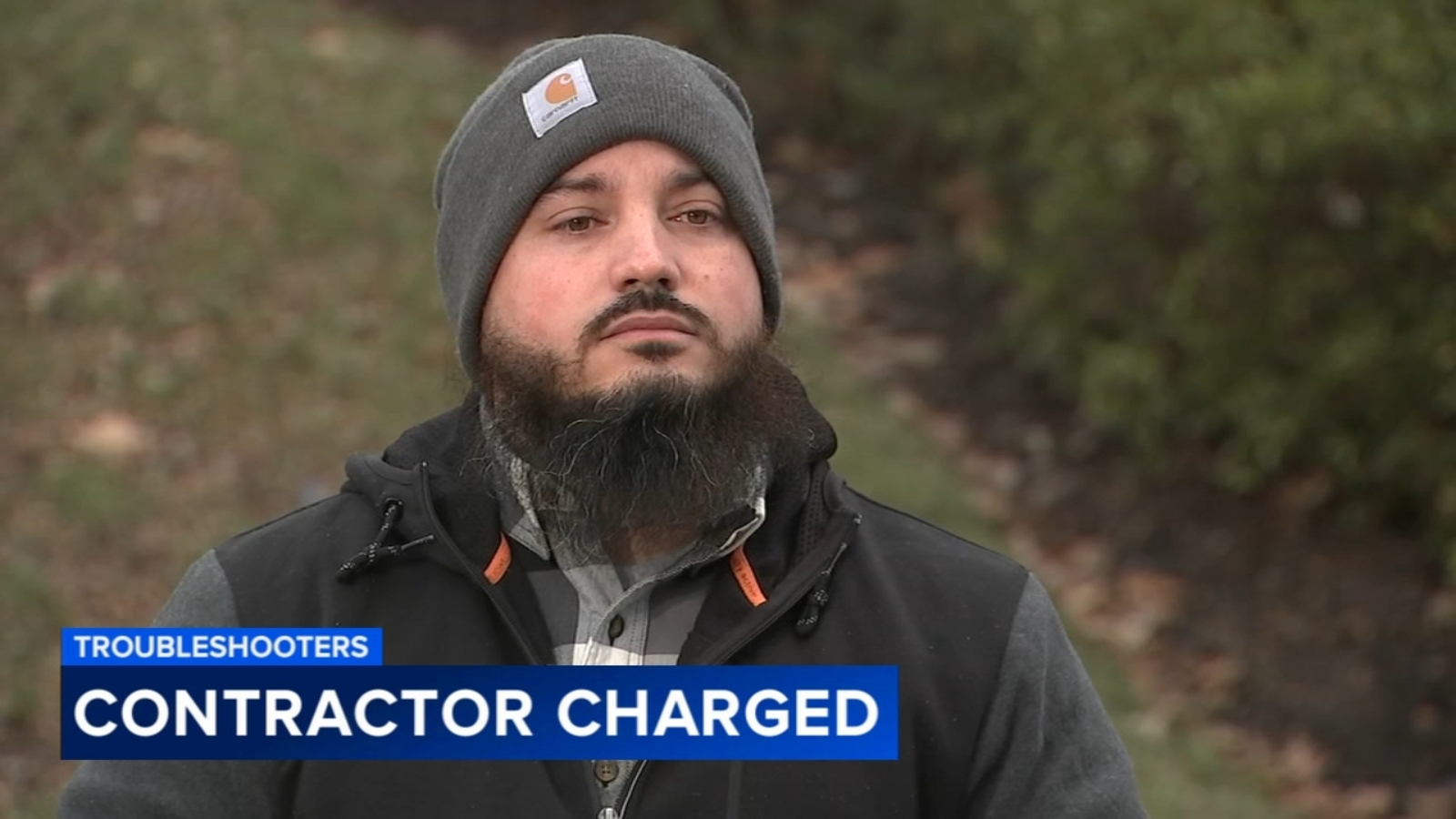
A Philadelphia contractor at the center of a high-profile contractor fraud case has finally pleaded guilty after years of investigation, victim advocacy, and legal maneuvering. Juan Rodriguez, who allegedly swindled approximately a dozen customers out of more than $400,000, entered his guilty plea following a relentless pursuit by local journalists and authorities determined to hold him accountable.
The case, which unfolded over several years, stands as a cautionary tale for homeowners and a reminder of the importance of due diligence when undertaking home improvement projects. It also highlights the vital role that consumer advocacy journalism plays in exposing predatory behavior and seeking justice for victims of contractor fraud.
The Origins of a Lengthy Contractor Fraud Investigation
The story of Juan Rodriguez first surfaced publicly in 2017, when investigative reporters at Action News Troubleshooters began receiving complaints from homeowners who claimed they had paid for home improvement work that was never completed,or worse, never started at all. The reporting drew attention to a pattern of behavior that suggested deliberate deception rather than mere business disputes.
From Initial Reports to Arrest
It took nearly six years from those initial reports for law enforcement to take Rodriguez into custody. He was arrested one year after sitting down with reporters for an on-camera interview in 2022. During that interview, Rodriguez denied any wrongdoing, telling reporter Nydia Han, “No, ma’am I haven’t ripped anyone off”,a statement that would later prove hollow as the evidence against him mounted.
The arrest marked a turning point in the investigation, signaling that authorities were prepared to pursue criminal charges rather than leave the matter as a series of isolated civil disputes.
The Scale of the Alleged Contractor Fraud
According to the Philadelphia District Attorney’s Office, Rodriguez bilked at least 10 customers out of a combined total exceeding $400,000. The scope of the alleged home improvement fraud was staggering, with victims spread across multiple neighborhoods in the Philadelphia area, including South Philadelphia and Southwest Philadelphia.
The financial impact on individual victims varied considerably. Some lost thousands of dollars, while others,like South Philadelphia resident Dale Schmid,were defrauded of sums as large as $77,000. The cumulative damage represents not only lost money but also broken trust, disrupted home improvement plans, and in some tragic cases, unfinished legacies.
Victims Come Forward with Their Stories
What distinguishes this contractor fraud case from many others is the willingness of victims to share their experiences publicly, helping to build a case that ultimately resulted in criminal prosecution.
A Victim’s Persistence Pays Off
Dale Schmid, one of Rodriguez’s most outspoken victims, described the emotional toll of dealing with a contractor who took his money and then refused to communicate. When asked whether Rodriguez had stopped responding to calls and messages, Schmid confirmed: “No response whatsoever.”
Schmid’s commitment to seeing justice served became a defining element of the case. He told reporters that pursuing accountability “really was an exercise in resilience and in persistence”,words that capture the exhausting reality that many contractor fraud victims face when trying to recover losses.
Anger and Frustration in Southwest Philadelphia
Tina Barlow, another Southwest Philadelphia resident who fell victim to Rodriguez’s schemes, expressed the raw emotion that often accompanies these experiences. “I was pissed,” she said. “For you to take advantage of me.” Her reaction reflects the betrayal many homeowners feel when they discover that someone they trusted to improve their homes was, in fact, exploiting them.
Legal Proceedings and Criminal Charges
The Philadelphia District Attorney’s Office ultimately filed 13 counts of home improvement fraud and 11 counts of theft by deception against Rodriguez. The combination of charges reflected the multifaceted nature of the alleged crimes, encompassing both the failure to deliver contracted services and the deceptive acquisition of funds.
The distinction between these charges matters for several reasons:
- Home improvement fraud charges specifically target contractors who accept payment for work they fail to perform,a violation that carries significant penalties in Pennsylvania.
- Theft by deception charges address the fraudulent manner in which Rodriguez allegedly obtained money from his victims, recognizing that deception itself is a criminal act.
The decision to pursue criminal charges,rather than relying solely on civil remedies,sent an important message about how seriously the justice system would treat contractor fraud in this case.
Justice, Restitution, and the Road Ahead
With Rodriguez’s guilty plea now entered, victims are beginning to see some measure of accountability for their losses. The court has ordered at least partial restitution to those affected, though the full financial recovery remains uncertain for many.
Schmid was also awarded a summary judgment in a separate civil suit against Rodriguez for more than $130,000,a significant legal victory, even if collecting the full amount proves challenging. He expressed gratitude for being able to “recoup at least some money” and acknowledged the bittersweet nature of the resolution.
Tragically, Schmid also revealed that two of Rodriguez’s original victims had passed away before they could witness the conclusion of their case. This sobering detail underscores the urgency of pursuing justice promptly in contractor fraud cases, as some victims may never see resolution in their lifetimes.
Sentencing Scheduled
Rodriguez is scheduled to be sentenced on April 24th. The sentencing hearing will determine not only the length of any incarceration but also the specific terms of restitution owed to victims. For those who have waited years for resolution, the upcoming hearing represents the final chapter in a long and painful ordeal.
Lessons in Consumer Protection and Home Improvement Caution
The Rodriguez case offers several important lessons for homeowners considering home improvement projects. While most contractors operate honestly, the existence of cases like this demonstrates the importance of taking precautions before signing contracts or making payments.
Red Flags to Watch For
Several warning signs emerged in the complaints against Rodriguez that prospective clients should treat as cautionary indicators:
- Reluctance to provide written contracts or detailed estimates
- Pressure to pay large sums upfront before work begins
- Sudden disappearance or unresponsiveness after receiving payment
- Failure to obtain proper licensing or permits for the work being performed
- Negative reviews or complaints from previous clients
Homeowners can protect themselves by verifying a contractor’s license and insurance, checking references thoroughly, and never paying the full amount upfront. Reputable contractors typically request a reasonable deposit with the balance tied to completion milestones.
The Power of Collective Advocacy
Perhaps the most inspiring element of this story is what it reveals about the power of collective action. The combination of victims willing to speak out, journalists committed to persistent investigation, and prosecutors prepared to pursue charges created a path toward justice that no individual could have walked alone. As reporter Nydia Han noted, the hope is that “by our collective action, that others are not at risk of harm in the future.”
The Broader Implications for Contractor Fraud Cases
This case adds to a growing body of examples demonstrating that contractor fraud will not be tolerated in Philadelphia or elsewhere. The willingness of authorities to pursue lengthy investigations, file substantial charges, and seek meaningful restitution sends a clear message to anyone considering similar behavior: the consequences can be severe.
For victim advocacy groups and consumer protection organizations, the case also serves as a roadmap for how persistent attention to fraudulent contractors can yield results, even when the path to justice is long and difficult.
Conclusion
The guilty plea of Juan Rodriguez represents more than just the resolution of a single criminal case,it stands as a testament to the power of perseverance in the face of contractor fraud. From the first investigative reports in 2017 to the upcoming sentencing date, this case demonstrates that accountability is achievable, even when the journey takes years.
For homeowners who have been victimized by dishonest contractors, this story offers both validation and encouragement. The experiences of Dale Schmid, Tina Barlow, and others remind us that victims do not have to suffer in isolation or accept their losses as inevitable. Through persistent advocacy, thorough journalism, and dedicated prosecution, justice can prevail against contractor fraud.
As the community awaits Rodriguez’s sentencing, the case continues to serve its most important purpose: protecting future homeowners from similar harm and reinforcing the principle that contractor accountability matters,not just for the victims who have suffered, but for the integrity of the home improvement industry as a whole.