
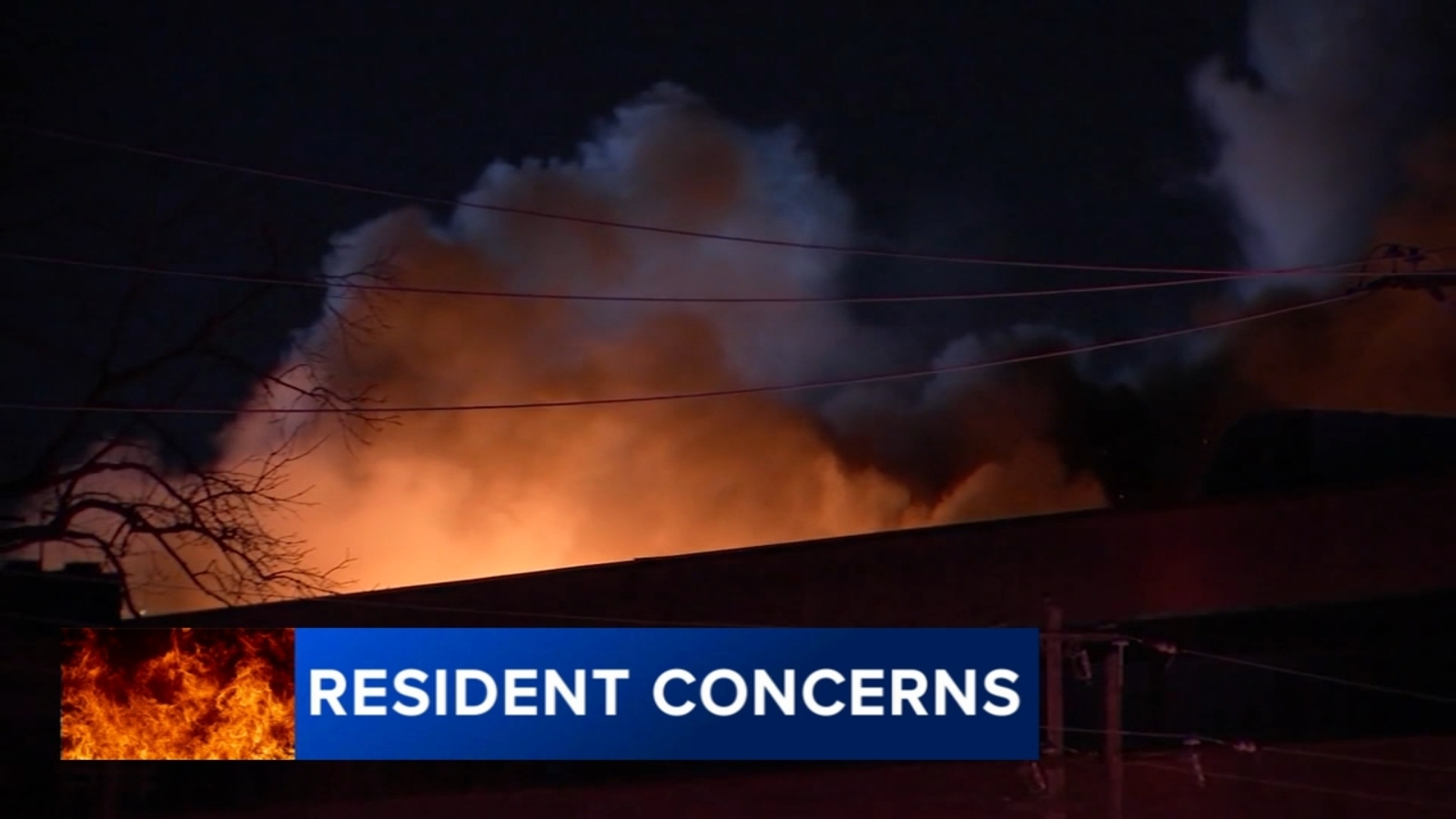
More than a week after the devastating SPS Technologies fire ripped through the Glenside manufacturing facility, residents of nearby Jenkintown Borough are still grappling with unanswered questions about potential environmental and health hazards. The February 17 inferno sent massive plumes of smoke billowing into the air for approximately nine hours, prompting shelter-in-place orders and igniting a wave of concern among those living within blocks of the aerospace materials manufacturer.
The incident has sparked urgent demands from the community for transparency, thorough environmental testing, and accountability from both government agencies and the company itself. Here’s what residents, officials, and environmental experts are doing in the aftermath of this alarming industrial disaster.
What Happened at the SPS Technologies Fire?
On February 17, the SPS Technologies facility in Glenside, Pennsylvania , a company known for producing critical materials for the aviation industry , erupted into flames. The fire burned intensely for roughly nine hours, generating enormous clouds of dark smoke that drifted across residential neighborhoods, including portions of Jenkintown Borough located just a short distance from the plant.
During the blaze, local authorities issued shelter-in-place directives, urging residents to remain indoors with windows closed to minimize exposure to potentially hazardous airborne particles. First responders, including police, firefighters, and hazmat teams, were dispatched to the scene, and newly released bodycam footage captured the chaotic conditions as emergency crews arrived to battle the industrial inferno.
Now, over a week later, the physical fire may be extinguished, but its aftermath continues to burn in the minds of worried residents.
Growing Health and Environmental Concerns Among Residents
For many Jenkintown residents, the lingering worry is not just about what they witnessed that night but about what they may have inhaled. Sean Parker, who lives approximately three blocks from the SPS Technologies facility, expressed frustration about being told to shelter in place while breathing in unknown substances for hours.
“We Need Answers” , A Community’s Unified Message
“We breathed this stuff in for nine hours that night, and being told to shelter in place , we need answers,” Parker stated emphatically. His concerns reflect a broader sentiment rippling through the community, where families are wondering whether the smoke exposure will have long-term health consequences.
Some residents, like Parker, have taken personal health precautions by seeking medical testing. “I understand it’s early, but I’m getting tested for metal poisoning,” he explained. “Cancer is no joke.” His proactive approach underscores the level of anxiety gripping the neighborhood.
Demands for Soil Testing and Chemical Transparency
While government agencies have been quick to communicate about air and water quality, residents feel a critical gap remains in the environmental investigation. Bob Kohlhepp, another local resident, raised pointed concerns about what settled onto the ground during those nine hours of uncontrolled burning.
“The fact that this is going on and all that went up in the air , there’s nothing known about what is littered all over the ground,” Kohlhepp noted. This concern has become a rallying cry for residents who want comprehensive soil testing to identify any toxic residues left behind by the industrial fire.
Government Agencies Step In: What Monitoring Has Revealed
In the days following the SPS Technologies fire, several government agencies have mobilized to assess environmental conditions in the surrounding area:
- The Pennsylvania Department of Environmental Protection (DEP) has been actively monitoring the site and surrounding neighborhoods.
- The Environmental Protection Agency (EPA) has also deployed resources to evaluate contamination risks.
- The Montgomery County Hazmat Team has coordinated with local authorities on chemical identification and safety protocols.
According to official statements, neither the DEP nor the EPA has detected contamination in air or water quality samples collected since the fire. While these initial findings may offer some reassurance, residents argue that the absence of contamination in air and water doesn’t tell the complete story , especially when it comes to soil.
Borough Council Pushes for Action and Transparency
Local government leaders have not been silent on the issue. Jenkintown Borough Council President Jay Conners has made it clear that council members share the community’s concerns and are actively pushing for more thorough investigations.
Council Members Are Residents Too
“We’re residents here too, and we have children here, and we have children who go to the school, so we’re just as concerned,” Conners emphasized. “We are keeping on top of them.” His statement highlights an important point: elected officials in Jenkintown aren’t just representing their constituents , they and their families are directly affected by the environmental fallout from the SPS Technologies fire.
Borough council leaders have committed to pushing for comprehensive soil testing as the investigation continues. They’ve also committed to maintaining pressure on the relevant agencies to ensure that no stone is left unturned in the environmental assessment process.
Upcoming Community Meeting with Hazmat Experts
Recognizing the importance of direct communication between experts and the public, Borough Council has announced plans to organize a community meeting featuring representatives from the Montgomery County Hazmat Team. This meeting will provide residents with a direct line to specialists who can answer pressing questions about:
- Which specific chemicals were stored or used at the SPS Technologies facility
- What substances may have been released during the fire
- Potential short-term and long-term health risks
- Recommended safety precautions for families and pets
- The status and scope of ongoing environmental testing
For residents like Parker, this kind of engagement is essential. “There’s a lot at risk here, and we’re counting on them,” he said, summarizing the community’s expectations for transparency and action.
Why Industrial Fires Raise Unique Concerns
The heightened anxiety surrounding the SPS Technologies fire is not without reason. Industrial facilities like SPS Technologies , which produces specialty fasteners and materials for the aviation and aerospace sectors , often house a complex array of chemicals, metals, and synthetic compounds. When these materials burn uncontrollably, they can release a dangerous cocktail of toxic substances, including:
- Heavy metals such as nickel, chromium, and cadmium, which can cause long-term health issues including cancer and neurological damage
- Volatile organic compounds (VOCs) that can affect respiratory and neurological function
- Particulate matter that can penetrate deep into the lungs
- Dioxins and furans produced when certain industrial materials combust
Given these risks, residents’ demands for soil testing are grounded in legitimate public health science. While air and water monitoring is a critical first step, soil contamination can persist for years or even decades, posing ongoing exposure risks through dust, gardening, and groundwater migration.
Where Residents Can Find Reliable Updates
To ensure the community stays informed as the situation develops, several official resources are providing regular updates:
- Jenkintown Borough official website: jenkintownboro.com
- Abington Township SPS updates: abingtonpa.gov/spsupdates
- Pennsylvania DEP Southeast Regional Office: pa.gov/dep
Residents are encouraged to monitor these resources regularly, attend upcoming community meetings, and document any health symptoms they experience in the weeks and months following the fire.
Moving Forward: A Community United for Accountability
The SPS Technologies fire has become more than just a local news event , it’s a defining moment for the Jenkintown and Glenside communities. While emergency responders have been praised for their bravery in tackling the industrial inferno, the cleanup and accountability phase is just beginning.
Residents are united in their demand for full transparency about what burned, what settled on their properties, and what risks they may face going forward. Borough council members are amplifying those demands at the government level. And environmental agencies are working to provide the data needed to either confirm safety or identify areas requiring remediation.
As the investigation continues, one thing remains clear: the community will not rest until they have the complete picture. Whether it’s soil testing results, comprehensive chemical inventories, or long-term health monitoring programs, Jenkintown residents are sending a clear message that their health, their children’s futures, and the integrity of their environment are not negotiable.
The SPS Technologies fire serves as a sobering reminder of how industrial incidents can ripple far beyond the facility’s property lines, affecting entire communities for years to come. For now, the people of Jenkintown are watching, waiting, and demanding the answers they deserve.