
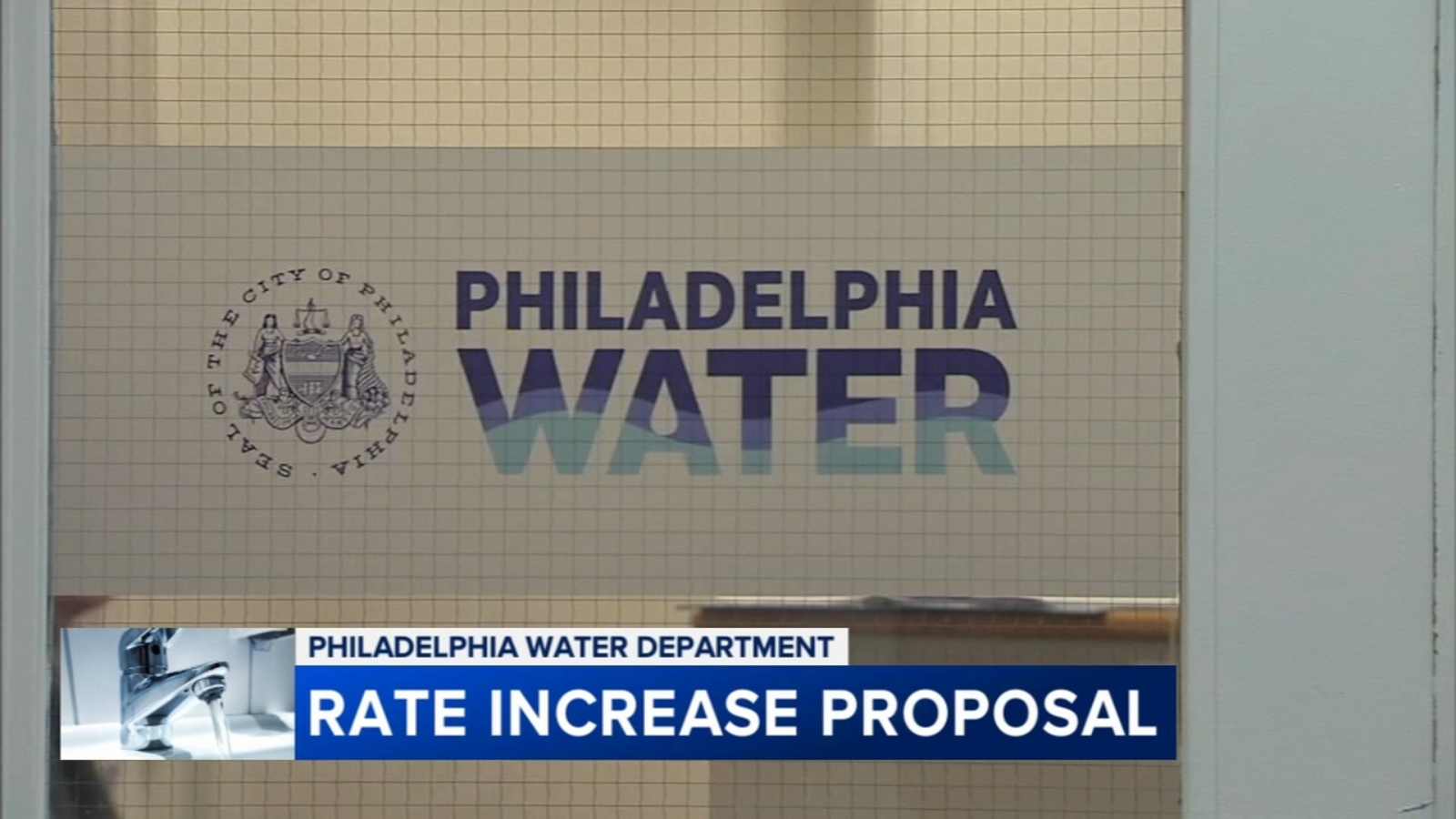
If you’re a Philadelphia Water Department (PWD) customer, you may want to start preparing your household budget for some changes. A proposed Philadelphia water rate increase could hit residents’ wallets as early as this fall, with customers facing higher monthly bills if the request is approved by regulators. The utility has formally requested a hike that would begin this September, citing the need to keep pace with escalating operational costs across multiple departments.
While an increase in utility bills is never welcome news, understanding the reasoning behind the request, the timeline, and the potential financial impact can help Philadelphia residents plan accordingly. Below, we break down everything you need to know about this pending Philadelphia water rate increase, from the dollar figures to the regulatory process and what it could mean for your monthly expenses.
Why Is the Philadelphia Water Department Requesting a Rate Hike?
The Philadelphia Water Department has pointed to a familiar set of pressures facing utilities across the country: rising costs in labor, materials, and equipment. These three categories have seen significant inflationary pressure over the past several years, and PWD is no exception.
The Rising Cost of Labor
Like most major municipal utilities, the Philadelphia Water Department employs a large workforce responsible for everything from water treatment and distribution to customer service and infrastructure maintenance. Wage increases, benefits, and the cost of retaining skilled workers in specialized positions have all contributed to higher operating expenses. Labor costs in the utility sector have consistently outpaced general inflation, making it one of the most significant drivers of any Philadelphia water rate increase.
Materials and Equipment Costs
The materials needed to maintain and upgrade Philadelphia’s aging water infrastructure,including pipes, treatment chemicals, and filtration components,have become more expensive. Equipment costs, from heavy machinery used in street repairs to advanced monitoring technology, have also climbed. Supply chain disruptions and increased demand for infrastructure materials have compounded these costs, leaving the department with little choice but to seek additional revenue.
Infrastructure Investment Demands
Beyond day-to-day operations, the Philadelphia Water Department faces ongoing pressure to modernize an infrastructure system that serves millions of residents and businesses. While the current proposal focuses on offsetting operational costs, future rate requests may also reflect the substantial capital investments needed to upgrade water mains, sewer systems, and treatment facilities throughout the city.
How Much Will Philadelphia Water Bills Increase?
If the proposed rate hike receives approval, customers can expect a meaningful,but not catastrophic,jump in their monthly bills.
The First Phase: September Increase
The initial Philadelphia water rate increase would take effect this September, with the average customer seeing their bill rise by approximately $10 per month. For a typical household, that translates to roughly $120 in additional costs over the course of a year. While not insignificant, the increase is structured to help the utility manage immediate cost pressures without creating an unbearable burden on residents.
The Second Phase: Following September
Customers should also be aware that the proposed increases don’t end with the first phase. A second, smaller water bill increase of about $5 per month is slated to take effect the following September. Taken together, these two adjustments could raise the average customer’s monthly water bill by around $15 once both phases are fully implemented.
What Does This Mean for Annual Costs?
When you add up both phases, a typical Philadelphia water customer could be paying approximately $180 more per year compared to current rates. For families already navigating the cost of groceries, housing, and energy, this additional expense underscores the importance of budgeting and exploring potential ways to reduce water consumption.
When Will the Final Decision Be Made?
The fate of the proposed Philadelphia water rate increase rests with the Philadelphia Rate Board, the regulatory body responsible for evaluating utility rate requests and determining whether they are justified.
The June Decision
The Rate Board is expected to make a final decision in June. This timeline gives the board several months to review the utility’s financial documentation, hold public hearings, and consider input from customer advocacy groups, city officials, and everyday Philadelphians. Until the board issues its ruling, the proposed increases remain tentative.
The Public’s Role in the Process
Pennsylvania’s utility rate-setting process generally includes opportunities for public comment, and Philadelphia residents are encouraged to participate if they have concerns about the proposed water rate hike. Public hearings allow customers to voice their opinions on affordability, service quality, and the necessity of the increase. Staying informed about hearing dates and submitting feedback can be valuable ways to engage with the process.
Who Will Be Affected by the Water Rate Increase?
The short answer: nearly everyone who receives water service from the Philadelphia Water Department.
Residential Customers
Homeowners and renters who pay water bills directly,or whose landlords pass water costs through,will see the most immediate impact. Families, in particular, may feel the pinch, especially those living on fixed incomes or tight budgets. For households already struggling with rising costs across the board, an additional $10 to $15 per month can represent a significant portion of a weekly grocery budget.
Small Businesses
Small business owners in Philadelphia should also take note. Restaurants, salons, and other water-dependent businesses may see their operating costs rise. While commercial customers often pay different rate structures than residential users, they are not exempt from rate increases. Business owners may want to factor the potential Philadelphia utility rate changes into their financial planning.
Large Commercial and Industrial Users
Large water users, including industrial facilities and multi-unit residential complexes, will also be affected. However, because these customers typically use significantly more water, the percentage impact of a flat-dollar increase may be smaller compared to the impact on residential customers.
Tips for Managing Higher Water Bills in Philadelphia
While a rate increase may be beyond your control, there are practical steps you can take to manage the impact on your household budget.
- Monitor your water usage: Identify habits and appliances that consume the most water, and look for opportunities to reduce consumption. Simple changes like fixing leaky faucets, taking shorter showers, and running dishwashers only when full can yield meaningful savings.
- Invest in water-saving devices: Low-flow showerheads, faucet aerators, and high-efficiency toilets can dramatically reduce water usage over time, offsetting some of the impact of the water bill increase.
- Check for assistance programs: Philadelphia offers various programs to help low-income residents afford utility bills. The Water Department’s Customer Assistance Program (CAP) and other support initiatives may be available to qualifying households.
- Review your bill carefully: Make sure you’re not being charged for services you’re not receiving or that contain billing errors. If something looks off, contact PWD customer service promptly.
- Budget proactively: If the rate increase is approved, adjust your monthly budget to account for the additional expense. Setting aside a small amount each month can prevent sticker shock when the new rates take effect.
The Bigger Picture: Utility Costs in Philadelphia
The proposed Philadelphia water rate increase is part of a broader trend affecting utility customers nationwide. From electric and gas to water and wastewater services, Americans have seen steady increases in their monthly bills over the past decade. Aging infrastructure, climate change adaptation, regulatory compliance, and general inflation all contribute to the upward pressure on utility rates.
In Philadelphia specifically, residents already pay a combined stormwater, water, and sewer bill that can run well over $100 per month for many households. Adding another $15 on top of that figure underscores the importance of long-term planning and advocacy for equitable rate structures that protect vulnerable populations.
Conclusion: Staying Informed About Philadelphia Water Rates
The pending Philadelphia water rate increase is a story worth watching closely, particularly for the more than half a million households and countless businesses that depend on the city’s water system every day. With a Rate Board decision expected in June and a potential first hike arriving as soon as September, Philadelphia residents should stay engaged, participate in public hearings if possible, and begin planning for the financial impact now.
While the proposed increase of about $10 per month,followed by an additional $5 the next year,may seem modest on paper, every dollar matters for households managing tight budgets. By understanding the reasons behind the request, exploring conservation strategies, and taking advantage of any available assistance programs, Philadelphians can navigate this water rate hike with confidence and keep their household finances on solid ground.