
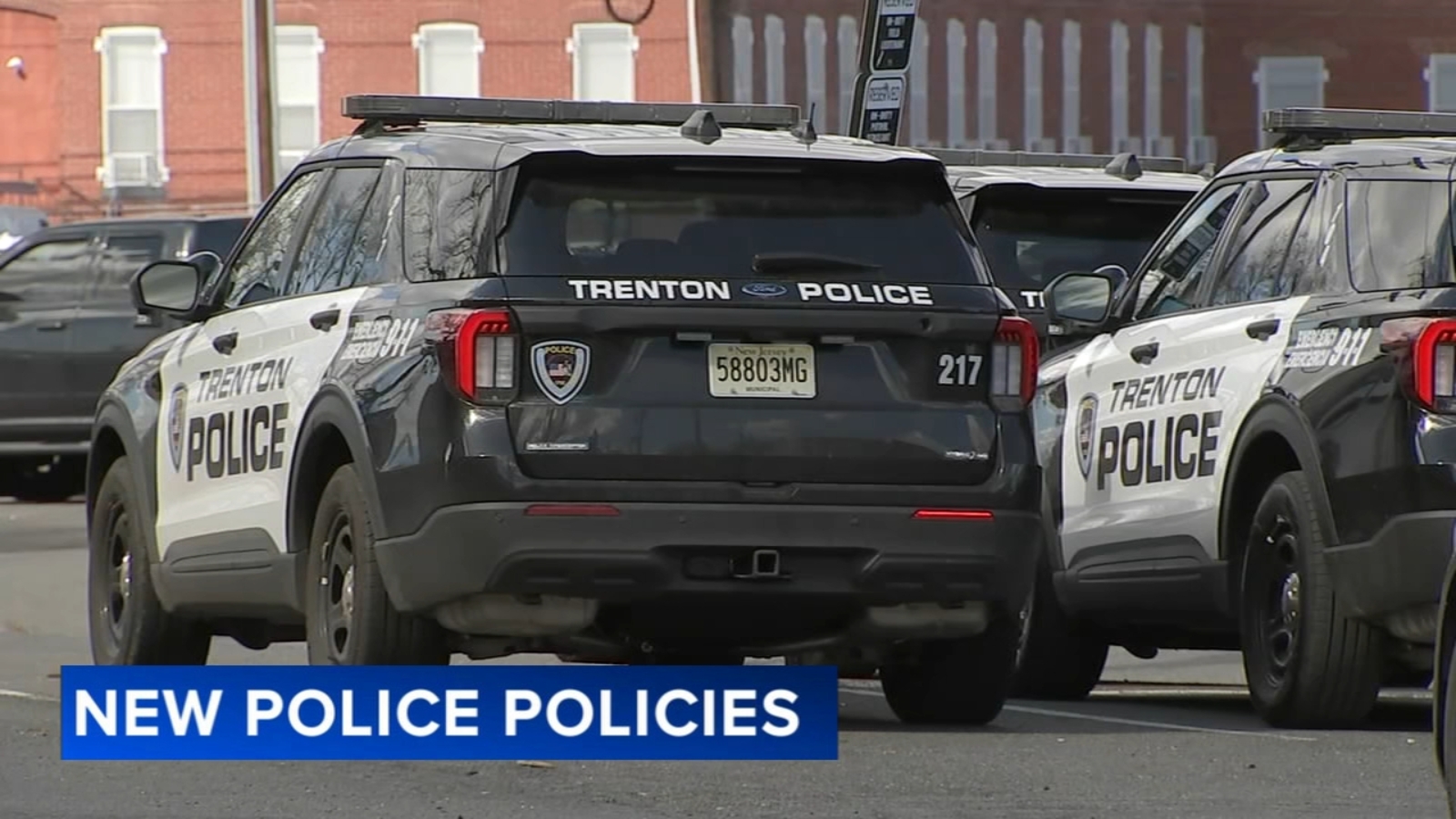
In a significant move toward trenton police reform, city officials have unveiled a series of sweeping changes to the Trenton, New Jersey Police Department following a deeply critical Department of Justice report that exposed a pattern of civil rights violations within the agency. The reforms, announced jointly by Police Director Steve Wilson and Mayor Reed Gusciora, represent one of the most substantial police accountability overhauls in the city’s recent history, addressing concerns about excessive use of force, unconstitutional stops, and systemic cultural problems.
The DOJ Report: A Wake-Up Call for Trenton
The catalyst for these reforms was a scathing DOJ report Trenton police investigation released in the fall of 2023. Federal investigators uncovered a troubling pattern of civil rights violations police practices within the department, including documented instances of excessive use of force against residents and unconstitutional policing practices during stops and searches.
One of the most disturbing cases highlighted in the report involved the death of a 64-year-old man who died after being pepper-sprayed by a Trenton police officer. This incident, among others, helped illustrate the urgent need for comprehensive police department reform initiatives that go beyond superficial changes.
Community-Centered Policing Philosophy
“The police department is not separate from the community,” Police Director Wilson emphasized during the announcement. “The police department is part of the community.” This statement reflects a fundamental shift in approach, aligning with modern community policing principles that emphasize partnership between law enforcement and the citizens they serve.
Major Reform Initiatives Already Underway
According to Wilson, the department has implemented more than 20 reform initiatives, some of which were introduced even before the DOJ findings were officially released. These reforms represent a multi-faceted approach to transforming the department’s culture and operational practices.
Dissolution of Problematic Specialized Units
Among the most significant structural changes was the disbanding of two specialized units that came under particular scrutiny in the federal investigation:
- The Violent Crimes Unit – Targeted for reform due to patterns of aggressive enforcement
- The Street Crimes Unit – Criticized for practices that disproportionately impacted minority communities
This decision to eliminate these units rather than simply retrain them demonstrates the department’s willingness to make bold structural changes rather than relying solely on police training de-escalation programs.
Comprehensive Officer Training Programs
Officers across the department have participated in enhanced education programs covering several critical areas:
- Diversity, equity, and inclusion (DEI) training
- Sensitivity and implicit bias awareness
- De-escalation techniques and crisis intervention
- Constitutional policing practices
These training initiatives aim to equip officers with the tools they need to interact with community members in ways that respect civil rights while maintaining public safety.
Building Bridges: New Public Engagement Forums
One of the most anticipated reforms is the introduction of monthly public forums beginning in April. Mayor Gusciora announced that these gatherings will allow citizens to directly voice their concerns to appropriate city department directors, creating a more accessible channel for community feedback than the traditional city council meetings.
Direct Accountability to Residents
“Citizens can directly voice their concerns to the appropriate city department directors. Right now our directors all appear before council. Now our directors will appear before the public,” Mayor Gusciora explained. This shift represents a significant step toward enhanced police accountability and transparent governance.
Pursuing Professional Standards Through Accreditation
The Trenton Police Department is actively working toward achieving formal police accreditation, a process that requires agencies to meet rigorous law enforcement standards established by professional credentialing bodies. Accreditation involves comprehensive review of policies, procedures, training programs, and operational practices.
This pursuit of accreditation serves as both a benchmark and a roadmap for sustained improvement, providing the department with a structured framework for continuing to evolve its practices and maintain compliance with national best practices in law enforcement.
The Push for Personnel Expansion and Competitive Compensation
Recognizing that reform efforts require adequate staffing to be successful, department officials announced an ambitious recruitment initiative aimed at bringing 30 new officers into the police academy this spring. However, attracting qualified candidates in today’s competitive law enforcement market requires competitive compensation.
Salary Negotiations Underway
City officials confirmed they are currently in negotiations to increase officer salaries to levels competitive with police departments in surrounding suburban communities. This move acknowledges a longstanding challenge: when neighboring departments offer significantly higher pay packages, municipal departments like Trenton’s struggle to attract and retain top talent.
Critics Say the Reforms Don’t Go Far Enough
Despite the comprehensive nature of the announced changes, not everyone is convinced that these reforms will produce meaningful change. The Trenton NAACP, in particular, has been vocal in expressing skepticism about the department’s direction.
NAACP Calls for Systemic Overhaul
Austin Edwards, president of the Trenton NAACP, has been one of the most prominent voices calling for more fundamental changes to the department. His organization has specifically demanded that Director Wilson resign from his position.
“I don’t think the answer is solely more training. We’ve done that in New Jersey for years and we’ve seen that it doesn’t work,” Edwards stated. His critique reflects a broader concern shared by police reform advocates: that training alone cannot fix deeply embedded cultural problems within law enforcement agencies.
Demands for Cultural Transformation
The NAACP’s position goes beyond surface-level reforms. Edwards articulated the organization’s vision for comprehensive change: “What we need is an overhaul of the entire police department from the internal investigations, from our leadership, from the entire culture.”
This call for police culture change addresses several interconnected issues:
- Internal accountability mechanisms and investigation processes
- Leadership transitions and new command structures
- Fundamental organizational values and norms
- Hiring and promotion practices
- Disciplinary procedures and transparency
The Path Forward for Trenton Police Reform
The announcements represent a critical juncture for Trenton NJ police reform efforts. The combination of structural changes, training programs, community engagement initiatives, and pursuit of accreditation demonstrates a multi-pronged approach that addresses different aspects of the problems identified in the DOJ report.
However, the response from community advocates like the NAACP highlights an important reality: meaningful constitutional policing reform often requires sustained commitment over years rather than months. The success of these initiatives will ultimately be measured not by announcements but by tangible improvements in how officers interact with community members, reductions in use-of-force incidents, and increased public trust.
Federal Oversight and Monitoring
Action News reached out to the DOJ for comment on the announced changes but did not receive a response before publication. The lack of immediate federal comment leaves questions about whether the department will face additional oversight measures, consent decrees, or other formal accountability mechanisms as it implements these reforms.
Conclusion: A Critical Moment for Accountability
The reforms announced in Trenton represent both promise and challenge. On one hand, the willingness to disband troubled units, pursue accreditation, engage directly with the public, and recruit new officers demonstrates genuine commitment to change. On the other hand, the skepticism from community advocates serves as an important reminder that announcements alone don’t rebuild trust or transform cultures overnight.
As Trenton moves forward with these trenton police reform initiatives, the true test will be in their implementation and measurable outcomes. Residents, advocacy groups, and federal observers will be watching closely to see whether these changes translate into meaningful improvements in policing practices, stronger community relationships, and a department that truly serves all members of the Trenton community with fairness and respect. The journey toward genuine police accountability is rarely quick or easy, but the steps taken today may well determine whether Trenton’s police department emerges as a model for reform or becomes another cautionary tale about the limits of institutional change without sustained pressure from both inside and outside the agency.