
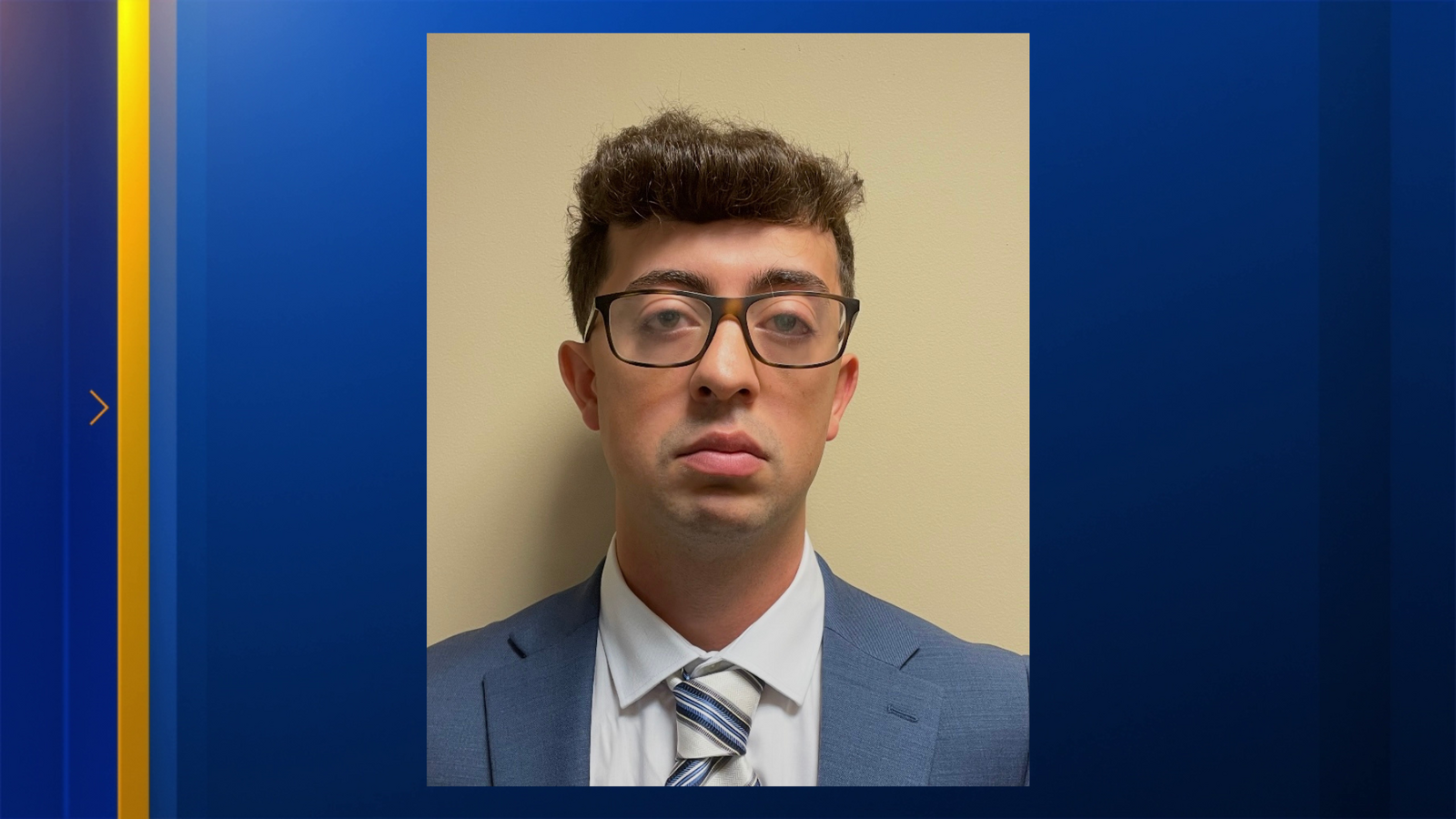
The unfolding penn state cocaine trafficking case has gripped public attention, particularly concerning the legal battles of those accused of orchestrating one of the most significant alleged drug operations tied to a major American university. Among the defendants seeking relief from pretrial detention is Agostino Abbatiello, 24, identified by investigators as one of the two main suppliers in a sprawling conspiracy that authorities say funneled substantial quantities of cocaine into the State College campus community.
Abbatiello’s attorney has filed an emergency motion requesting that his client be released on his own recognizance, arguing that the circumstances surrounding his pretrial detention are fundamentally unjust when compared to the treatment of a co-defendant in the same case. The motion has prompted a scheduled bail hearing in Centre County, where a presiding judge has agreed to weigh the request.
The Core of the Bail Dispute
The crux of Abbatiello’s legal argument centers on what his attorney characterizes as a glaring inconsistency in how Magisterial District Judge Kelley Gillette-Walker handled the bail hearings for the alleged ringleaders. While Abbatiello has remained incarcerated since his arrest in August, Thomas Robinson,another individual prosecutors identify as a primary supplier,was granted bail of $150,000 monetary.
According to the emergency motion, Robinson’s release came despite what Abbatiello’s attorney describes as deeply troubling aggravating factors. These included Robinson’s alleged resistance to being detained, the presence of a loaded 9mm handgun in his vehicle, threats against law enforcement, and the discovery of a handgun stored in proximity to cocaine and other drugs within a safe. Robinson is also alleged to have sold cocaine on five separate occasions to confidential informants working with investigators.
The defense’s filing raises pointed questions about why Robinson, facing what appear to be more serious risk factors, was deemed eligible for bail while Abbatiello remained behind bars awaiting trial. This disparity has become the focal point of a heated legal debate that could have broader implications for how the remaining defendants are treated in the judicial process.
Background of the Investigation
The charges against Abbatiello and Robinson stem from a sweeping investigation that ultimately resulted in more than a dozen individuals being charged in connection with the alleged penn state cocaine trafficking network. According to the Pennsylvania Attorney General’s Office, the operation involved not only current and former Penn State students but also at least one parent of a student and was closely intertwined with two prominent campus fraternities.
Investigators allege that the criminal enterprise relied on a steady supply chain stretching from major metropolitan areas into the heart of central Pennsylvania. Both Abbatiello and Robinson are accused of making regular trips to Philadelphia and New York to acquire large quantities of cocaine, which would then be transported back to State College for processing and distribution.
The Role of Fraternity Houses
Perhaps one of the most troubling aspects of the case, at least from the perspective of university administrators and parents, is the allegation that two Penn State fraternity houses played central roles in the alleged drug distribution network. Specifically, investigators claim that the Delta Upsilon and Sigma Chi chapter houses served as primary locations where cocaine was cut, weighed, and packaged for sale.
The use of fraternity houses as operational hubs allegedly transformed these typically social spaces into distribution centers for what authorities describe as a significant narcotics operation. Much of the resulting product was then allegedly distributed to Penn State University students, ranging from undergraduates to graduate-level attendees, according to prosecutors.
The Broader Implications for Penn State
The penn state cocaine trafficking allegations have sent shockwaves through the university community, prompting questions about oversight, drug prevention efforts, and the culture within Greek life at one of the nation’s largest public universities. The case has also drawn national attention as a cautionary tale about how drug distribution networks can become deeply embedded in college environments, particularly when social organizations with significant autonomy operate with minimal external scrutiny.
Penn State University officials have faced difficult questions about what they knew and when, and whether existing safeguards were sufficient to detect the alleged activities. While the investigation was led by state authorities rather than campus police, the fact that fraternity houses were reportedly central to the operation has raised concerns about the broader Greek life infrastructure and its vulnerability to criminal exploitation.
Charges and Potential Penalties
Abbatiello faces multiple counts of possession with intent to deliver, along with conspiracy charges,some of the most serious offenses under Pennsylvania’s controlled substances laws. Depending on the quantity of cocaine attributed to him and the specific circumstances of the alleged conduct, conviction could result in years of state prison time, substantial fines, and a permanent felony record that would alter the trajectory of his life.
For prosecutors, building a successful case against the alleged ringleaders will require demonstrating not only that the defendants possessed and distributed controlled substances but also that they did so as part of a coordinated criminal enterprise. Conspiracy charges in particular often rely heavily on communication records, financial transactions, surveillance evidence, and testimony from cooperating witnesses or confidential informants.
The Defense’s Strategy Moving Forward
By filing the emergency motion and pursuing a bail hearing, Abbatiello’s legal team has signaled that pretrial release is a top priority. Defense attorneys often argue that extended pretrial detention can compromise a defendant’s ability to prepare a defense, maintain employment, and support family obligations,though courts must balance these considerations against the risk of flight and the danger the defendant might pose to the community.
The comparison to Robinson’s treatment is a particularly interesting legal maneuver. In many jurisdictions, defendants who receive less favorable treatment than similarly situated co-defendants can raise equal protection or due process arguments. While bail decisions are typically left to the discretion of individual judges, dramatic disparities between co-defendants facing similar charges can sometimes prompt appellate review.
What Comes Next
The Centre County hearing will provide an opportunity for both prosecution and defense to present evidence and arguments regarding Abbatiello’s flight risk, his potential danger to the community, and the strength of the evidence against him. The judge overseeing the broader case will need to weigh these factors carefully, particularly given the serious nature of the allegations and the fact that Abbatiello is identified as one of the two principal suppliers.
Regardless of the outcome, the case continues to evolve as additional defendants navigate their own legal proceedings. Some of the fourteen individuals charged have reportedly cooperated with investigators, while others are pursuing vigorous defense strategies. The intertwined nature of the alleged conspiracy means that testimony and plea negotiations from one defendant can have ripple effects across the entire case.
A Case That Reflects Larger Trends
The penn state cocaine trafficking case fits within a broader national pattern of large-scale drug distribution investigations targeting college campuses. Universities, with their dense populations of young adults, predictable party schedules, and substantial disposable income, have long been viewed as lucrative markets by drug traffickers. The challenge for law enforcement lies in infiltrating networks that often operate behind closed doors, within the protected spaces of private residences and Greek organizations.
What distinguishes this particular case is the alleged scale of the operation and the prominent role attributed to fraternity houses. By allegedly using these locations as processing and packaging centers, the accused are said to have created a distribution infrastructure with remarkable reach across the Penn State campus. The investigation’s success in identifying and charging more than a dozen individuals suggests that confidential informants, surveillance, and possibly digital evidence played substantial roles in building the prosecution’s case.
Community Response and Ongoing Concerns
Within State College and the broader Penn State community, reactions to the case have ranged from concern to disbelief. Parents of current students have expressed alarm at the scope of the alleged operation, while many students have grappled with the reality that trusted campus institutions may have been compromised. University administrators have reportedly increased outreach efforts around substance abuse prevention and have revisited policies governing Greek life activities on and off campus.
The legal proceedings ahead will likely take months, if not years, to fully resolve. Each defendant’s path through the criminal justice system may differ based on their alleged role, the strength of evidence against them, and their willingness to cooperate with prosecutors. For Abbatiello, the immediate priority remains securing release from detention while his defense team prepares for what promises to be a challenging fight against serious narcotics conspiracy charges.
Conclusion
The ongoing penn state cocaine trafficking case represents one of the most significant drug distribution investigations tied to an American university in recent memory. With Agostino Abbatiello now actively pursuing pretrial release through a bail hearing in Centre County, attention has shifted to questions about judicial consistency and the rights of defendants awaiting trial. As the legal process unfolds, the case will continue to serve as a sobering reminder of how criminal enterprises can take root within seemingly ordinary campus environments,and how the justice system responds to such allegations will shape the lives of everyone involved for years to come.