
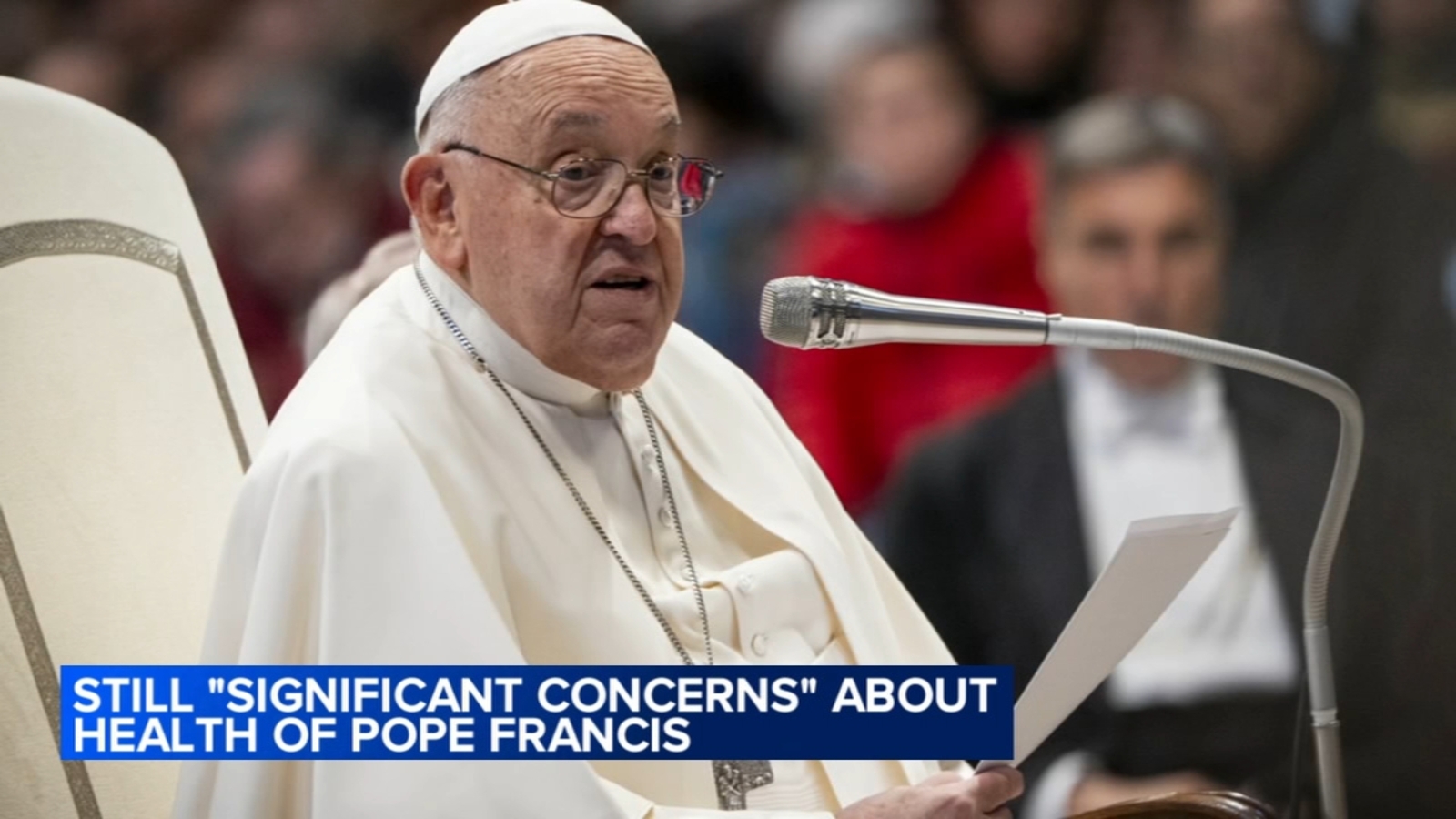
The latest updates on Pope Francis health indicate that the 88-year-old pontiff is in a stable condition following a concerning respiratory episode. After suffering an isolated bronchospasm attack on Friday that reportedly caused vomiting and inhalation, the Vatican has confirmed that the Pope is now receiving non-invasive mechanical ventilation alongside high-flow oxygen therapy. As Catholics and observers around the world hold their breath awaiting further news, the Holy See has shared reassuring yet cautious updates about the pontiff’s recovery.
Background: Pope Francis’s Ongoing Hospitalization
Pope Francis has been hospitalized in Rome since February 14, and his medical journey has captured global attention. The pontiff was initially admitted for treatment of a complex respiratory infection, and medical teams later confirmed a diagnosis of bilateral pneumonia. Given his advanced age and pre-existing health concerns, including a history of respiratory issues and previous partial lung removal, the situation has been closely monitored by Vatican officials and medical experts alike.
The hospitalization has disrupted the Pope’s typical schedule, including his weekly audiences and public appearances. Yet through it all, Vatican communications have strived to keep the world’s 1.3 billion Catholics informed about the state of Pope Francis health, with daily updates becoming the norm since his admission.
The Friday Bronchospasm Incident
What Happened During the Attack
On Friday, the Vatican reported an alarming development: Pope Francis suffered what officials described as an “isolated attack of bronchospasm.” A bronchospasm occurs when the muscles surrounding the airways tighten suddenly, causing significant difficulty in breathing, wheezing, and coughing. For a patient already weakened by pneumonia, this kind of episode can be particularly dangerous.
The bronchospasm reportedly triggered vomiting with inhalation, meaning some material entered the Pope’s airways during the episode. This added a serious complication, as aspiration can introduce harmful substances into the lungs and potentially worsen respiratory infections.
Immediate Medical Response
Medical personnel responded swiftly, performing a procedure known as broncho aspiration to clear the Pope’s airways. Following this intervention, the medical team placed Pope Francis on non-invasive mechanical ventilation to support his breathing. This type of ventilation typically involves a mask or similar interface rather than an invasive breathing tube, making it a less intensive but still significant form of respiratory support.
Current Treatment and Condition
Respiratory Support Measures
As of the most recent Vatican statements, Pope Francis continues to receive two key forms of respiratory assistance:
- Non-invasive mechanical ventilation – A breathing support system that helps deliver oxygen and maintain proper airflow without requiring intubation
- High-flow oxygen therapy – A treatment that delivers warmed, humidified oxygen at higher rates than standard oxygen therapy
These combined treatments aim to ensure adequate oxygen levels while reducing the work of breathing for the Pope, whose lungs have been compromised by pneumonia.
Encouraging Signs
Despite the severity of Friday’s bronchospasm episode, there are several positive indicators in the most recent Vatican update. Pope Francis does not have a fever, which is significant because fever often signals ongoing infection or inflammation. Additionally, his white blood cell count remains within normal parameters, suggesting that his body is not fighting an overwhelming new infection at this moment.
Importantly, since the Friday attack, there have been no further episodes of bronchospasm, indicating that the immediate crisis may have been contained. Vatican officials described the night as peaceful, with the Pope resting comfortably.
The Pope’s Spirit and Daily Routine
Beyond the medical updates, perhaps one of the most touching aspects of the recent news is the report of Pope Francis’s mental and spiritual state. Despite his health challenges, the pontiff remains alert and oriented. He continues to receive the Eucharist and dedicates time to prayer, demonstrating remarkable resilience and spiritual fortitude during this difficult period.
This continuation of his spiritual practices offers reassurance not only to Catholics who look to him as their spiritual leader but also to medical professionals monitoring his overall wellbeing. A positive mental and emotional state often plays a supportive role in physical recovery, particularly for elderly patients.
Prognosis and Medical Outlook
Uncertain but Watchful
The Vatican has been transparent about the uncertainty surrounding Pope Francis’s prognosis. Officials have stated that it will take 24 to 48 hours to fully assess the impact of Friday’s bronchospasm episode and determine whether it has negatively affected his general condition. This cautious timeline reflects the complexity of his situation and the need for careful medical evaluation.
His prognosis, according to the Vatican, “remains uncertain.” While this language may sound concerning, it is also standard medical practice when dealing with pneumonia and respiratory complications in elderly patients. Recovery from such conditions often follows an unpredictable trajectory, with periods of improvement interspersed with setbacks.
Factors Being Monitored
Medical teams are likely watching several key indicators as they evaluate the Pope’s recovery:
- Oxygen saturation levels – Ensuring adequate oxygen is reaching his bloodstream
- Signs of further respiratory distress – Monitoring for additional bronchospasm episodes or breathing difficulties
- Infection markers – Tracking fever, white blood cell count, and other indicators of pneumonia progression
- Overall organ function – Ensuring that other bodily systems remain stable
Implications for the Catholic Church
Pope Francis has led the Catholic Church since 2013, and his tenure has been marked by significant reforms and a focus on mercy, social justice, and outreach to marginalized communities. His current health situation raises natural questions about church leadership during his recovery, though the Vatican has well-established protocols for such circumstances.
Throughout his hospitalization, the Pope has continued to demonstrate his characteristic warmth and concern for others, reportedly expressing gratitude for the prayers and well-wishes he has received from around the world. This connection with the faithful has provided comfort to many during an anxious time.
Global Response and Prayers
News of Pope Francis’s bronchospasm episode and ongoing treatment has prompted an outpouring of prayers and messages of support from Catholics and non-Catholics alike. Religious gatherings have included special intentions for the Pope’s recovery, and social media has been filled with expressions of solidarity.
This global response underscores the Pope’s significant role not only as a religious leader but as a moral and humanitarian voice on the world stage. His work on issues ranging from climate change to interfaith dialogue to economic inequality has earned him admirers across religious and political divides.
Conclusion
The latest updates on Pope Francis health paint a picture of cautious optimism amid continued uncertainty. While the bronchospasm attack and subsequent vomiting with inhalation represented serious complications, the absence of fever, normal white blood cell count, and lack of further respiratory episodes provide reasons for measured hope. The Pope’s continued alertness and engagement with his spiritual practices demonstrate remarkable resilience.
As the Vatican and medical teams in Rome continue to monitor the pontiff’s condition over the next critical 24 to 48 hours, the world watches and prays. The Catholic Church and its faithful remain hopeful for a full recovery, while also preparing for the realities of a 88-year-old leader battling pneumonia and its complications. Regardless of the outcome, Pope Francis’s enduring spirit and the global response to his illness stand as a testament to the profound impact he has had during his more than decade-long papacy.