
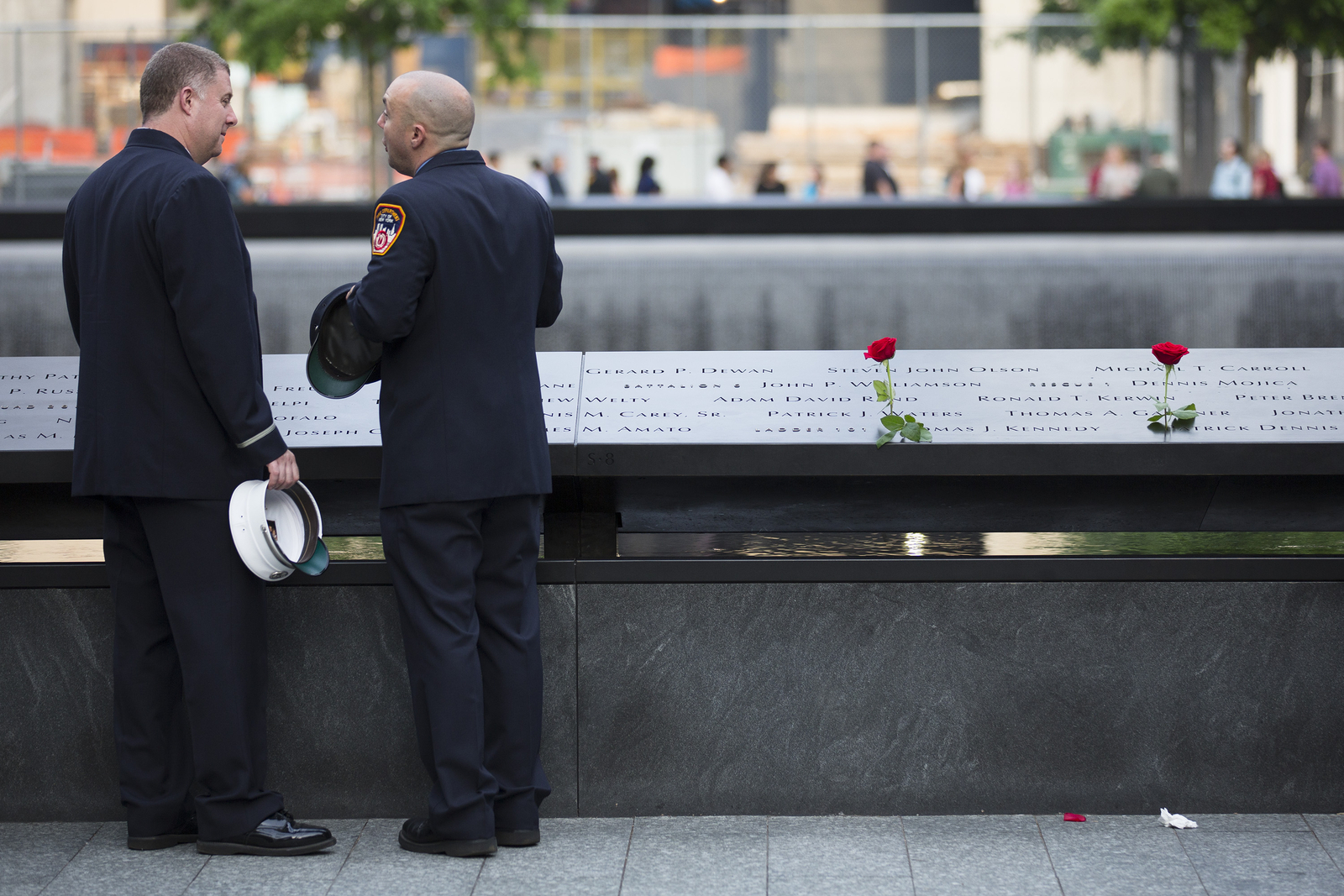
As America approaches the 25th anniversary of the September 11, 2001 terrorist attacks, the FDNY has released a sobering report detailing the devastating FDNY 9/11 health effects on the firefighters, paramedics, and emergency medical technicians who risked everything at Ground Zero. The landmark findings reveal that the death toll from 9/11-related illnesses has now surpassed the number of people killed on the day of the attacks themselves , a staggering milestone that underscores the enduring sacrifice of America’s first responders.
The 25-Year Report: Scope and Significance
The comprehensive report, produced by the FDNY World Trade Center Health Program, draws on more than two decades of medical monitoring, clinical research, and health tracking. It examines the long-term well-being of firefighters, EMS personnel, officers, civilian employees, and retirees who took part in the rescue and recovery operations at the World Trade Center site.
On the morning of September 11, 2001, 343 members of the FDNY lost their lives while heroically helping to evacuate approximately 30,000 people from the Twin Towers. In the weeks that followed, thousands of first responders continued working amid the smoldering wreckage, breathing in a toxic cocktail of pulverized concrete, asbestos, jet fuel residue, heavy metals, and a host of other hazardous chemicals released when the towers collapsed.
The Human Cost: By the Numbers
The latest data from the World Trade Center Health Program paints a grim picture of the lasting consequences of that exposure. According to the report, more than 9,000 people have died from illnesses linked to the attacks and their aftermath, including 600 firefighters. This figure now exceeds the total number of individuals killed on September 11, 2001, marking a tragic turning point in the long history of 9/11’s impact.
Fire Commissioner Lillian Bonsignore emphasized the breadth of the toll, noting that more than 12,000 FDNY members have been certified as having at least one World Trade Center-related condition. Among those certified, more than one in ten have died , a mortality rate that continues to climb as latent illnesses emerge decades after exposure.
Cancer Diagnoses Among FDNY Members
Perhaps the most alarming statistic: nearly a quarter of all 12,000 certified FDNY members have been diagnosed with cancer. FDNY Chief Medical Officer Dr. David Prezant, who was personally present at Ground Zero on the morning of the attacks, broke down the most prevalent cancer diagnoses:
- Prostate cancer: Over 1,000 cases , by far the most common diagnosis
- Hematologic cancers (including lymphoma and leukemia): Nearly 300 cases
- Melanoma: 221 cases , a particularly aggressive form of skin cancer
- Thyroid cancer: More than 100 cases
These top five categories alone illustrate the sheer scale of the WTC-related cancer burden. Beyond these, FDNY members continue to face elevated rates of respiratory disease, post-traumatic stress disorder, gastroesophageal reflux disease, and other chronic conditions tied to their time at Ground Zero.
The Toxic Legacy of Ground Zero
The health crisis facing FDNY members is a direct consequence of the unprecedented environmental exposure at the recovery site. For weeks following the collapse of the Twin Towers, firefighters and other rescue workers toiled in what was essentially a hazardous waste zone. The air was thick with particulate matter, including microscopic shards of fiberglass, lead, mercury, cadmium, polycyclic aromatic hydrocarbons, and benzene , many of which are known or suspected carcinogens.
Researchers have linked this toxic exposure to a wide array of 9/11 health effects, ranging from chronic obstructive pulmonary disease (COPD) and asthma to numerous cancers and mental health conditions. Even responders who wore protective equipment during the initial rescue operations faced prolonged exposure during the months-long cleanup and recovery effort.
A Silver Lining: Early Detection Saves Lives
Despite the heartbreaking statistics, the report highlights an important and encouraging development: aggressive medical monitoring has led to earlier diagnoses and improved survival rates. Dr. Prezant stressed this point during the report’s release, noting that when conditions are caught early through proactive screening, treatment outcomes are significantly better.
“These treatments result in lives saved,” Dr. Prezant explained. “Aggressive monitoring leads to self-diagnosis, which leads to early treatment, which leads to increased survival rates.” This proactive approach represents one of the most important lessons learned over the past two and a half decades , not only for 9/11 responders but for occupational health programs more broadly.
The emphasis on early detection has helped save countless lives, demonstrating that while the toxic exposure cannot be undone, the health consequences can be managed and mitigated when caught in time.
The World Trade Center Health Program
The federally funded World Trade Center Health Program plays a critical role in safeguarding the health of 9/11 first responders. Established by Congress and administered through the National Institute for Occupational Safety and Health (NIOSH), the program provides free, comprehensive health care to registered FDNY members and other eligible responders and survivors.
This program covers medical monitoring, diagnostic testing, treatment services, and mental health support , all at no cost to participants. It also funds ongoing research into the long-term effects of WTC exposure, ensuring that the medical community continues to learn from the experiences of those who served at Ground Zero. The program’s existence reflects a national commitment to honoring the sacrifices of first responders long after the cameras stopped rolling.
Looking Ahead: The 25th Anniversary Commemoration
As New York City prepares to mark the 25th anniversary of the attacks later this month, the FDNY report adds an emotional and urgent dimension to the occasion. Organizers of the annual 9/11 Memorial & Museum ceremony recently announced a new seventh moment of silence that will become a permanent part of the commemoration , a recognition that the tragedy continues to unfold in the form of ongoing illness and death among those who survived the day itself.
Families of victims will gather at the 9/11 Memorial Plaza on September 11 to read the names of the 2,983 people killed in the 2001 attacks and the 1993 World Trade Center bombing. But this year, those names will be read with an even deeper awareness that the list of lives lost to 9/11 continues to grow.
Conclusion
The FDNY’s 25-year report is far more than a collection of statistics , it is a testament to the extraordinary courage and ongoing suffering of the heroes who ran toward danger when the world was falling apart around them. The devastating FDNY 9/11 health effects documented in the report serve as a permanent reminder that the cost of the attacks extends far beyond a single day. With more than 12,000 certified members suffering from WTC-related conditions and cancer rates climbing steadily, the nation must continue to honor its commitment to caring for those who answered the call on September 11, 2001. Their sacrifice did not end when the fires were extinguished , it continues to this day, and our responsibility to them must endure just as long.