
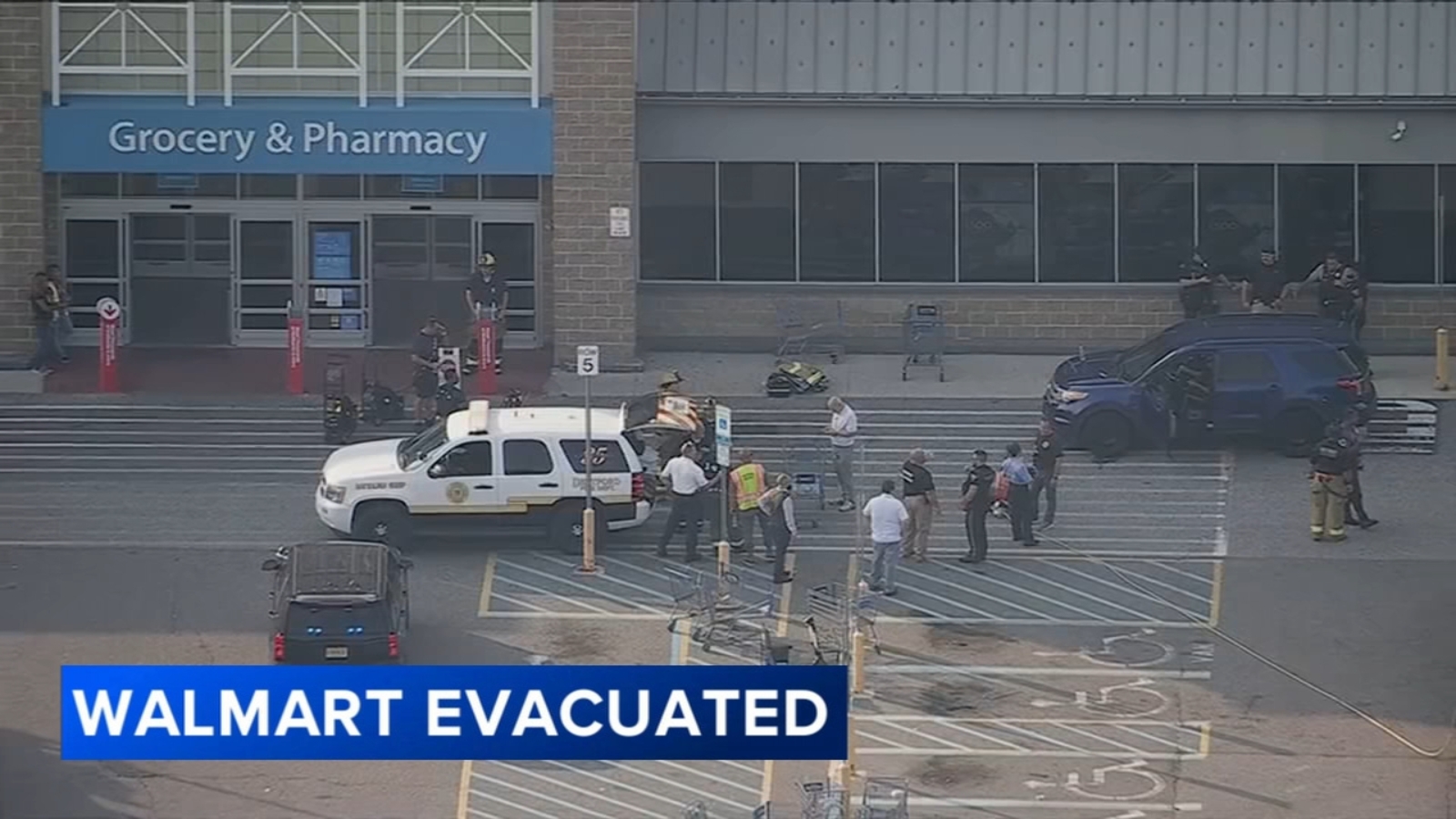
More than a dozen shoppers and employees were rushed to local hospitals on Tuesday afternoon following a sudden Walmart fumes evacuation at the Cooper Street location in Deptford Township, New Jersey. The incident, which unfolded around 4:15 p.m., triggered a multi-agency emergency response and left investigators working into the night to determine what caused an unknown irritant to spread through the retail giant’s aisles.
Nineteen individuals were ultimately transported for medical evaluation after reporting respiratory discomfort, coughing fits, dizziness, and other troubling symptoms. The event serves as a stark reminder of how quickly an ordinary shopping trip can turn into a public health concern, and it raises important questions about indoor air quality, emergency preparedness, and consumer safety in large retail environments.
What Happened During the Walmart Fumes Evacuation
The situation began unfolding when multiple shoppers and Walmart associates dialed 911 from inside the store, alerting dispatchers to a strange airborne irritant that was causing breathing difficulties. Within minutes of the calls, fire crews, hazmat specialists, and emergency medical technicians descended on the property.
The First Responder Response
Andrew Halter, the chief of hazmat for the Gloucester County Emergency Response team, described the scene as chaotic from the moment his crews arrived. Almost two dozen people were already streaming out of the building, coughing and visibly distressed by an unknown substance in the air.
“When fire personnel pulled up on the scene, they were met by a large number of people – two dozen almost – coming out coughing and just being irritated by something,” Halter explained to local media.
First responders immediately made the call to evacuate the entire building, a decision that likely prevented additional exposures. Nineteen people were transported to area hospitals for medical evaluation. Most cases, according to Halter, were considered minor, though the symptoms reported were nonetheless alarming.
Eyewitness Accounts from Inside the Store
Among those affected was Jeffrey Jones, a local father who had been visiting the Walmart with his two sons. The family had been inside the store’s barber shop when they began noticing something was wrong.
“There was nothing to indicate there was in the air,” Jones recalled. “We simply felt it in our throats.”
He reported that a noticeable number of customers around them had begun coughing before he and his sons started experiencing similar symptoms. Once the trio exited the building, more serious symptoms emerged. One of his sons became dizzy. Two of the three family members felt nauseous. The other son reported a headache along with a tingling sensation in his tongue.
Despite the frightening experience, Jones said all three were discharged from the hospital within a few hours and that their conditions have continued to improve. Still, he voiced a concern shared by many parents: not knowing exactly what made his family sick.
“My biggest concern, as a father, isn’t so much about myself. We just want to ensure that whatever it was is found out,” he said.
The Ongoing Investigation
One of the most unsettling aspects of the Walmart fumes evacuation is that, as of reporting, investigators have yet to identify the source of the irritant. Multiple agencies are now collaborating to piece together what happened.
What Hazmat Teams Found (and Didn’t Find)
Fire crews and hazmat specialists spent hours methodically sweeping the Walmart interior, working alongside Walmart facilities personnel. Despite their efforts, no immediate hazards were detected. Air quality monitoring did not flag any immediately identifiable toxic substance, which only deepens the mystery surrounding the incident.
Once the building was cleared and deemed safe for re-entry, Walmart employees were instructed to perform a thorough deep clean of the entire facility before reopening to the public at 6 a.m. on Wednesday morning.
The Role of Surveillance Footage
According to Halter, the investigation will involve several layers of inquiry. Local police have been tasked with reviewing surveillance footage from inside the store, hoping to catch any unusual activity that might explain how the irritant was introduced into the environment.
Facilities teams will also examine whether any mechanical or building systems – such as HVAC units, refrigeration lines, or cleaning chemical storage – could have malfunctioned or leaked. The full scope of the inquiry indicates that authorities are leaving no stone unturned.
Walmart’s Official Response
In a statement provided to local news outlets, Walmart emphasized its commitment to safety and expressed gratitude to the first responders who handled the situation.
“The safety of our associates and customers is a top priority. We’re thankful for the quick response of first responders and we are working with the fire department as they investigate,” a company spokesperson said.
Why Indoor Air Quality Incidents Like This Matter
Incidents like the Deptford Walmart fumes evacuation may sound isolated, but they are part of a broader pattern of indoor environmental emergencies that have occurred in retail stores, schools, offices, and public buildings across the country. Understanding why these events happen – and how to prevent them – is essential for both consumers and businesses.
Common Causes of Airborne Irritants in Retail Spaces
Large retail stores are complex environments where dozens of potential irritant sources coexist. Some of the most common culprits behind indoor air quality events include:
- Cleaning chemical reactions: When incompatible cleaning products are accidentally mixed, they can release chlorine gas, ammonia vapors, or other respiratory irritants.
- HVAC system malfunctions: Faulty heating, ventilation, or air conditioning systems can circulate mold spores, dust, or combustion byproducts throughout a building.
- Refrigerant leaks: Large retailers rely heavily on refrigeration for grocery sections, and a slow refrigerant leak can introduce chemical irritants into the air.
- Spilled or improperly stored products: Industrial-strength cleaners, pesticides, pool chemicals, or automotive fluids can off-gas if their containers are compromised.
- Malicious or accidental introduction: Surveillance review, as in this case, often addresses whether an irritant was deliberately or accidentally brought into the store by an individual.
Recognizing Symptoms of Chemical Exposure
One of the most important takeaways from this incident is the variety of symptoms people experienced. Shoppers inside the Deptford Walmart reported coughing, throat irritation, dizziness, nausea, headaches, and even tongue tingling. These symptoms are consistent with exposure to a wide range of airborne irritants, including:
- Volatile organic compounds (VOCs)
- Chlorine or ammonia-based gases
- Mold spores and microbial volatile organic compounds
- Particulate matter from combustion or mechanical failure
Anyone experiencing these symptoms in a commercial building should leave the area immediately and seek fresh air. Persistent or worsening symptoms warrant a trip to an emergency room, especially if breathing becomes difficult or consciousness is affected.
Consumer Safety Tips for Shopping in Large Retail Stores
While the vast majority of shopping trips end without incident, events like the Walmart fumes evacuation underscore the importance of staying alert to your surroundings. Here are a few practical safety tips every shopper should keep in mind.
Pay Attention to How You Feel
If you suddenly develop a burning sensation in your nose or throat, start coughing inexplicably, or feel lightheaded in a store, do not ignore the warning signs. Move toward an exit as quickly as possible and try to get fresh air. Reporting symptoms to store employees or calling 911 from outside the building can help protect other shoppers as well.
Know the Exits
Most people never think about emergency exits while running routine errands. Taking a moment to note the nearest exit when you enter a large retail store is a habit that can save valuable seconds in an emergency.
Keep Your Phone Accessible
Having your phone within reach allows you to call for help quickly, take photos or video of suspicious conditions, and stay in contact with family members during an evacuation.
Understand Your Rights as a Consumer
If you or a family member is injured or made ill at a retail establishment, you may be entitled to compensation for medical expenses, lost wages, and other damages. Documenting symptoms, medical treatment, and any conversations with store representatives can be valuable if a legal claim becomes necessary.
The Bigger Picture: Emergency Preparedness in Retail Environments
The Walmart fumes evacuation in Deptford highlights how crucial comprehensive emergency protocols are for retailers. From training employees to recognize early signs of airborne hazards to installing advanced air quality monitoring systems, retailers have a responsibility to create environments where shoppers can feel safe.
Modern indoor air quality sensors can detect hundreds of different compounds in real time, alerting facilities teams to potential issues long before customers begin experiencing symptoms. Combined with regular HVAC maintenance, proper chemical storage protocols, and clearly defined evacuation procedures, these technologies can dramatically reduce the likelihood of future incidents.
The Deptford Walmart reopened early Wednesday morning following a deep clean, but the investigation into what caused the mysterious fumes continues. Until that answer is found, shoppers and families like the Joneses are left grappling with an unsettling question: what exactly did they breathe in that afternoon?
Hopefully, the combined efforts of hazmat teams, law enforcement, and Walmart’s own facilities staff will yield answers soon. In the meantime, this incident serves as a powerful reminder that vigilance, quick action, and coordinated emergency response can prevent a frightening situation from becoming a tragedy.