
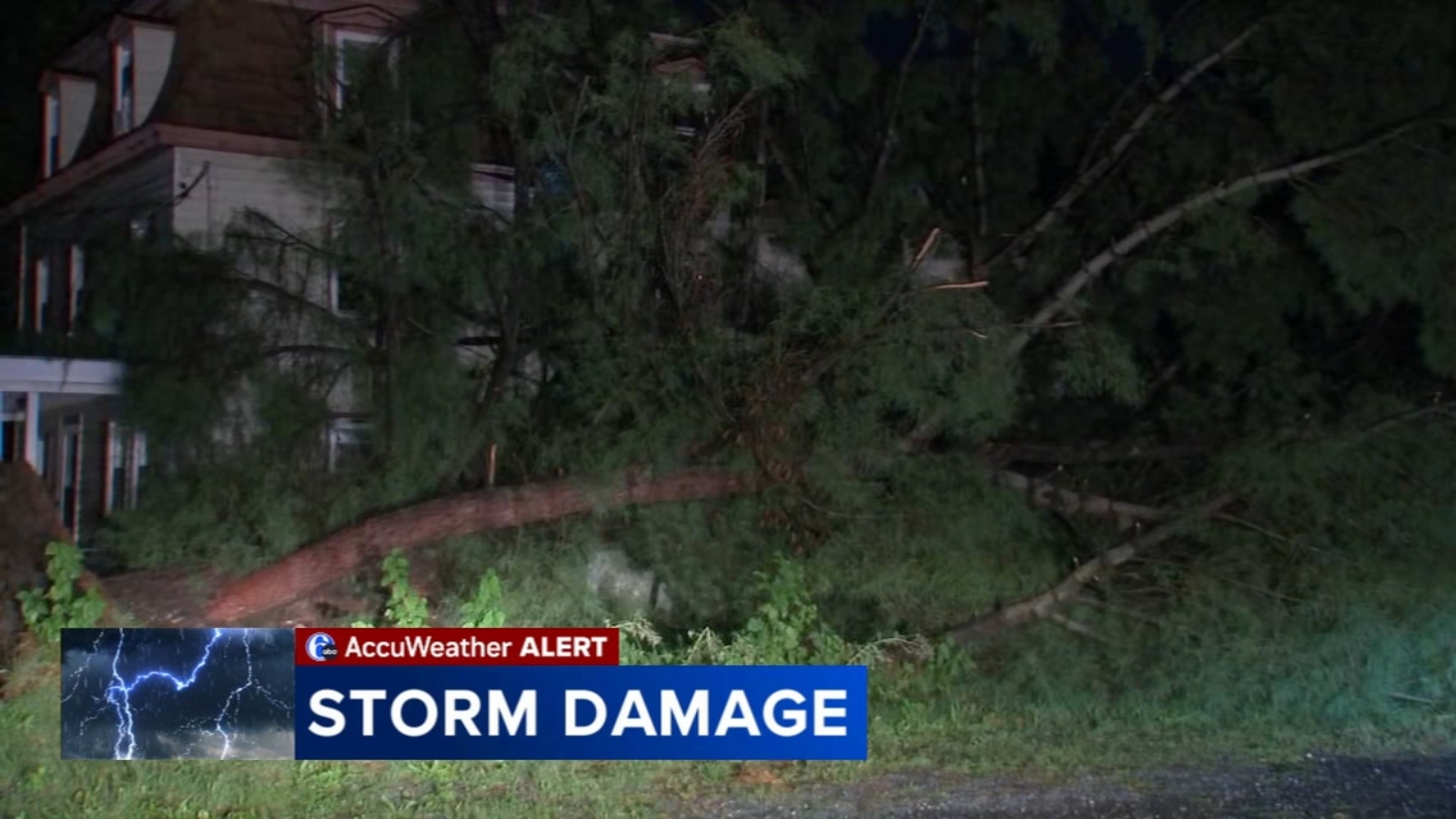
When severe storms rolled into the greater Philadelphia area Tuesday night, they unleashed a barrage of damaging winds, torrential rain, and lightning that left thousands of residents dealing with downed trees, power outages, and disrupted plans. From Wilmington, Delaware to the suburbs of South Jersey, communities faced the full force of an unpredictable weather system that even forced the evacuation of a major concert venue mid-show. The rapidly developing storms served as a stark reminder that summer weather in the Mid-Atlantic can turn dangerous in a matter of minutes.
The Storm’s Path of Destruction Across the Delaware Valley
The weather system that swept through the region packed a serious punch, producing wind gusts strong enough to topple mature trees and damage structures across multiple counties. Emergency management officials spent the overnight hours fielding calls about blocked roads, damaged homes, and compromised power lines as the storm carved its way through the Delaware Valley.
Wilmington Takes a Direct Hit
In Wilmington, Delaware, residents along Maryland Avenue woke up to scenes of destruction as several large trees came crashing down during the height of the storm. The falling trees blocked roadways and damaged property, creating hazardous conditions that required immediate attention from city crews. Neighborhood cleanup efforts stretched into the following day as residents worked alongside public works teams to clear debris and assess structural damage to homes and vehicles.
South Jersey Faces Widespread Damage
Perhaps nowhere felt the impact of the severe storms more acutely than Gloucester County, New Jersey, where emergency responders were stretched thin handling a wave of simultaneous incidents. County officials reported numerous calls about:
- Downed trees blocking streets and driveways
- Trees crashing into homes and outbuildings
- Power lines brought down by falling branches
- Significant power outages affecting thousands of households
- At least one structure reported to have collapsed
In Mantua Township, two residents found themselves in a terrifying situation when a large tree crashed into their home, briefly trapping them inside. First responders arrived quickly and worked to free the occupants, though details about their condition remained unclear in the immediate aftermath of the incident. Their narrow escape highlighted just how quickly a routine evening can turn dangerous when severe storms strike without warning.
Tornado Warning Sends Burlington County Residents Scrambling
Adding to the anxiety of the evening, the National Weather Service issued a tornado warning for portions of Burlington County around 9:20 p.m. The alert prompted residents in the warned areas to seek shelter immediately, abandoning evening plans and hunkering down in basements and interior rooms as a precaution. While no confirmed tornado touchdown was reported and no tornado-related damage was immediately identified, the warning itself reflected the serious nature of the storm cells moving through the region.
Meteorologists noted that the atmospheric conditions that night were primed for rotating storms, with warm, humid air at the surface meeting cooler, drier air aloft. This instability, combined with sufficient wind shear, created an environment where supercell thunderstorms could develop , and indeed did, though the worst-case scenario of a confirmed tornado appeared to spare the warned communities.
Bruno Mars Concert Evacuated Mid-Show
Even entertainment wasn’t immune from Mother Nature’s wrath. Thousands of fans who had gathered at the Wells Fargo Center in South Philadelphia for a Bruno Mars concert found their evening of music interrupted when venue officials made the decision to evacuate the arena as the severe storms approached. The precautionary evacuation reflected standard safety protocols at major venues, where lightning within a certain distance of the structure triggers immediate protective measures.
Concertgoers were directed to seek shelter in covered areas away from windows and exposed metal until the storm passed. The temporary halt was disruptive, but for many fans it became part of the night’s story , a shared experience of waiting out the weather before eventually being allowed back inside to resume the show. Social media quickly filled with photos and videos from attendees documenting both the evacuated crowds outside the venue and the dramatic skies that prompted the evacuation in the first place.
Cleanup Operations Continue Through the Night and Beyond
As Tuesday night gave way to Wednesday morning, the focus shifted from emergency response to the long, often grueling work of cleanup and recovery. Gloucester County officials urged residents to stay home if at all possible, allowing utility crews, arborists, and emergency personnel the space they needed to work efficiently and safely. Roads that had been blocked by fallen trees needed to be cleared, downed power lines had to be addressed before electricity could be restored, and damaged structures required assessment by qualified inspectors.
Utility companies dispatched additional crews from neighboring regions to help restore power to affected customers as quickly as possible. For some households, the outage lasted only a few hours; for others , particularly those whose homes had been directly struck by falling trees or where power lines had been severed , restoration took considerably longer.
Staying Safe When Severe Storms Strike
The events of Tuesday night offered important lessons for residents throughout the Mid-Atlantic about preparing for and responding to severe storms. Weather experts consistently recommend the following precautions:
- Monitor trusted weather sources , Keep a NOAA weather radio, local news app, or trusted weather service enabled on your phone, especially during warm-weather months when storms can develop rapidly.
- Have a shelter plan , Know where you’ll go if a tornado warning is issued. Interior rooms, basements, and windowless spaces offer the best protection.
- Trim trees proactively , Many of the storm’s worst impacts came from falling trees. Regular pruning and removal of dead limbs can reduce the risk to homes and power lines.
- Never approach downed power lines , Always assume a downed line is live and dangerous. Report it to your utility company or local emergency services immediately.
- Charge devices in advance , When severe weather is forecast, ensure phones, laptops, and backup batteries are fully charged in case of extended outages.
- Follow evacuation orders at venues , Whether at a concert, sporting event, or outdoor gathering, comply promptly with staff instructions when severe weather approaches.
A Region Bounces Back
While the severe storms left a clear mark on communities across the Philadelphia region, the response from residents, first responders, and utility crews demonstrated the resilience that defines the area. By Wednesday morning, neighbors were already helping neighbors clear debris, local businesses were checking on elderly customers, and community groups were organizing support for families whose homes had sustained significant damage.
Perhaps most importantly, no serious injuries had been reported as of Tuesday night , a small mercy that underscored the value of advance warning systems, emergency preparedness, and quick-thinking officials who made difficult calls to keep the public safe. From the tornado warning in Burlington County to the concert evacuation in South Philadelphia, decisions made in those tense moments likely prevented outcomes far worse than the property damage and inconvenience residents faced.
As the region continues its recovery and looks ahead to the remainder of the severe weather season, the events serve as a powerful reminder: respect the storm, prepare in advance, and look out for one another when the skies turn threatening. The Philadelphia area has weathered countless storms before, and with continued vigilance and community spirit, it will weather many more to come.