
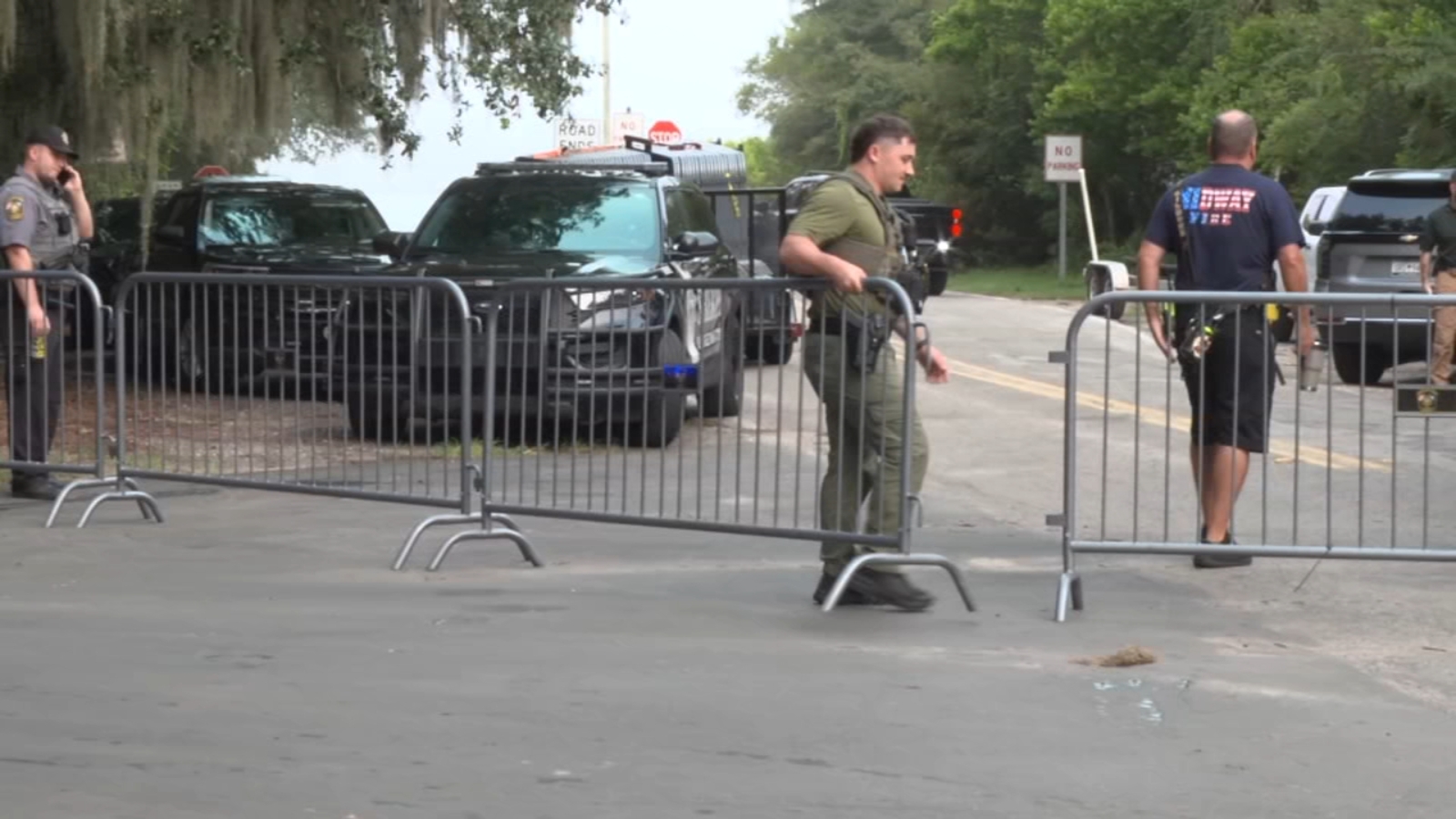
The saylor hayes disappearance in Pawleys Island, South Carolina, has become a devastating case involving the death of a vulnerable 5-year-old autistic child and serious allegations against her parents. According to the Georgetown County Sheriff’s Office, Saylor Hayes wandered away from a rental home on Sunday. An extensive search involving hundreds of people and multiple agencies followed. Her body was located the next day in nearby waters.
Her parents, John Herb Hayes III, 70, and Geordyn Nichole Hayes, 31, were arrested Tuesday in Carter County, Tennessee. They are charged with unlawfully placing a child at risk and willfully abandoning a child. Authorities said the couple is awaiting extradition to Georgetown County to face the allegations. The charges are accusations at this stage, and the investigation is continuing.
What Happened in the Saylor Hayes Disappearance?
Saylor Hayes was visiting South Carolina with her family from Bristol, Virginia, when she went missing from a rental property in Pawleys Island. The Georgetown County Sheriff’s Office reported that the child was known to have a history of elopement, meaning she had previously wandered away from safe surroundings.
Saylor was also described in arrest warrants as severely nonverbal and autistic. Investigators said she had a known affinity for water, a combination that created an especially urgent risk when she left the rental home. Search teams worked through the area for more than a day, using personnel from several agencies and hundreds of volunteers.
Tragically, authorities found Saylor’s body in water near the place where she had last been seen. The discovery ended the search but left investigators and community members searching for answers about the circumstances surrounding her disappearance.
A Timeline of the Search
- Sunday: Saylor Hayes was reported missing after wandering away from a rental home in Pawleys Island.
- Sunday evening: Searchers and multiple law-enforcement agencies began looking for the 5-year-old.
- Following day: Her body was found in nearby waters.
- Tuesday: Her parents were arrested in Carter County, Tennessee.
- Current status: The parents remain in custody while extradition proceedings are pending.
What Do the Arrest Warrants Allege?
The arrest warrants reportedly allege that the parents failed to provide appropriate supervision and safeguards for Saylor. Investigators focused on whether reasonable precautions were taken for a child who was nonverbal, autistic, prone to wandering, and drawn to water.
According to authorities, the warrants state that Saylor was placed at an unreasonable risk of harm by the lack of supervision and by the absence of safeguards appropriate for her needs. The warrants also allege that, after she was discovered missing, her parents encouraged searchers to focus on tracking technology even though they knew she was not wearing her monitoring device.
Investigators further allege that the parents directed search efforts away from a nearby body of water where Saylor had reportedly been left unsupervised. The Georgetown County Sheriff’s Office has not publicly characterized the allegations as established facts, and the parents are entitled to the legal presumption of innocence while the case proceeds.
The Charges Filed Against the Parents
John Herb Hayes III and Geordyn Nichole Hayes are charged under South Carolina law with unlawfully placing a child at risk and willfully abandoning a child. The Georgetown County Sheriff’s Office said the charges relate to their actions in Saylor’s disappearance and subsequent death.
It remains unclear whether the couple has retained an attorney. Both are being held at the Carter County Detention Center pending extradition proceedings. Because the case is still in its early legal stages, additional charges or amendments may be possible as investigators continue reviewing evidence.
The Role of Saylor’s Monitoring Device
One of the most important aspects of the investigation is the monitoring device that had been assigned to Saylor through Project Lifesaver. The Washington County Sheriff’s Office in Virginia said Saylor had been enrolled in the program since June 2024.
Project Lifesaver provides transmitters for people who may be at risk of wandering. The transmitter emits an individualized radio frequency that specially trained personnel can use to locate a missing person. Saylor’s family had used the system before the family trip to South Carolina, but authorities said the transmitter was removed before they left Virginia.
Virginia authorities provided Saylor’s assigned frequency to search teams in Georgetown County after they requested it on Sunday. Search personnel were unable to detect the signal, according to the Washington County Sheriff’s Office. Later, Virginia investigators tracked the transmitter to a vehicle at the family’s residence in Bristol.
Officials said the transmitter’s band can only be removed by physically cutting it. The Washington County Sheriff’s Office emphasized that the program itself operated as designed, but the device was not with Saylor when she disappeared. Sheriff Blake Andis said authorities believe the technology could have helped locate her much sooner if she had been wearing it.
Why the Case Has Shocked the Community
Georgetown County Sheriff Carter Weaver described Saylor’s death as a heartbreaking tragedy that deeply affected the community and everyone involved in the search. Hundreds of people reportedly joined the effort, along with multiple public-safety agencies.
The case has also prompted concern about the safety of children with autism, particularly those who are nonverbal or have a history of elopement. Children who wander may not respond to verbal calls, may not understand danger, and may be attracted to roads, wooded areas, pools, or bodies of water. Families and caregivers often rely on a combination of supervision, secure surroundings, identification, and location technology.
Authorities stressed that Saylor was a vulnerable child who depended on the adults responsible for her care and protection. The investigation will likely examine not only the immediate circumstances of her wandering, but also what safety measures were available and whether those measures were properly used.
Important Autism and Water-Safety Lessons
While this case is ongoing, it underscores the importance of individualized safety planning for children with autism and other conditions that increase wandering risk. A plan may include secure doors and gates, constant or enhanced supervision, neighborhood alerts, identification information, and a reliable tracking system. Families may also consider teaching water-safety skills and preparing first responders to communicate with a child who is nonverbal.
Tracking devices can be valuable, but they are not a substitute for close supervision. Batteries, bands, signals, and other equipment should be checked regularly, especially before travel or changes in routine. Caregivers should also ensure that every responsible adult understands how the system works and what to do if a child is missing.
When a person with a history of wandering disappears, authorities often treat the report as an emergency. Searches may focus on nearby water first because drowning can occur quickly and because children may be drawn toward it. A rapid response can make a critical difference, particularly in rural or coastal areas where terrain, waterways, and dense vegetation complicate locating efforts.
What Comes Next in the Case?
The legal process now moves to South Carolina, where the parents are expected to face the charges filed by authorities. Investigators may continue gathering evidence, interviewing witnesses, and reviewing the circumstances surrounding Saylor’s supervision and the search.
The saylor hayes disappearance has already raised difficult questions about parental responsibility, autism-related wandering, and the use of monitoring technology. It will be important for the courts and the public to rely on verified evidence as the case develops rather than treating allegations as proven conclusions.
The most important fact remains the loss of a 5-year-old child who depended on adults to keep her safe. As the investigation continues, the community will be watching for further information about the charges, the circumstances that led to her death, and the lessons other families can take from this tragedy.
In conclusion, Saylor Hayes’s death is a profound loss for her family, her community, and everyone who participated in the search. The arrests of her parents mark a significant development, but many questions remain unanswered. Until the evidence is presented in court, the allegations should be described carefully, while the need to protect vulnerable children from wandering and water-related dangers remains unmistakably clear.