
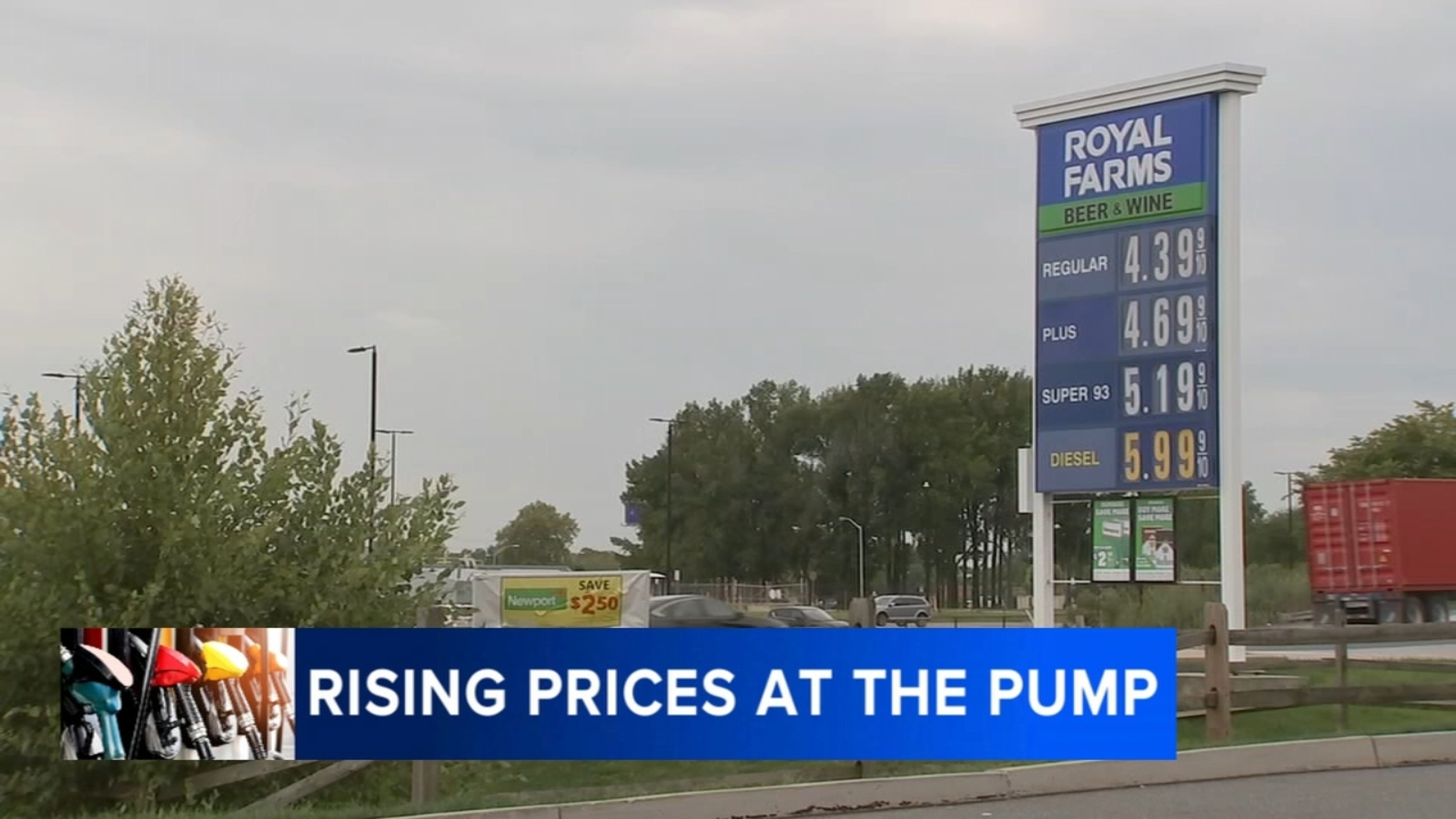
If you’ve filled up your tank recently, you’ve likely noticed that gas prices surge has become more than just a headline , it’s a daily reality. As the Labor Day weekend approaches, drivers across the Northeast and beyond are experiencing genuine sticker shock at the pump, with prices in some areas climbing nearly a dollar higher than they were just one year ago. Whether you’re planning a road trip, commuting to work, or simply running errands, understanding what’s driving this surge can help you make smarter decisions about when and where to fuel up.
How High Have Gas Prices Actually Climbed?
The numbers tell a striking story. In Drexel Hill, Pennsylvania, the intersection of Township Line and State roads became a snapshot of the current fuel landscape. At a Wawa and a Speedway station side by side, regular unleaded was priced at $4.39 per gallon, while a nearby Sunoco was charging $4.24 per gallon. All three stations sat above Pennsylvania’s statewide average , and roughly a dollar higher than what drivers were paying at the same time the previous year.
The volatility is just as alarming as the price itself. Workers at a Wawa location in Glassboro, New Jersey, reported that gas prices jumped 28 cents overnight. For travelers crossing state lines in search of relief, the difference adds up quickly. Zeeshan Parupia, a visitor from Dallas, Texas, was stunned when he pulled into a Royal Farms in Ridley Park while driving a rental car.
“I think right now it’s like 70 cents more per gallon,” Parupia said, summing up the frustration that millions of Americans feel every time they swipe their card at the pump.
The Bigger Picture: A Historic August for Fuel Costs
According to AAA, the average price of gas in Pennsylvania has reached $4.21 per gallon , a jaw-dropping 95 cents higher than the same period the previous year. AAA spokesperson Jana Tidwell put the moment into historical perspective with a sobering statement.
“This is the most expensive August for gas prices in history,” Tidwell noted.
That single sentence captures just how unusual the current market really is. Summer driving seasons typically bring moderate price fluctuations, but this year’s climb has broken records in a way that affects everything from family vacation budgets to commercial shipping costs.
What’s Behind the Surge?
AAA has pointed to several contributing factors behind the latest gas prices surge, and geopolitical tensions are near the top of the list. The ongoing conflict in the Middle East continues to threaten global oil supply chains, creating ripple effects that show up almost immediately at neighborhood fuel stations. Even minor disruptions in major shipping lanes or production facilities can translate into double-digit price increases within days.
Beyond geopolitics, refinery maintenance schedules, seasonal demand spikes, and fluctuations in crude oil markets all play roles. However, experts note that regional pricing differences , especially between Pennsylvania, New Jersey, and Delaware , can also create opportunities for savvy drivers willing to plan their fill-ups strategically.
State-by-State Price Differences: Where Can You Save?
One of the most practical insights from AAA’s analysis is that not every state is feeling the pinch equally. Tidwell specifically pointed out that fuel costs remain lower in New Jersey and Delaware compared to Pennsylvania. For travelers heading south or east for the holiday weekend, that geographic arbitrage can translate into real savings.
“It’s no secret the prices are less expensive in New Jersey, in Delaware, than they are in Pennsylvania,” Tidwell explained. “So if that’s where you’re headed this holiday weekend, make sure you fill up over there.”
This kind of cross-border strategy is increasingly common among budget-conscious commuters, especially those who live near state lines. A quick detour to a neighboring station can sometimes mean 30 to 70 cents in savings per gallon , a meaningful difference when filling a 15-gallon tank.
Drivers Are Adapting , But They’re Not Happy About It
Despite the financial pain, Americans aren’t canceling their holiday plans. AAA expects robust travel numbers over the Labor Day weekend, even with elevated fuel costs. But that doesn’t mean drivers are passively accepting the situation. Many are actively hunting for deals, comparing apps, and adjusting their habits to absorb the higher prices.
Paul Pro of Wallingford, Pennsylvania, recently found a rare moment of relief at a Freedom Fuel station in Brookhaven, where gas was selling for around $4 per gallon , noticeably below the regional average.
“It’s $50 to fill up this car,” Pro said. “It’s ridiculous, but what are you going to do.”
Pro’s sentiment echoes that of millions of drivers nationwide. He summed up the prevailing attitude with practical resignation.
“Gas is gas. You’re going to pay it no matter what, so you’re going to go whatever is cheaper,” he said.
Interestingly, Freedom Fuel itself has been making headlines beyond pricing. A fuel supplier filed a lawsuit alleging the company had not been paid for fuel delivered during the summer. An attorney representing Freedom Fuel’s parent company disputed the claim, calling it an accounting discrepancy on invoices. A court motion filed late in the week allowed Freedom Fuel to continue selling gas for the time being, ensuring drivers still have access to one of the more affordable options in the Brookhaven area.
Practical Tips to Maximize Fuel Efficiency
With gas prices surge conditions likely to persist through the holiday travel window, AAA has shared several recommendations for drivers looking to stretch every gallon further. These aren’t revolutionary changes, but combined, they can deliver noticeable savings over time:
- Remove unnecessary weight from your vehicle. Extra clutter in your trunk or back seat adds pounds that your engine has to work harder to move. Even 100 extra pounds can reduce fuel economy by roughly 1%.
- Stay current on oil changes and routine maintenance. A well-tuned engine runs more efficiently. Dirty air filters, low tire pressure, and old spark plugs can all silently drain your fuel economy.
- Drive smoothly and avoid aggressive acceleration. Rapid starts and hard braking waste gas. Maintaining a steady speed on highways can significantly improve your miles per gallon.
- Plan your routes strategically. Combining errands into one trip, avoiding rush-hour traffic, and minimizing idling time all contribute to better efficiency.
- Use fuel comparison apps. Tools like GasBuddy, AAA’s mobile app, and various state-specific platforms can help you locate the cheapest stations in real time.
The Economic Ripple Effect
Beyond the inconvenience at the pump, sustained high gas prices have broader implications for the economy. Transportation costs feed directly into the price of groceries, consumer goods, and travel services. As Labor Day weekend approaches, families are balancing the desire for a final summer getaway against the reality of inflated travel costs. Many are choosing closer destinations, shorter trips, or simply staying home and saving money for future opportunities.
For commercial drivers, the impact is even more pronounced. Trucking companies, delivery services, and rideshare operators all face razor-thin margins that can be wiped out by sudden fuel cost spikes. Those costs inevitably get passed along to consumers in the form of higher prices for everything from online orders to restaurant meals.
Looking Ahead: What Drivers Should Expect
While no one can predict with certainty when fuel costs will ease, historical patterns suggest that prices often moderate after the summer driving season ends. Demand typically declines as schools reopen and families settle back into fall routines, which can relieve some pressure on supply chains. However, geopolitical risks remain a wildcard, and any further escalation in oil-producing regions could quickly reverse any downward momentum.
For now, the best strategy is a combination of vigilance, planning, and efficiency. Tracking local prices, taking advantage of cross-border opportunities where available, and keeping your vehicle in top condition are all practical ways to manage the current gas prices surge without dramatically altering your lifestyle.
Final Thoughts
The current gas prices surge heading into Labor Day weekend is more than just a seasonal blip , it’s a record-setting moment that reflects a complex web of global and domestic factors. From the ongoing conflict in the Middle East to regional pricing disparities between neighboring states, drivers are navigating a fuel market that demands both awareness and adaptability. While the financial sting is real, the resilience shown by everyday Americans , hunting for deals, adjusting travel plans, and adopting fuel-saving habits , demonstrates that consumers remain remarkably resourceful even under pressure. As the holiday weekend unfolds and fall approaches, keep an eye on local pricing trends, maintain your vehicle, and remember that small changes in driving habits can add up to meaningful savings at the pump.