
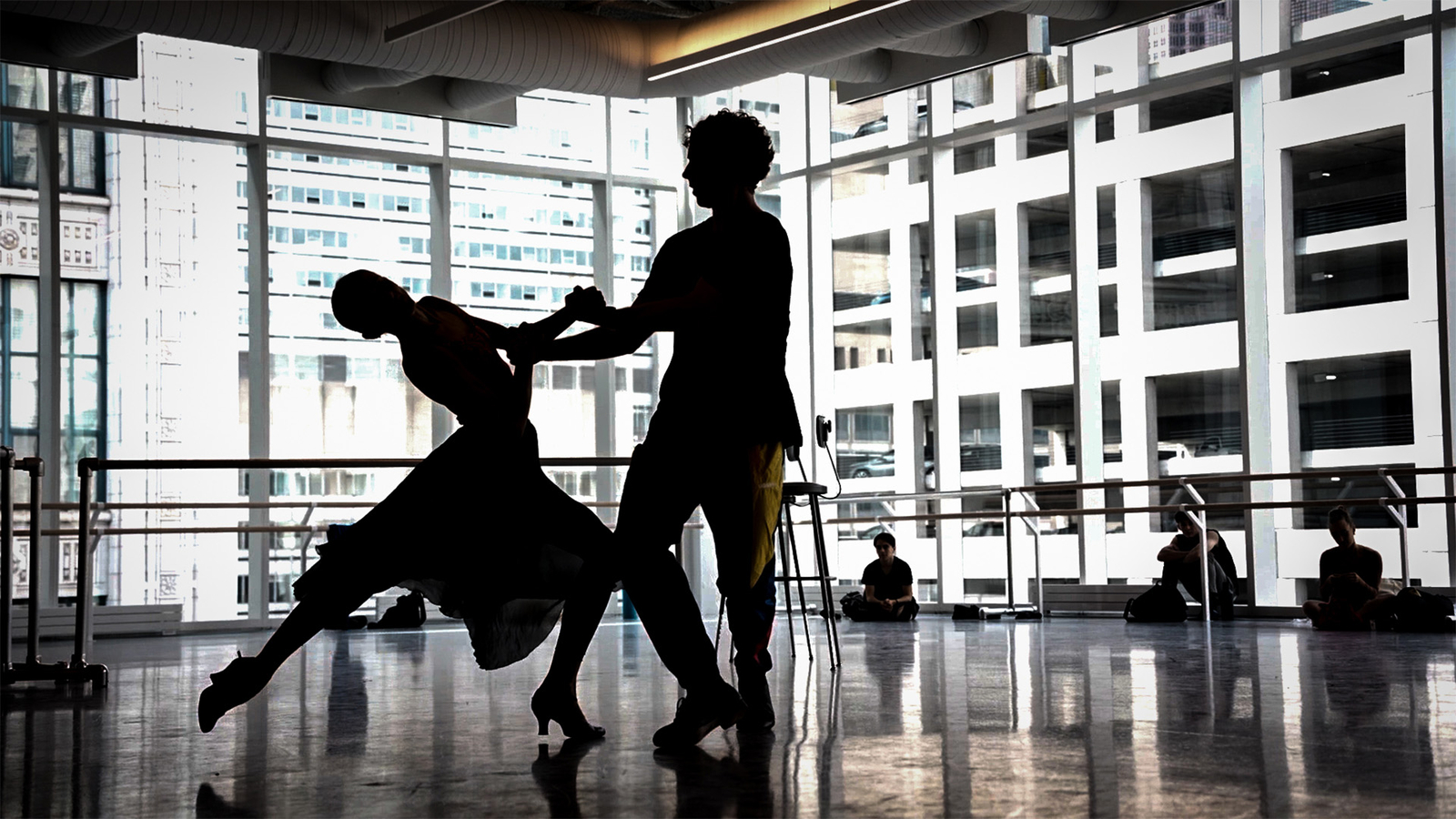
After years of planning, fundraising, and construction, the Philadelphia Ballet new studio has finally opened its doors on North Broad Street. This $50 million Center for Dance represents a transformative moment for one of America’s oldest ballet companies and signals a bold new chapter in the city’s thriving arts scene. Dancers who once squeezed into cramped hallways now have a world-class facility designed to nurture creativity, recovery, and performance excellence.
The Story Behind the Philadelphia Ballet’s Expansion
The Philadelphia Ballet has called North Broad Street home since 2013, but anyone familiar with the company’s previous setup knew the space was far from ideal. Dancers reportedly rehearsed shoulder-to-shoulder, stepping over one another as they waited for their turn on a floor too small to accommodate the company’s ambitious repertoire. For an organization with such a storied legacy, the disparity between artistic vision and physical infrastructure was impossible to ignore.
That imbalance sparked conversations about expansion in 2018. Leadership recognized that to remain competitive among the nation’s premier ballet institutions, the company needed a facility worthy of its talent. What began as internal discussions quickly evolved into a multi-million-dollar capital campaign that would reshape the organization’s future.
Funding a $50 Million Vision
Over the course of eight years, the Philadelphia Ballet successfully raised $36 million toward the Center for Dance project. According to CEO Shelly Power, approximately two-thirds of those funds came from private donations, reflecting deep community investment in the arts. The remaining portion was secured through public funding from the Commonwealth of Pennsylvania, demonstrating bipartisan recognition of ballet’s cultural and economic value to the region.
The total project cost is expected to reach around $50 million, with the company still actively fundraising to close the gap. This continued effort underscores how capital projects of this magnitude often rely on sustained community support long after the ribbon is cut.
A Construction Timeline Worth Noting
Once funding reached a critical threshold, construction began in 2024 and wrapped up in 2026. While two years may seem standard for a project of this scope, the timeline reflects years of meticulous planning that started well before the first hammer swung. From architectural design to acoustic engineering, every detail was crafted with dancers’ needs in mind.
Inside the Center for Dance Philadelphia
The new Center for Dance building offers far more than additional rehearsal space. It functions as a comprehensive creative campus designed to support every facet of a dancer’s professional life. Some of the standout features include:
- Dance Innovation Lab: A dedicated research and experimentation space where choreographers, technologists, and dancers can collaborate on the future of movement-based art.
- Physical Therapy Room: An on-site wellness facility allowing dancers to receive immediate care for injuries and preventive treatment without leaving the building.
- Music Room: A specialized acoustic environment for musicians, composers, and rehearsal pianists integral to every ballet production.
- Classrooms: Versatile educational spaces that support the company’s training programs and community outreach initiatives.
- Dedicated Wardrobe and Shoe Rooms: Separate, purpose-built spaces for costume management and pointe shoe preparation, two areas often overlooked in older facilities.
The Crown Jewel: The Petipa Studio
Among the building’s many impressive features, the Petipa Studio stands as the crown jewel of the entire project. Named in honor of Marius Petipa, the legendary 19th-century choreographer whose work shaped classical ballet as we know it, this studio is a marvel of architectural and artistic intention.
The Petipa Studio’s most striking feature is its towering windows, which overlook Broad Street and flood the space with natural light. For dancers accustomed to dim, basement-bound rehearsal halls, this connection to the outside world represents more than aesthetics , it transforms the daily experience of practice. The studio’s floor is the size of the stage at the Academy of Music, the Philadelphia Ballet’s historic performance venue. This allows dancers to rehearse in conditions that perfectly mirror where they will perform, reducing surprises and elevating the quality of every production.
Grand Opening Festivities on Broad Street
To celebrate the completion of this ambitious project, the Philadelphia Ballet hosted a weekend of grand opening events designed to welcome the community into the new space. The festivities were structured to appeal to donors, art enthusiasts, families, and curious neighbors alike.
- Spotlight Soirée and Gala , Thursday, September 17: An elegant evening event for supporters and arts patrons, featuring performances and a chance to experience the new building in its full splendor.
- Ribbon Cutting Ceremony , Friday, September 18: An official dedication marking the building’s formal opening, with remarks from leadership and civic dignitaries.
- Open House and Community Celebration , Saturday, September 19: A free, family-friendly event inviting the broader Philadelphia community to tour the facility and engage with the company.
This three-day structure reflects the company’s commitment to honoring its patrons while remaining accessible to the public that sustains it.
Why This Expansion Matters for Philadelphia
The opening of the Center for Dance is more than a real estate transaction. It represents a powerful investment in Philadelphia’s identity as a cultural capital. The Broad Street dance center anchors a corridor already home to the Academy of Music, the Kimmel Center, and other major artistic institutions. By adding a state-of-the-art facility purpose-built for ballet, the city strengthens its position as a destination for world-class performing arts.
For the dancers themselves, the impact is immediate and profound. Access to on-site physical therapy reduces injury recovery time. The Dance Innovation Lab opens doors to creative experimentation that previously required off-site collaboration. Spacious rehearsal halls eliminate the bottlenecks that once slowed production timelines. And dedicated spaces for wardrobe and shoes signal a holistic respect for the craft , every element of ballet, from the athletic to the aesthetic, has been considered.
Beyond the company, the facility expands opportunities for community engagement. With classroom space and an open house welcoming the public, the Philadelphia Ballet is positioning itself not just as a performance organization but as a cultural resource accessible to aspiring dancers of all backgrounds.
Looking Ahead
As fundraising continues to bridge the gap toward the full $50 million goal, the Philadelphia Ballet enters a new era defined by possibility rather than limitation. The new facility provides the infrastructure needed to attract top-tier choreographers, commission ambitious new works, and deepen the company’s artistic output for years to come.
For a company that has navigated changing artistic tastes, evolving audience expectations, and the universal challenges facing the performing arts, the Philadelphia Ballet new studio is a declaration of intent. It says, loudly and clearly, that classical ballet in Philadelphia is not merely surviving , it is thriving.
Whether you are a lifelong ballet patron, a curious Philadelphian, or someone who simply appreciates seeing historic institutions reinvent themselves, the Center for Dance on North Broad Street is worth experiencing firsthand. The dancers have stepped out of the hallways and into a home worthy of their artistry, and the entire city stands to benefit from what they create there next.