
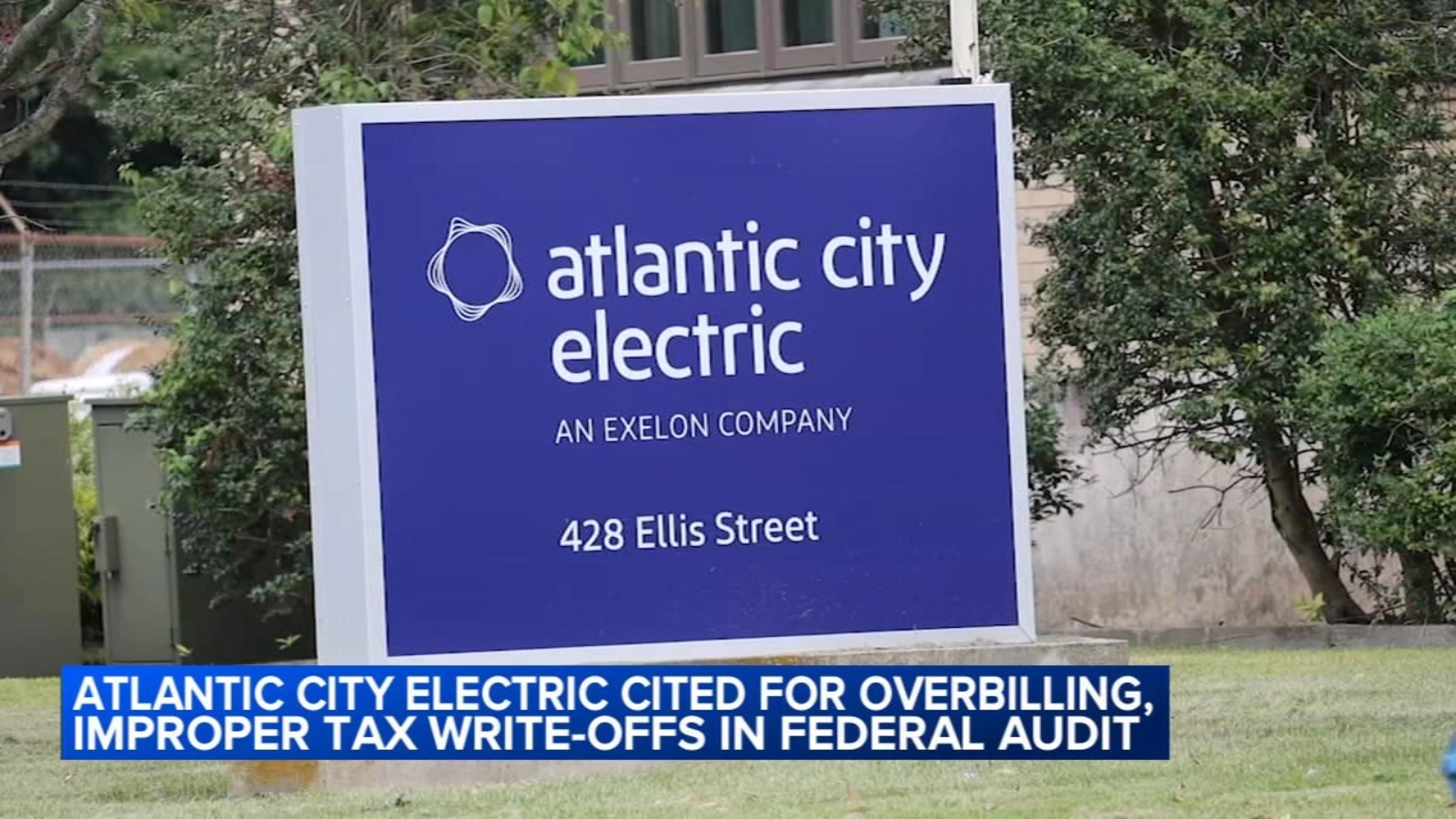
If you’re a customer of Atlantic City Electric, recent news about a federal audit may have caught your attention , and understandably raised some concerns. A review by the Federal Energy Regulatory Commission (FERC) identified multiple areas where the utility company failed to comply with federal regulations between 2021 and 2025, including instances of overbilling customers and questionable tax write-offs. While the utility has pushed back on some of these findings, the results have already sparked political outrage and calls for customer refunds.
For the hundreds of thousands of New Jersey residents and businesses who depend on Atlantic City Electric for their power, this audit raises important questions: Could you be owed money? What should you do if you suspect your bill is wrong? And how does this regulatory action affect your ongoing relationship with the utility?
This guide breaks down everything we know so far about the atlantic city electric overbilling situation, what FERC’s audit revealed, how regulators and lawmakers are responding, and , most importantly , what steps you can take to protect yourself as a consumer.
What the Federal Audit Uncovered
The FERC audit examined Atlantic City Electric’s operations over a four-year period spanning 2021 to 2025. Investigators identified five distinct areas of non-compliance with federal energy regulations. Of these, the commission flagged two as requiring immediate corrective action, while issuing nearly two dozen total recommendations aimed at bringing the utility back into compliance.
Among the most significant findings were:
- Overbilling practices that may have affected residential and commercial customers during the audit window.
- Improper tax write-offs that raised red flags with federal regulators.
- Additional procedural and accounting concerns related to how the utility tracked, reported, and managed certain operational expenses.
The scope of these findings is notable because FERC audits are detailed, evidence-driven reviews. When the commission issues recommendations, they typically follow documented violations of federal energy policy and accounting standards , not speculation.
FERC’s Two Dozen Recommendations Explained
After completing its review, the Federal Energy Regulatory Commission sent Atlantic City Electric a list of nearly two dozen recommendations. These aren’t optional suggestions , they represent specific changes the utility must make to bring its practices in line with federal guidelines. The recommendations address multiple areas of concern, but FERC identified two that required priority action.
While the exact wording of the recommendations hasn’t been fully published for public consumption, regulatory experts suggest they likely cover:
- Correcting billing calculation methods that may have inflated customer charges.
- Adjusting accounting practices related to tax deductions and operating expenses.
- Improving internal oversight and documentation procedures.
- Strengthening compliance reporting to federal authorities.
Atlantic City Electric has publicly stated that the company is already working to implement the recommended changes. Whether customers see tangible benefits , such as refunds or rate adjustments , remains an open question.
The Political Response: Calls for Refunds and Resignations
Unsurprisingly, news of the audit triggered a strong response from New Jersey lawmakers. Republican Congressman Jeff Van Drew, who represents South Jersey districts served by Atlantic City Electric, didn’t mince words. He publicly called for two specific actions:
- Customer refunds , Van Drew is urging the utility to return money to any customers who were overcharged during the audit period.
- Resignations at the New Jersey Board of Public Utilities (BPU) , The congressman is calling for accountability at the state level, suggesting that the regulatory body tasked with overseeing utilities may have failed in its oversight duties.
Van Drew’s push reflects a broader frustration among New Jersey consumers who have long complained about rising electricity costs and inconsistent billing practices. Local news outlets, including Action News’ Troubleshooters segment, have previously highlighted extreme cases , such as one customer’s reported $9,000 Atlantic City Electric bill , that underscore how high stakes utility billing errors can be for ordinary families.
Atlantic City Electric’s Response
In response to the audit findings, Atlantic City Electric issued a statement disputing some of the more serious interpretations of FERC’s findings. Specifically, the company emphasized two points:
- No confirmed violations: The utility claims that the audit did not conclude that Atlantic City Electric actually violated federal tax law.
- No specific overbilling amounts identified: The company asserts that FERC did not specify any dollar figures for customer overbilling, suggesting that the overbilling concerns may be more procedural than substantive.
The utility also reaffirmed its commitment to working with FERC on implementing the recommendations. This is a standard corporate response in regulatory disputes , companies often acknowledge procedural issues while disputing any suggestion of intentional misconduct.
However, it’s worth noting that even if the company didn’t intentionally overbill customers, billing errors can still result in real financial harm to consumers. A clerical mistake in a rate calculation, applied across thousands of accounts, can add up to significant amounts of money over several years.
What This Means for You as a Customer
Whether or not you personally experienced atlantic city electric overbilling, there are several practical steps you can take right now to protect yourself and stay informed.
1. Review Your Billing History
Pull out your past electricity statements and look for any unusual spikes, duplicate charges, or fees you don’t recognize. Pay particular attention to bills issued between 2021 and 2025, which corresponds to the audit period. If your usage patterns didn’t change but your bill increased dramatically, that could be a red flag.
2. Compare Your Rates Annually
Utility rates can fluctuate based on supply costs, infrastructure investments, and regulatory adjustments. However, you should know exactly what you’re being charged per kilowatt-hour. If your rate seems higher than the published tariff, contact the company immediately.
3. File a Formal Dispute If You Suspect an Error
If you believe you’ve been overcharged, you have the right to dispute the charge directly with Atlantic City Electric. Be sure to:
- Document the specific charges in question.
- Provide your account information and billing dates.
- Keep records of all correspondence with the utility.
- Request a written explanation of any charges you don’t understand.
If the company doesn’t resolve your dispute satisfactorily, you can escalate the complaint to the New Jersey Board of Public Utilities, which oversees Atlantic City Electric at the state level.
4. Watch for Refund Announcements
Given the political pressure on Atlantic City Electric and the public nature of this audit, there’s a reasonable chance the company could be required to issue refunds or credits to affected customers. Stay tuned to local news outlets and the company’s official communications for any announcements about restitution programs.
5. Consider Energy Audits for Your Home
Sometimes a high bill is the result of genuine usage increases , aging appliances, poor insulation, or HVAC issues can all drive up consumption. If your bills seem high but aren’t the result of overbilling, consider scheduling a home energy audit to identify efficiency improvements that could lower your costs going forward.
Broader Implications for Utility Oversight in New Jersey
The FERC audit is more than just a story about one utility’s accounting practices. It raises bigger questions about how New Jersey regulates its energy providers and how transparent those processes really are. Congressman Van Drew’s call for resignations at the BPU suggests that some lawmakers believe the state-level oversight system failed to catch issues that federal regulators eventually identified.
This could lead to broader reforms in how utility companies are monitored, how customer complaints are handled, and how billing disputes are resolved. For now, though, customers should focus on what they can control: staying informed, reviewing their bills carefully, and advocating for their rights as consumers.
Consumer Advocacy Resources
If you need help navigating a billing dispute with Atlantic City Electric, several resources are available:
- New Jersey Board of Public Utilities (BPU) , The state agency responsible for regulating utility companies. You can file formal complaints here.
- NJ Division of Consumer Affairs , Handles a wide range of consumer protection issues, including utility billing disputes.
- Office of the Rate Counsel , Represents the interests of New Jersey utility customers in rate proceedings.
- Local news consumer advocates , Outlets like the Action News Troubleshooters have a track record of getting answers for customers facing unusual bills.
Final Thoughts: Staying Vigilant as a Utility Customer
The atlantic city electric overbilling audit serves as a powerful reminder that utility billing isn’t something to take for granted. With hundreds of thousands of customers in southern New Jersey relying on the company for their daily electricity needs, even small billing errors can have a massive collective impact. FERC’s recommendations and the political response from leaders like Congressman Van Drew indicate that this issue isn’t going away quietly.
Whether refunds ultimately reach affected customers or the dispute ends in continued procedural reforms, one thing is clear: consumers should review their bills carefully, document any concerns, and use the regulatory resources available to them. Staying proactive is the best way to ensure you’re only paying for the electricity you actually use , nothing more, nothing less.