
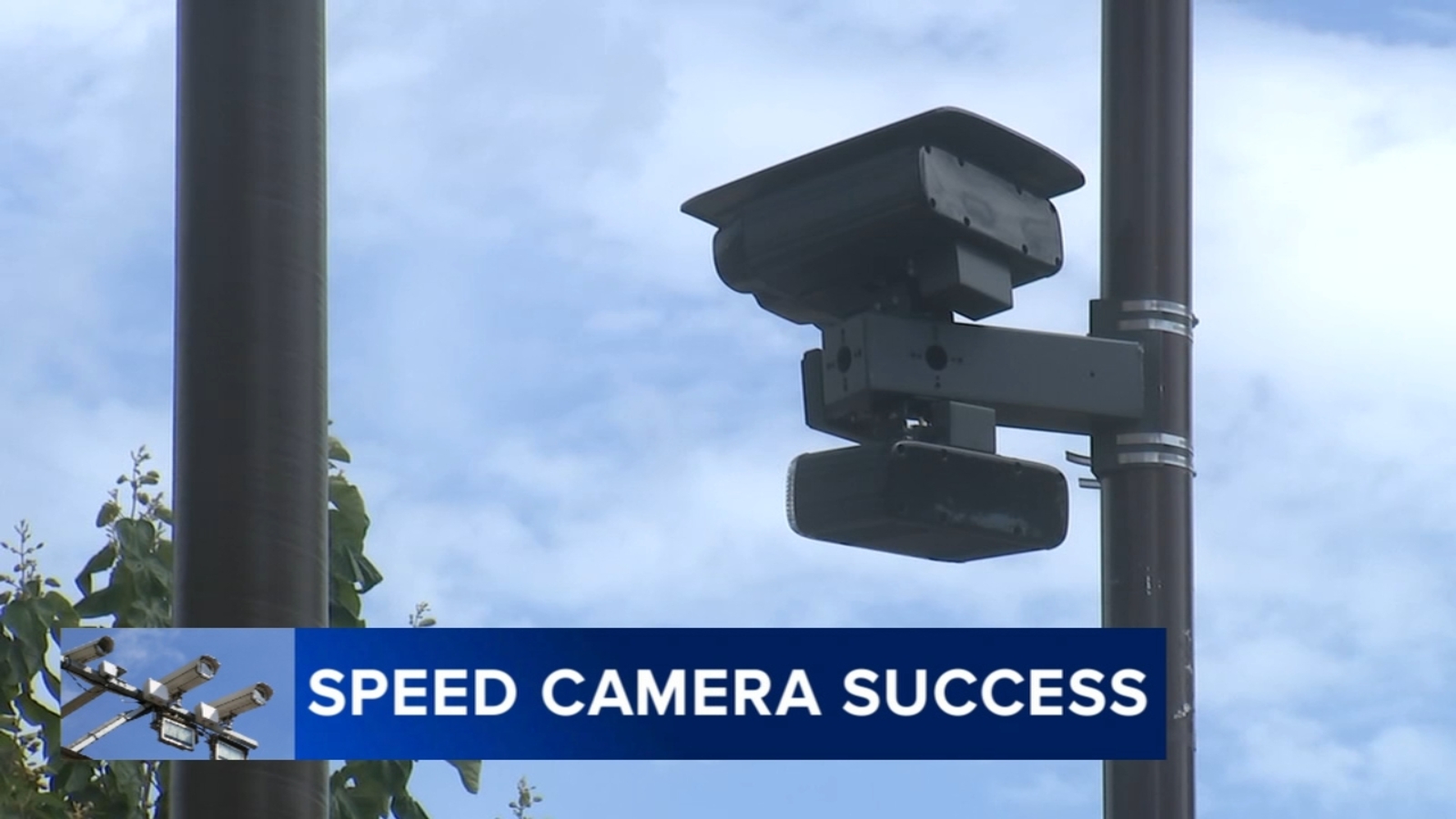
When broad street speed cameras went live along one of Philadelphia’s most heavily traveled corridors in late September, skeptics questioned whether automated enforcement could truly reshape habits on a roadway long known for aggressive driving. Roughly six months later, the numbers tell a compelling story: speeding violations plummeted from a peak of approximately 213,000 in October to about 70,000 by March,a 67% reduction that has energized roadway safety advocates across the city.
The Philadelphia Parking Authority (PPA), which oversees the program, attributes the dramatic shift to a straightforward behavioral principle: when drivers know they’re being watched, they slow down. That simple formula is now producing measurable results, and officials are pointing to the Broad Street data as proof that automated traffic enforcement can save lives while reshaping how Philadelphians navigate their streets.
How the Numbers Tell the Story
To appreciate the scope of this transformation, consider the timeline. October 2025 marked the high-water mark for violations, with roughly 213,000 citations issued as the program ramped up and word spread among drivers. By March, that monthly figure had dropped to approximately 70,000,a remarkable decline that suggests something more profound than temporary caution is taking hold.
Gabe Roberts, executive director of the PPA, explained the philosophy driving the initiative. “It’s aimed at changing behavior. It’s aimed at eliminating speeding violations and decreasing the number of crashes and deaths in the city,” Roberts said. His framing reflects a broader national conversation about how municipalities can use technology to address persistent traffic safety challenges without requiring a police officer on every corner.
Lessons from Roosevelt Boulevard
The Broad Street program isn’t Philadelphia’s first foray into automated speed enforcement. For five years, cameras have been operating along Roosevelt Boulevard, and the results there provide a roadmap for what sustained enforcement can accomplish. According to PPA data, fatal and injury crashes on Roosevelt Boulevard have decreased by 36% during that five-year period.
“We’ve seen a 36% drop in fatal and injurious crashes on Roosevelt Boulevard, which means we know this process works,” Roberts said. The Roosevelt Boulevard experience has become the benchmark against which new programs are measured, and early returns on Broad Street suggest the city is on track to replicate,or exceed,those gains.
This comparison matters because it transforms the conversation from speculation to evidence. Critics of speed cameras often raise concerns about revenue generation or civil liberties, but the Roosevelt Boulevard data reframes the discussion: when properly implemented, automated enforcement demonstrably reduces the most tragic outcomes on Philadelphia’s roadways.
Financial Returns and Public Investment
The PPA reported nearly $26 million in revenue for the fiscal year ending in March, with net revenue of approximately $14 million after program costs. These figures inevitably raise questions about whether the cameras are primarily a safety initiative or a revenue generator,a tension that has accompanied automated enforcement programs in cities across the country.
Roberts addressed that concern directly, explaining the financial flow. The money generated goes to the state and is then returned to Philadelphia for transportation-related projects. “We’re talking traffic improvement programs throughout the city. We’re talking traffic improvement programs, safety reduction measures, speed bumps around schools, the whole nine,” Roberts said.
This reinvestment model is significant because it ties the program’s financial outcomes directly back to its stated safety mission. Whether funds flow toward additional school zone cameras, new traffic-calming infrastructure, or other roadway improvements, the argument is that every dollar generated represents both a deterrent to dangerous driving and an investment in the broader transportation network.
Expanding Protections Near Schools
Perhaps the most emotionally resonant component of Philadelphia’s expanded speed enforcement strategy involves school zones. The PPA is currently testing school zone speed cameras near five Philadelphia schools, including KIPP Elementary in North Philadelphia. These installations represent a particularly sensitive application of the technology, given that schools are places where children are most vulnerable and parents are most anxious about safety.
North Philadelphia resident Yvette Johnson expressed conditional support for the cameras near her neighborhood school. “As long as it’s during school hours, I don’t mind it. It’s alright, as long as it’s safe to get to and from school,” Johnson said. Her perspective captures the nuanced public opinion surrounding the program: many residents accept or even welcome cameras when they’re deployed thoughtfully around children’s daily routines.
The school zone pilot reflects a broader shift in how cities approach child pedestrian safety. Research consistently demonstrates that lower vehicle speeds dramatically reduce both the likelihood and severity of crashes involving young pedestrians, making school zone enforcement one of the most defensible applications of automated traffic cameras.
The Road Ahead: Allegheny Avenue and Beyond
The Broad Street success has created momentum for further expansion. Additional speed cameras are planned for other state routes, including Allegheny Avenue,a corridor with its own history of speeding concerns. As the network grows, Philadelphia is positioning itself among a growing list of cities leveraging automated traffic enforcement as a core tool for road safety.
Officials have indicated that tickets will range from $100 to $150 depending on how far over the speed limit a driver is traveling. This tiered structure is common in speed camera programs and is designed to ensure that penalties scale with the severity of the violation, rather than treating all speeding equally.
The message from transportation officials remains straightforward: slow down and obey the speed limit. It’s a simple ask, but one that carries life-or-death consequences for pedestrians, cyclists, and other motorists sharing Philadelphia’s busy corridors.
What the Data Suggests About Driver Behavior
The 67% drop in violations on Broad Street is more than a statistical curiosity,it represents thousands of individual decisions by drivers to ease off the accelerator, check their speed, and respect posted limits. That kind of widespread behavioral change is exactly what proponents of automated enforcement predicted, and what critics doubted would occur.
Behavioral scientists often note that humans respond powerfully to perceived surveillance, whether real or implied. The presence of cameras doesn’t just catch violators; it changes the calculation every driver makes when they get behind the wheel. Over months and years, that shift in calculation translates into fewer crashes, fewer injuries, and fewer fatalities.
Roosevelt Boulevard’s 36% reduction in fatal and injury crashes over the long term suggests that the initial behavioral shift documented on Broad Street can be sustained and deepened with continued enforcement. If Broad Street follows a similar trajectory, Philadelphia could see hundreds of prevented injuries and dozens of saved lives over the coming years.
Looking Forward
The early returns on Broad Street suggest Philadelphia has found a tool that delivers on its core promise: reducing dangerous driving. As more corridors come online and the school zone pilots generate their own data, the city will have an increasingly clear picture of how road safety Philadelphia initiatives can be deployed most effectively.
For residents, the takeaway is both simple and consequential. The cameras are watching, drivers are slowing down, and the streets are getting safer. Whether one views automated enforcement as a necessary innovation or an unwelcome intrusion, the Broad Street numbers make one thing clear: when it comes to protecting lives on Philadelphia’s busiest roads, this approach is working.
The next chapter of this story,whether Allegheny Avenue, expanded school zones, or entirely new corridors,will determine just how transformative Philadelphia’s commitment to automated traffic enforcement ultimately becomes.