
With multiple foodborne illness outbreaks making headlines across the United States this summer, families are understandably on edge about the safety of their next meal. From contaminated produce to dangerous bacteria in everyday restaurant dishes, the recent wave of outbreaks has affected thousands of Americans and reminded us all just how important food safety truly is.
Whether you’re dining out, hosting a backyard barbecue, or simply packing lunches for the family, understanding the current outbreak landscape and learning a few practical safety habits can make all the difference. In this comprehensive guide, we’ll break down the latest outbreaks, explain what health officials are doing, and share expert-backed tips to help you protect your loved ones.
Understanding the Current Wave of Foodborne Illness Outbreaks
The summer of 2025 has been a particularly active one for foodborne illness outbreaks, with health agencies tracking multiple contamination events simultaneously. The U.S. Centers for Disease Control and Prevention (CDC) and the Food and Drug Administration (FDA) have been working around the clock to identify sources, trace contamination paths, and issue timely warnings to the public.
The Salmonella Outbreak Spanning 27 States
One of the most significant foodborne illness outbreaks currently under investigation involves salmonella bacteria, which has spread across 27 states and sickened approximately 345 people. Dozens of those affected have required hospitalization, and health officials are investigating a possible link to jalapeño peppers served at popular restaurant chains Chipotle and Qdoba.
The peppers in question were reportedly grown in Mexico. In an effort to protect customers, these chains have temporarily removed jalapeños from their menus while the investigation continues. Salmonella infections can cause symptoms including diarrhea, fever, abdominal cramps, and in severe cases, hospitalization or worse, particularly for young children, elderly individuals, and those with compromised immune systems.
The Cyclospora Outbreak and Recalled Lettuce
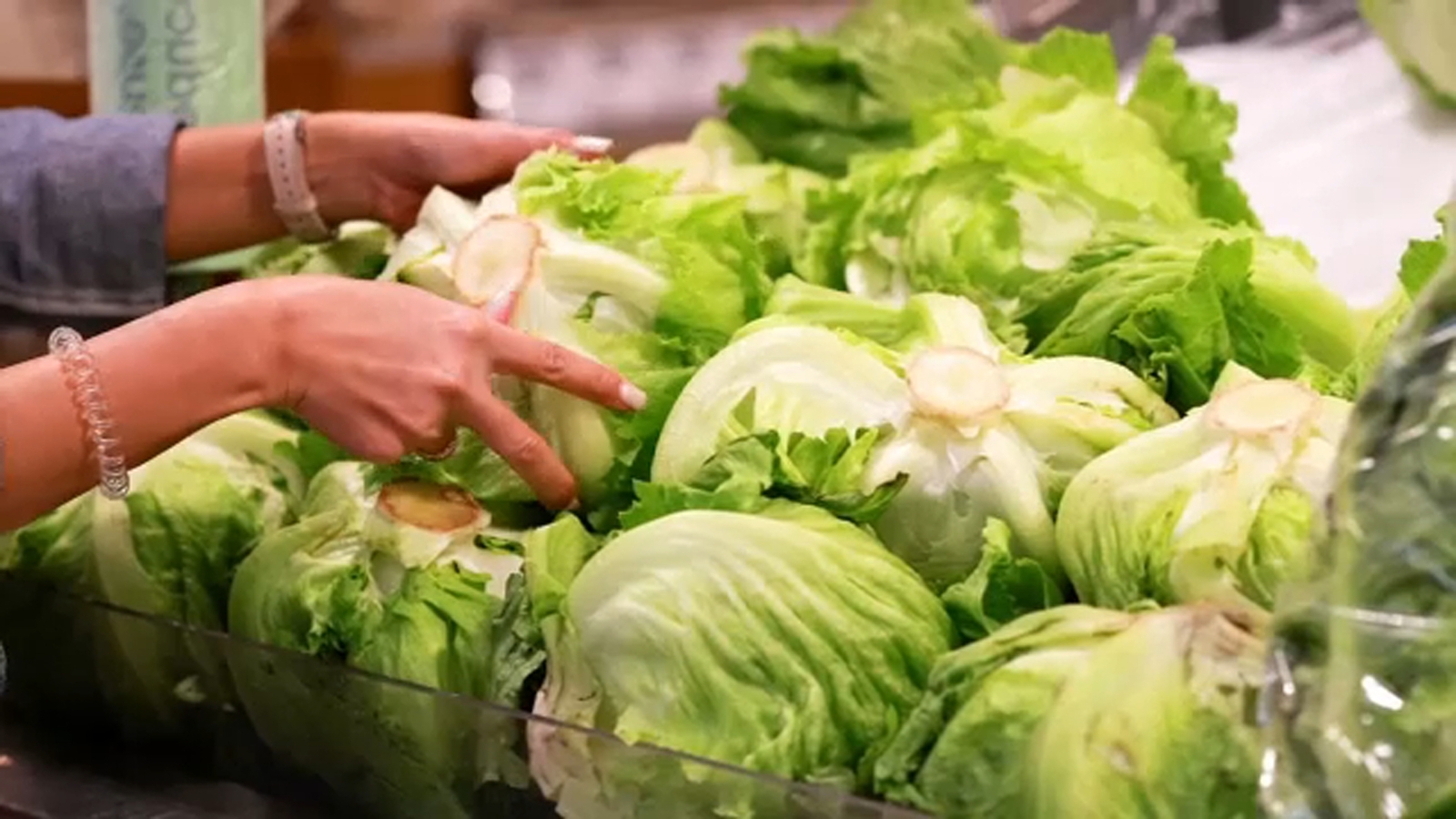
In addition to the salmonella scare, the FDA has been investigating at least ten parasitic outbreaks since July 1st. The largest of these is a Cyclospora outbreak, a parasitic infection that has been linked to recalled lettuce also grown in Mexico. Cyclospora infections often cause prolonged diarrhea, fatigue, loss of appetite, and weight loss, and they require medical treatment to fully resolve.
Other Concerning Outbreaks
Beyond salmonella and Cyclospora, health officials are also tracking outbreaks involving E. coli, listeria, and clostridium botulinum. The latter was found in baby formula, which is particularly alarming for parents of infants. Listeria contamination remains especially concerning because it can survive refrigeration temperatures and cause severe illness, particularly in pregnant women, newborns, and those with weakened immune systems.
Expert Advice: How to Protect Yourself and Your Family
While the headlines may feel alarming, there are concrete steps you can take to reduce your risk of becoming a victim of foodborne illness outbreaks. Dr. Shruti Gohil from UCI Health Epidemiology and Infection Prevention offers practical wisdom that anyone can apply.
“When you go out to eat, if anything looks unhealthy, it doesn’t look like meat is cooked fully, or you see evidence of spoilage on any type of produce, those are all things to bring to the attention of the manager or whoever served you the food,” Dr. Gohil explained.
This simple but powerful advice underscores a critical point: trust your instincts. If something about your meal seems off, it probably is. Don’t be afraid to send food back or ask to speak with a manager.
Essential Food Safety Tips When Dining Out
Eating at restaurants doesn’t have to feel like a gamble if you follow a few smart guidelines:
- Order high-risk foods well done. Chicken, eggs, ground meats like hamburgers, and fish should always be cooked thoroughly. Requesting your food be cooked “well done” significantly reduces the risk of bacterial contamination.
- Ask about pasteurized eggs. Before ordering dishes like hollandaise sauce, Caesar dressing, or custards, ask your server whether pasteurized eggs were used. Pasteurization kills harmful bacteria without affecting the taste or texture.
- Avoid lukewarm buffet food. Buffets can be breeding grounds for bacteria, especially when food sits out at lukewarm warmth for extended periods. Stick to items that are steaming hot or properly chilled.
- Inspect produce visually. Look for signs of spoilage, unusual discoloration, or sliminess on any fruits or vegetables served to you.
- Don’t hesitate to speak up. If something feels wrong about your meal, send it back and ask to speak with a manager. Your health is worth the awkward conversation.
Smart Strategies for Home Food Preparation
The risks of foodborne illness aren’t limited to restaurants. Home kitchens can harbor dangerous bacteria if proper precautions aren’t taken. Here are essential food safety tips to implement in your own kitchen:
- Wash your hands thoroughly before and after handling raw meat, poultry, seafood, or eggs. Use warm water and soap for at least 20 seconds.
- Separate raw and cooked foods to prevent cross-contamination. Use different cutting boards for produce and raw meats.
- Cook foods to proper internal temperatures using a food thermometer. Poultry should reach 165°F, ground meats 160°F, and steaks or chops 145°F.
- Refrigerate promptly. Don’t leave perishable foods out at room temperature for more than two hours, or one hour if the weather is above 90°F.
- Wash produce thoroughly under running water, even if you plan to peel it. Bacteria can transfer from the outside to the inside during cutting.
- Stay informed about recalls. Regularly check the FDA and CDC websites for information about recalled products in your area.
Special Considerations for Vulnerable Groups
Certain populations face higher risks from foodborne illness outbreaks and should take extra precautions:
For Parents of Infants
The recent detection of clostridium botulinum in baby formula is a stark reminder that infant nutrition requires special vigilance. Always use formula as directed, never dilute it with extra water, and discard any prepared formula not consumed within two hours.
For Pregnant Women
Listeria poses particular risks during pregnancy, potentially causing miscarriage, stillbirth, or serious illness in newborns. Pregnant women should avoid unpasteurized dairy products, deli meats, and refrigerated pâtés unless they are thoroughly reheated.
For Elderly Individuals and Immunocompromised People
Older adults and those with weakened immune systems should be especially careful about food choices, opting for well-cooked foods and avoiding raw or undercooked options whenever possible.
Recognizing the Symptoms of Foodborne Illness
Knowing the warning signs of foodborne illness can help you seek treatment quickly. Common symptoms include:
- Nausea and vomiting
- Diarrhea (sometimes bloody)
- Abdominal pain and cramping
- Fever
- Headache and muscle aches
- Dehydration
If you experience severe symptoms such as high fever, prolonged vomiting, signs of dehydration, bloody stools, or neurological symptoms, seek medical attention immediately. Vulnerable populations should contact their healthcare provider at the first sign of foodborne illness.
Staying Informed and Prepared
Given the ongoing nature of current foodborne illness outbreaks, staying informed is one of the most powerful tools at your disposal. Subscribe to FDA recall alerts, follow your local health department on social media, and pay attention to news coverage of food safety issues in your region.
Consider keeping a list of recalled products on your refrigerator as a quick reference for grocery shopping. If you discover you have recalled items in your home, dispose of them immediately or return them to the store for a refund.
Conclusion: Vigilance Is Your Best Defense
While the current wave of foodborne illness outbreaks is certainly cause for caution, there’s no need to live in fear. By staying informed, trusting your instincts when something seems off, practicing proper food safety in your home, and speaking up when dining out, you can dramatically reduce your family’s risk of falling ill.
The combination of multi-state outbreaks involving salmonella, Cyclospora, E. coli, listeria, and other pathogens serves as an important reminder that food safety is a shared responsibility,from farm to fork. Restaurants, food producers, regulatory agencies, and consumers all play a role in keeping the food supply safe.
This summer, take a few extra moments to wash your produce, cook your meats thoroughly, ask your server how your food was prepared, and pay attention to recall notices. These small habits could make the difference between a wonderful family meal and a trip to the emergency room. Your family’s health is worth the effort, and with the right knowledge, you can confidently enjoy everything the season has to offer.
