
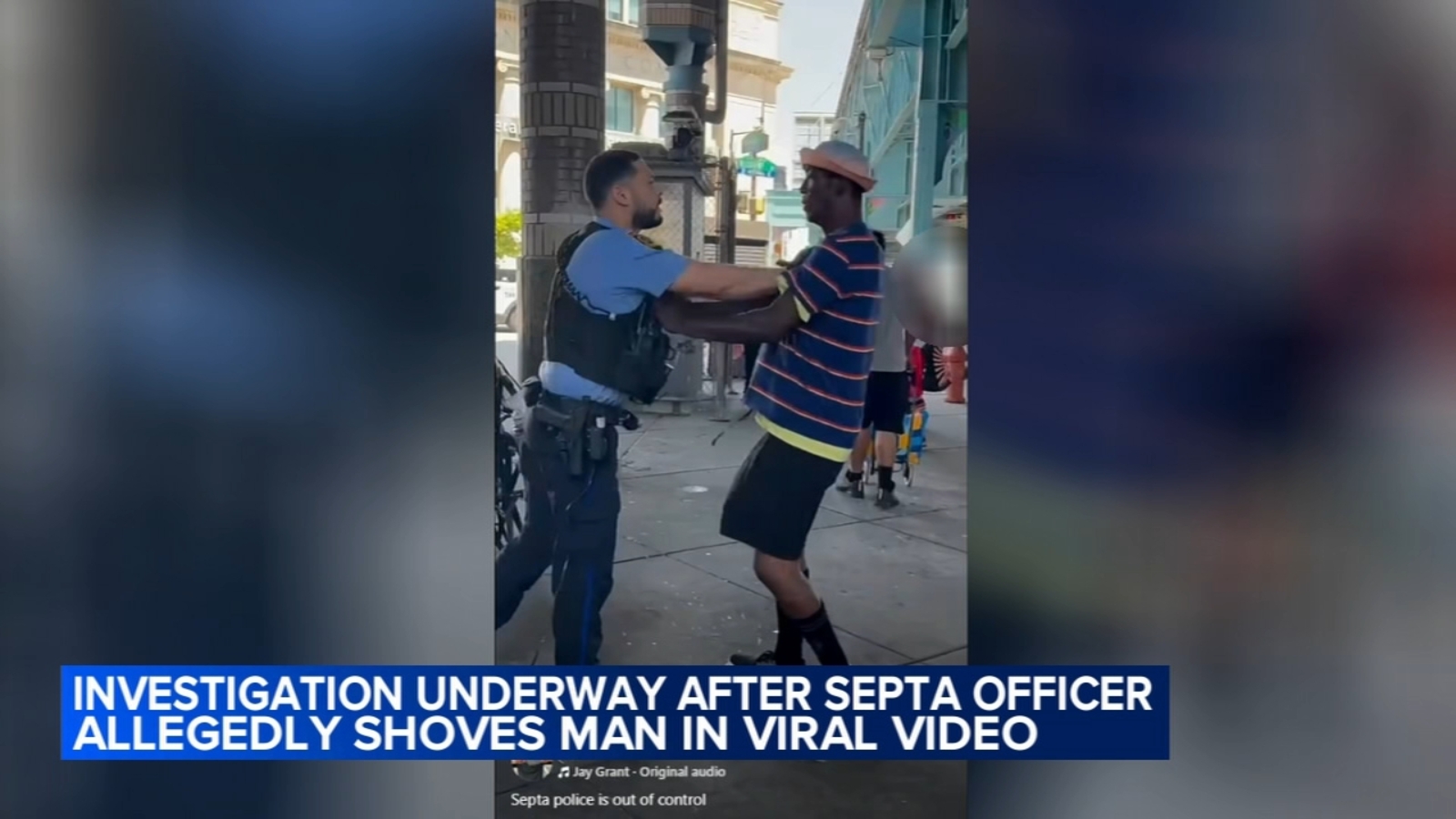
A Philadelphia commuter routine turned into a viral moment this week when video surfaced showing a SEPTAt transit officer shoving a man at Allegheny Station, sending him tumbling into a person seated in a wheelchair. The Southeastern Pennsylvania Transportation Authority (SEPTA) confirmed it has opened an Internal Affairs investigation, and the agency is promising transparency once that inquiry concludes. The SEPTAt transit officer shoving incident has reignited a broader conversation about how transit police interact with the public, particularly with vulnerable riders such as those with disabilities.
The confrontation unfolded Monday at Allegheny Station in Philadelphia’s Kensington neighborhood, one of the busiest stops along the Broad Street Line’s northern corridor. According to SEPTA officials, the man who was pushed had been caught evading the fare and was being escorted off the property when the altercation occurred. The brief video clip, however, captures a moment that has prompted serious questions about proportionality, training, and accountability within the transit police force.
What the Video Shows
Cellphone footage shared widely across social media platforms shows a uniformed SEPTA transit officer shoving a man who appears to be complying with the officer’s instructions to leave the station. The shove is forceful enough that the man stumbles backward and falls directly into a person seated in a wheelchair nearby. Neither individual appears to remain on the ground for long, and SEPTA has stated that no injuries were reported. Nonetheless, the visual has struck a nerve with commuters, disability advocates, and civil liberties observers who say the use of force was unwarranted, particularly given that the person in the wheelchair had nothing to do with the underlying fare evasion matter.
The clip does not show what preceded the shove, including any verbal exchanges or physical resistance that may have prompted the officer’s response. SEPTA has noted that the man was being escorted out of the station at the time of the incident, a detail that frames the altercation as part of a removal process rather than an active arrest or pursuit.
SEPTA’s Official Response
In a written statement, a SEPTA spokesperson addressed the video and confirmed the agency’s commitment to a formal review. “An Internal Affairs investigation was opened right after the incident, and because of that, we have to defer at this time on commenting further,” the spokesperson said. “We will share results of the investigation publicly when it concludes.”
This language reflects a standard practice in law enforcement oversight: agencies often withhold detailed commentary while internal affairs processes unfold to protect the integrity of the review. For many transit advocates, however, the pledge of public disclosure once the SEPTA transit officer shoving investigation concludes will be the true test of accountability.
SEPTA Transit Police have historically operated under policies that govern the use of force, de-escalation tactics, and interactions with riders who have disabilities, mental health conditions, or other vulnerabilities. Whether those policies were followed in this case remains the central question for investigators.
The Broader Context of Fare Evasion Enforcement
Fare evasion has become an increasingly visible enforcement priority across major U.S. transit systems, including SEPTA, the New York MTA, Washington Metro, and Chicago’s CTA. Critics argue that aggressive enforcement of fare evasion often falls disproportionately on low-income riders and people of color, while transit advocates contend that lost fare revenue threatens system-wide service quality. SEPTA, like many agencies, has explored alternatives such as fare capping, mobile payment options, and community outreach, but enforcement remains a daily reality for transit officers.
The Allegheny Station incident is particularly sensitive because it occurred in the Kensington neighborhood, which has been the focus of ongoing city and state attention due to its open-air drug use, encampments, and complex social service needs. Transit stops in the area often serve as gathering points, and police interactions in and around these stations are closely watched by outreach workers, residents, and journalists.
Concerns About Disability Rights and Accessibility
One of the most striking elements of the video is the involvement of a person seated in a wheelchair who was inadvertently struck during the shove. Disability rights advocates have long argued that transit police need additional training to safely navigate encounters that involve wheelchair users and other riders with mobility challenges. A single shove in a crowded station environment can cause catastrophic harm, particularly for someone whose center of gravity is already altered by a chair or mobility device.
Organizations such as the Disability Rights Pennsylvania and local advocacy groups have called on SEPTA to release the full body camera footage from the transit officer involved, as well as any video from station security cameras, in order to provide a complete picture of what led up to the shove.
The Role of Body Cameras in Transit Policing
Body-worn cameras have become a standard accountability tool across many law enforcement agencies, including transit police departments in major U.S. cities. If the SEPTA transit officer involved was wearing an activated body camera during the incident, that footage would provide critical context that the brief cellphone clip does not. SEPTA has not publicly confirmed whether body camera footage exists or will be released, but doing so would likely go a long way toward restoring public trust following the SEPTA transit officer shoving video.
Transparency advocates argue that releasing body camera footage is especially important in cases where public video is already circulating, because withholding the officer’s perspective can fuel speculation and undermine confidence in the eventual investigative findings.
What Happens Next in the Investigation
Internal Affairs investigations in transit police departments typically follow a structured timeline. Investigators will interview the officer involved, any witnesses, the individuals who were pushed or struck, and review all available video evidence. Depending on the findings, outcomes can range from exoneration to administrative discipline, additional training, suspension, or termination. In some cases, findings may also be referred to the Philadelphia District Attorney’s Office for review of potential criminal charges.
For now, SEPTA has committed only to sharing the results of the investigation publicly when it concludes. The agency has not provided an estimated timeline for that conclusion, leaving commuters and advocates waiting for answers.
Public Reaction and Calls for Accountability
Local elected officials and community leaders have begun weighing in on the Allegheny Station incident. Several Philadelphia City Council members have publicly called for the release of any relevant footage and for a transparent investigative process. Disability advocates have separately urged SEPTA to use the incident as an opportunity to revisit its training protocols around interactions with wheelchair users and other vulnerable populations.
On social media, the video has drawn thousands of views and comments, with many users expressing outrage while others cautioning that the brief clip does not show the full sequence of events. That tension, between visible misconduct and missing context, is precisely why thorough, transparent investigations matter.
Why This Case Matters Beyond Philadelphia
The SEPTA transit officer shoving incident is not just a local story. It reflects national conversations about how transit police use force, how agencies are held accountable, and how the rights of disabled riders are protected in public spaces. Major transit systems across the country are under pressure to balance rider safety with civil liberties, and incidents like the one at Allegheny Station become flashpoints for larger debates.
For Philadelphia commuters who depend on SEPTA every day, the stakes are deeply personal. Riders want to feel safe, and they also want to know that the officers charged with protecting them are doing so in ways that respect their dignity and their rights.
Conclusion
The video of a SEPTA transit officer shoving a man at Allegheny Station has sparked an immediate Internal Affairs investigation, public statements from agency leadership, and broader community concern about the use of force in transit policing. With no injuries reported but plenty of questions remaining, the path forward will depend on how thoroughly SEPTA investigates the incident, whether it releases body camera and station footage, and what disciplinary or policy changes result from its findings. As Philadelphia waits for answers, the SEPTA transit officer shoving case stands as a reminder that public transit systems must continually earn the trust of the communities they serve, one interaction at a time.