
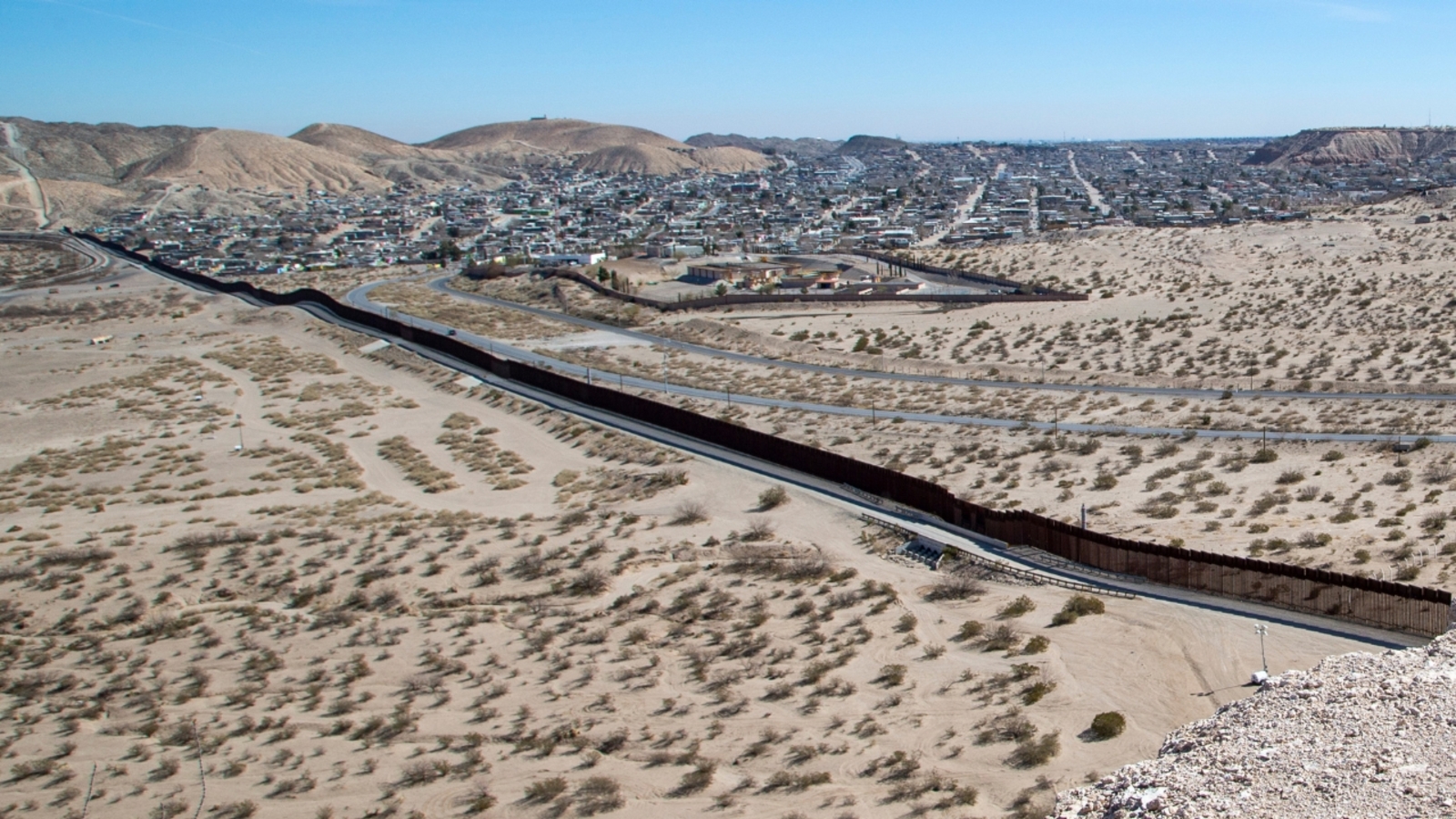
The asylum metering policy, a controversial immigration strategy that limits how many people can apply for asylum at U.S. border crossings each day, may soon return after the Supreme Court cleared the way for its revival in a closely watched 6-3 decision. This ruling marks a significant turning point in the ongoing legal battles over how the United States processes individuals seeking protection from persecution, and it carries profound implications for migrants, immigration advocates, and the future of asylum law itself.
In overturning a lower court order that had blocked the practice, the justices handed a major victory to the current administration, which has argued that metering is an essential tool for managing the flow of asylum seekers at the southern border. The decision also signals how the court may approach other immigration cases this term, including challenges to birthright citizenship and temporary protected status for migrants fleeing instability abroad.
What Is the Asylum Metering Policy?
Metering is a border management practice in which immigration officials limit the number of migrants permitted to approach official ports of entry to apply for asylum on any given day. Those who arrive at the border but cannot be processed immediately are often told to wait, sometimes in dangerous and unsanitary conditions just south of the crossing.
The policy first emerged during the Obama administration in 2016, when large groups of Haitian migrants gathered at the San Ysidro crossing between Tijuana, Mexico, and San Diego, California. Faced with overwhelming numbers, officials began limiting daily processing. The Trump administration later expanded metering to all U.S.-Mexico border crossings, citing the need to restore order and control to a system it described as overwhelmed.
The practice was effectively suspended in 2020 when pandemic-era restrictions closed the border to most asylum seekers, and President Joe Biden formally rescinded it in 2021.
The Supreme Court Ruling Explained
The case before the Supreme Court centered on a fundamental question: Do migrants who present themselves at a port of entry but are turned away because of metering count as having “arrived” in the United States for the purposes of asylum screening?
The court’s conservative majority answered no. Writing for the majority, Justice Samuel Alito offered a striking analogy: “A guest does not arrive in a house when he knocks on the front door.” This framing suggested that migrants who are stopped or turned back at the border have not technically entered the country and therefore are not entitled to the asylum screening that federal law guarantees to those who arrive on American soil.
The ruling overturned a lower court order that had found metering violated both the rights of asylum seekers and the legal requirement to screen individuals who express a fear of returning to their home countries.
The Dissenting Voices
Justice Sonia Sotomayor delivered a powerful dissent from the bench, a relatively rare occurrence that signals the gravity of the disagreement. She warned that the majority’s opinion “regrettably and tragically extinguishes the light of the torch of the Statue of Liberty.”
In an unusual exchange, Justice Alito responded directly after Sotomayor finished reading her dissent, expressing surprise that she had chosen to read it aloud. He defended the ruling by noting that metering had been employed by presidents of both major political parties. The exchange highlighted the deep ideological divisions on the court regarding immigration policy and the rights of asylum seekers.
Arguments For and Against Metering
The Government’s Position
Federal attorneys argued that metering is a critical and long-standing tool for managing border security. They maintained that individuals turned away at the border are not denied asylum permanently , they can return later to seek protection. According to this view, the policy allows the government to control the pace of arrivals without completely shutting the door on those seeking refuge.
Administration officials also pointed to the practical necessity of metering, noting that when it was previously in effect, waitlists stretched for thousands of people, creating untenable conditions at border cities.
Critics and Advocates’ Concerns
Immigration advocates and humanitarian organizations have strongly criticized metering, arguing that it effectively functions as a ban on asylum for those who cannot wait weeks or months in makeshift camps near the border. Many of those waiting include families with children, individuals fleeing gang violence, and people with serious medical conditions.
Legal advocates have also emphasized that under U.S. law, anyone who arrives at a port of entry , whether or not they have entered the interior of the country , should be screened for a credible fear of persecution. The court’s ruling, they argue, creates a dangerous loophole that allows the government to avoid its legal obligations simply by preventing people from physically entering.
Historical Context and the Bipartisan Debate
One of the most debated aspects of the ruling is the court’s acknowledgment that metering has been used by administrations of both parties. Supporters of the policy argue that this bipartisan history proves its legitimacy and necessity. Critics, however, point out that the Obama-era use of metering was a response to a specific and short-term crisis, not a long-term strategy for managing the asylum system.
The expansion of metering under the Trump administration transformed it from an emergency measure into a foundational border policy, fundamentally altering how migrants access the U.S. asylum system.
Broader Implications for U.S. Immigration Policy
The Supreme Court’s decision comes at a time when immigration is once again at the center of national political debate. The court is currently considering several other high-profile immigration cases, including:
- Challenges to birthright citizenship: The administration’s push to reinterpret the constitutional guarantee of citizenship for children born on U.S. soil.
- Temporary Protected Status (TPS): Efforts to strip legal protections from migrants fleeing armed conflict and instability in countries like Venezuela, Haiti, and Honduras.
- Continued pandemic-era restrictions: The lingering Title 42-style policies that have shaped border enforcement in recent years.
Together, these cases could reshape the U.S. immigration system in ways that affect millions of current and future migrants, as well as the communities that host them.
What Happens Next?
While the Supreme Court has cleared the legal path for metering to be reinstated, the policy is not currently in effect. The administration now has the authority to implement it, but doing so would require new operational decisions, staffing, and coordination with Mexican authorities, where most of the waiting migrants would likely be stationed.
Immigration advocates have vowed to continue challenging the policy through every available legal avenue, and humanitarian organizations are bracing for the potential return of mass waitlists and border encampments. Meanwhile, the ruling raises important questions about the future of asylum screening at ports of entry and whether the United States will continue to honor its commitments under both domestic law and international refugee conventions.
Conclusion
The Supreme Court’s decision to allow the revival of the asylum metering policy represents a pivotal moment in American immigration law. By determining that migrants turned away at the border have not truly “arrived,” the court has reshaped the legal landscape for asylum seekers and given the government broad new discretion to control who can apply for protection. While the ruling does not immediately reinstate metering, it removes the most significant legal obstacle to doing so. The coming months will reveal whether this dormant policy becomes a cornerstone of border management once again , and how the humanitarian consequences of that choice will unfold for the thousands of people who each year seek safety on American soil.