
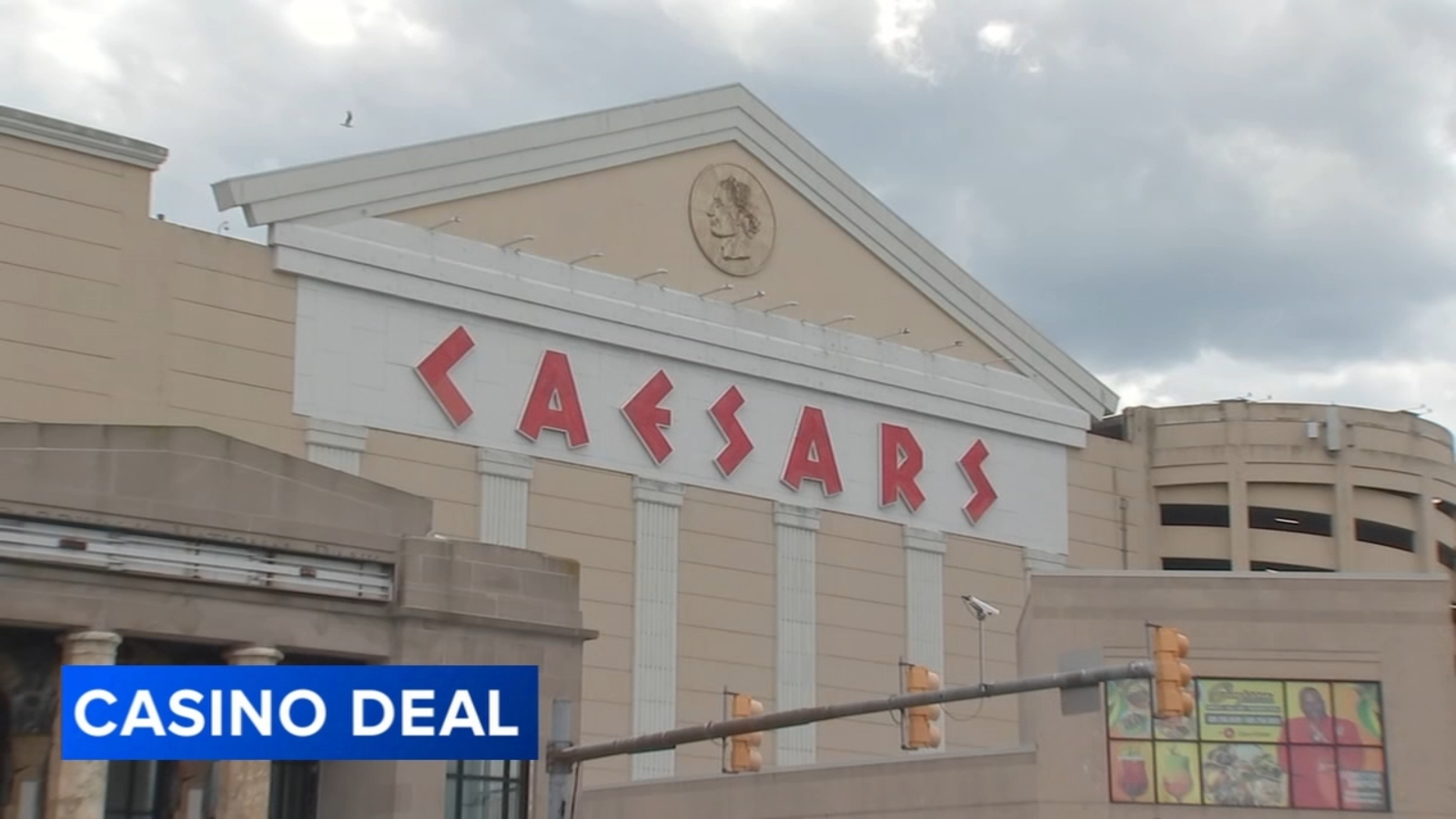
A massive $17.6 billion Atlantic City casino acquisition is on the horizon, and it has the potential to dramatically reshape the city’s gaming landscape. Under the proposed deal, Fertitta Entertainment, the parent company of Golden Nugget, would gain control over four of the city’s nine casinos. This level of market consolidation would mark one of the most significant shifts in Atlantic City’s gambling industry in recent memory, drawing the attention of regulators, economists, workers, and local residents alike.
The Scale of the Proposed Deal
The proposed Atlantic City casino acquisition represents a blockbuster transaction in the U.S. hospitality and gaming sectors. Fertitta Entertainment, led by billionaire Tilman Fertitta, is reportedly in advanced discussions to acquire multiple iconic properties currently operated by Caesars Entertainment. The board of Caesars Entertainment has already approved the transaction and is recommending that shareholders vote in favor of the deal. If finalized, the combined portfolio would establish Fertitta as one of the dominant forces in East Coast gaming.
Industry analysts view this move as part of a broader trend toward casino industry consolidation, where major operators seek to streamline operations, reduce overhead, and strengthen their competitive positioning against emerging markets like sports betting and online gaming platforms.
What Properties Would Change Hands?
Should the deal go through, four well-known Atlantic City properties would fall under the same corporate umbrella:
- Golden Nugget Atlantic City , Already a Fertitta property, the boutique-style casino known for its upscale amenities and loyal customer base.
- Caesars Atlantic City , One of the most recognizable names on the Boardwalk, offering a large gaming floor and entertainment venues.
- Harrah’s Resort Atlantic City , A sprawling resort property catering to a broad demographic of visitors.
- Tropicana Atlantic City , A historic Boardwalk casino with a distinctive tropical theme and extensive hotel capacity.
Together, these four properties represent a significant share of the Atlantic City gaming market, raising immediate questions about how this level of concentration might affect everything from hotel pricing to promotional offers for players.
Regulatory Hurdles Ahead
No major acquisition of this size can proceed without rigorous regulatory review. The proposed deal faces scrutiny from multiple agencies, including the Federal Trade Commission (FTC), the New Jersey Casino Control Commission, and other local Atlantic City authorities. Each will assess whether the merger serves the public interest.
Competition Concerns
One of the most pressing regulatory concerns revolves around market competition. Jane Bokunewicz, a gaming industry expert at Stockton University, noted that anytime a single company controls a large number of properties in a confined geographic area, regulators typically worry about reduced competition. Fewer competing casinos could potentially lead to increased prices for consumers, fewer promotional offers, and diminished incentives to innovate.
The Casino Control Commission will likely require Fertitta Entertainment to demonstrate that the Atlantic City casino acquisition will not unduly harm competition. This may involve commitments to maintaining distinct brand identities, preserving specific market segments, and ensuring that consumer choice is not meaningfully reduced.
Job Security Questions
Beyond competition, job security represents another critical issue. The Atlantic City hospitality workforce is substantial, and any consolidation brings fears of layoffs, restructuring, or operational downsizing. Regulators are expected to probe deeply into how the deal could affect thousands of casino employees across the affected properties.
According to industry observers, Fertitta will need to present a clear plan showing that the merger will either preserve or grow employment opportunities. Past casino mergers in other markets have sometimes resulted in workforce reductions as duplicate roles are eliminated, which could be a concern here given the scale of the proposed consolidation.
Voices from the Atlantic City Community
Local residents have expressed mixed reactions to the news of the potential acquisition. While some view large-scale deals with cautious optimism, others worry about the broader implications for the city’s already fragile economy.
Lisa Wilson, an Atlantic City resident, offered a pragmatic perspective: “They seem like they have enough money to go around; so it is what it is.” Her comment reflects a sentiment shared by some locals who view major corporate operators as having the financial resources needed to weather economic downturns.
Others, however, voiced deeper concerns. Amy Berezin, also of Atlantic City, highlighted the city’s history of economic volatility: “Atlantic City always has had its ups and downs, and hopefully this doesn’t lead to a downturn.” Her words underscore the anxiety many residents feel about the possibility of casinos closing, jobs disappearing, or the city’s tax base shrinking.
These community reactions illustrate the human dimension of a deal that, on paper, looks like a financial transaction but has very real consequences for working families and small businesses throughout the region.
Could Any Casinos Actually Close?
A natural question following any major consolidation is whether some properties will be shuttered. However, according to Bokunewicz, the risk of casino closures may be lower than some residents fear. Each of the brands in the Caesars portfolio , Caesars, Harrah’s, and Tropicana , serves distinct markets and caters to different customer demographics.
As long as each property remains profitable and continues to attract its respective audience, there is little financial incentive to close them. Fertitta has historically demonstrated a willingness to invest in and revitalize underperforming assets, which could actually bode well for some of the properties included in the deal.
That said, nothing is guaranteed. If certain properties underperform post-acquisition, or if operational efficiencies demand consolidation of overlapping services, some risk of restructuring remains on the table.
The Broader Implications for Atlantic City’s Gaming Market
The Atlantic City gaming market has experienced significant transformation over the past decade. After a wave of casino closures during the mid-2010s, the surviving properties have stabilized and even begun to grow again, aided by expanded non-gaming amenities, online sports betting, and renewed tourism marketing.
This latest Atlantic City casino acquisition could either accelerate that recovery or introduce new vulnerabilities. On one hand, a well-capitalized owner with deep industry experience could invest in upgrading facilities, expanding entertainment offerings, and competing more effectively against regional gaming destinations. On the other hand, excessive market concentration could dampen the competitive dynamics that have helped revitalize the city in recent years.
The current Caesars management team is expected to remain in place following the acquisition, which may provide some continuity during the transition period. This stability could help preserve operational momentum while the regulatory review unfolds.
What Happens Next?
The path forward involves several key milestones:
- Shareholder Vote: Caesars Entertainment shareholders must approve the transaction before it can proceed.
- Regulatory Filings: Fertitta Entertainment must file the necessary paperwork with the FTC and the New Jersey Casino Control Commission.
- Public Hearings: Regulators will likely hold hearings to assess competitive impact, labor concerns, and community effects.
- Final Approval: Only after all regulatory hurdles are cleared can the deal officially close.
The process could take several months to a year or more, depending on the complexity of regulatory reviews and any conditions imposed by oversight bodies.
Conclusion
The proposed $17.6 billion Atlantic City casino acquisition represents a watershed moment for the city’s gaming industry. With Fertitta Entertainment poised to control four of the nine casinos, the deal carries enormous potential , both in terms of economic opportunity and in terms of risk. How regulators balance competitive concerns with the interests of workers, consumers, and the broader community will determine whether this consolidation becomes a catalyst for growth or a cautionary tale. For now, Atlantic City residents, employees, and visitors can only watch closely as one of the largest gaming mergers in recent history moves through the approval process.