
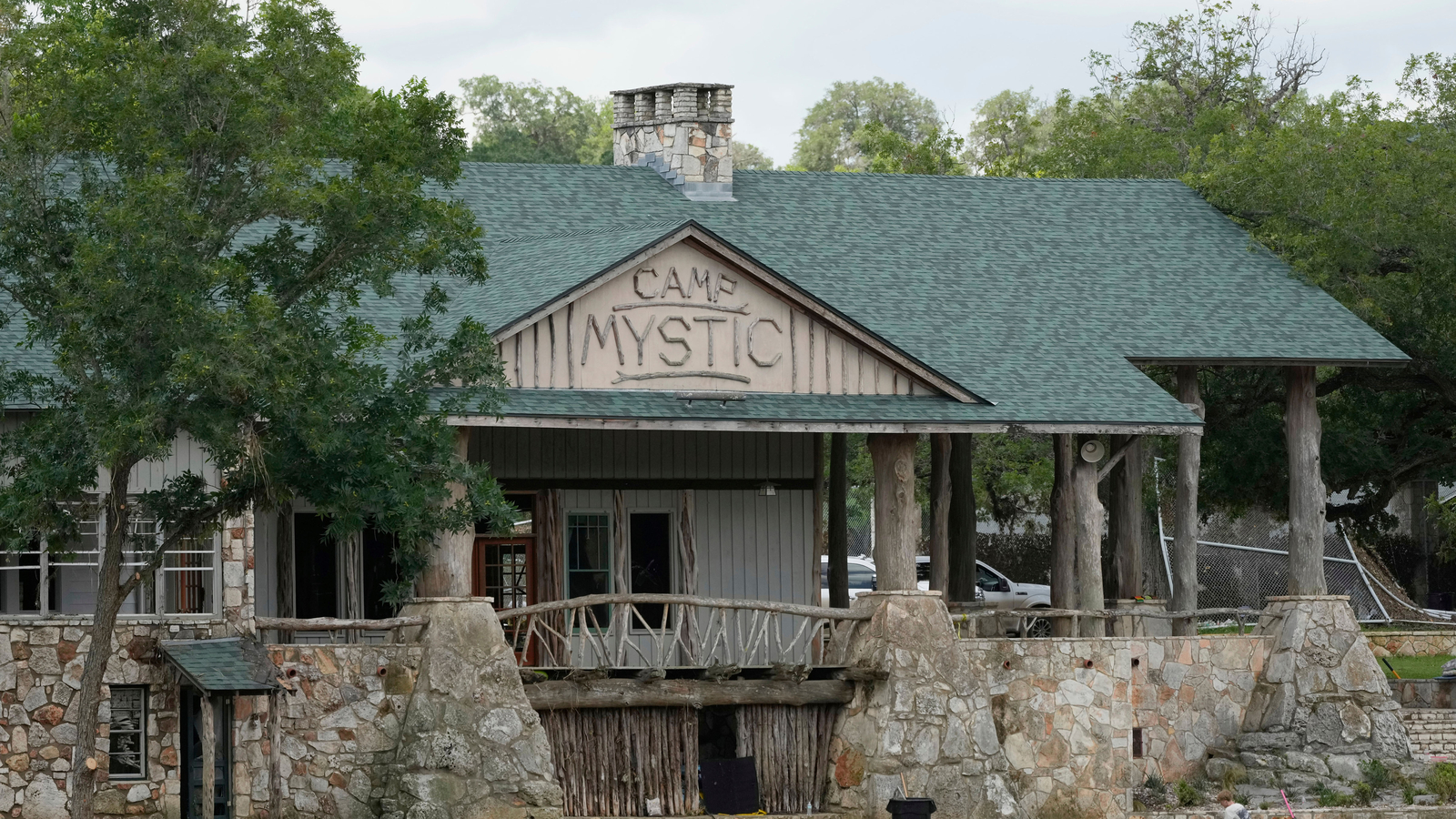
The Camp Mystic closure has become a pivotal moment in discussions about safety, accountability, and the future of youth camps in Texas. After the devastating flash flood along the Guadalupe River in July 2025 that claimed the lives of 25 campers and two teen counselors, Camp Mystic announced it will not reopen for the summer of 2026. The Christian all-girls sleepaway camp made the decision official by withdrawing its application for a summer operating license with the Texas Department of State Health Services, choosing to step back while investigations continue and families remain in mourning.
This decision, while welcomed by some grieving families, has also sparked controversy and raised important questions about responsibility, regulatory oversight, and what it means to prioritize healing over resuming operations.
The Announcement and Its Significance
Camp Mystic informed state health officials on a Thursday that it was withdrawing its application for a summer 2026 camp license. The camp, which had originally intended to welcome more than 800 girls to its Cypress Lake location, stated that no administrative process or summer season should move forward while families continue to grieve, investigations remain ongoing, and so many Texans still carry the emotional weight of last July’s tragedy.
In a formal statement, Camp Mystic explained its reasoning: the organization chose to withdraw its application “rather than risk defending our rights under Texas law in a manner that may unintentionally effect further harm.” The language reflects a careful effort to balance legal rights with public sentiment, acknowledging the gravity of the situation without further inflaming the families affected.
Why Cypress Lake Matters in the Closure Decision
It’s worth noting that Camp Mystic’s Cypress Lake location did not experience any fatalities during the flood. However, the camp’s decision not to reopen affects both of its Texas properties, signaling a broader reckoning with the organization’s role in the tragedy rather than a narrow response tied only to the site of the disaster.
The Tragic Fourth of July Flooding
The Camp Mystic flooding on July 4, 2025, marked one of the worst disasters involving a youth camp in recent memory. Twenty-five campers and two teen counselors lost their lives when rapidly rising waters from a flash flood inundated cabins along the Guadalupe River in the Texas Hill Country. The camp’s director also perished in the disaster.
The flood’s sudden onset left little time for evacuation, and questions quickly emerged about whether more could have been done to prepare. In the months since, investigators have scrutinized emergency protocols, weather monitoring practices, and communication procedures in the hours leading up to the catastrophic event.
Lingering Questions About Flood Warnings
A camp official previously acknowledged that he did not see flood warnings issued the day before the storm hit, an admission that has fueled ongoing scrutiny. The revelation highlighted gaps in how the camp monitored weather conditions and responded to early alerts, raising broader questions about how camps across flash flood-prone regions should be required to prepare for sudden weather events.
Family Reactions: Relief Without Closure
While the announcement of the Camp Mystic closure was met with relief by some, it was not universally accepted as accountability. The parents of 8-year-old Cile Steward, one of the campers whose body has never been recovered after she was swept away in the Guadalupe River, issued a pointed statement following the announcement.
“We are grateful that no child will be placed in the Eastlands’ care this summer,” her parents said, referring to the family that owns the camp. However, they characterized the decision to withdraw the license renewal as “not accountability.” Their statement claimed the move was “not out of respect for our grieving families” and not because the operators “wanted to do the next right thing.” Instead, the parents alleged it was “a calculated exit from a license they were about to lose,” suggesting the Eastland family withdrew their application before the State of Texas could formally revoke it.
The Emotional Weight of an Unrecovered Daughter
The Steward family’s statement reflects a deeper, ongoing pain that administrative decisions cannot fully address. With their daughter’s body still missing, the absence of physical closure compounds the emotional toll of the tragedy. Their vocal advocacy has been instrumental in keeping attention focused on the camp’s actions and the need for systemic changes.
Regulatory Deficiencies and Legal Pressure
The Camp Mystic closure comes on the heels of significant regulatory action. Last week, the Texas Department of State Health Services notified the organization of nearly two dozen deficiencies in the emergency plan outlined in its license application. The department clarified that all camps that had submitted emergency plans received deficiency letters due to statutory changes and increased emergency plan requirements enacted in response to the deadly flooding at Camp Mystic.
This regulatory shift suggests Texas lawmakers and health officials are using the tragedy as a catalyst to strengthen safety standards across the state’s youth camp industry, not just at Camp Mystic.
Calls to Block the License
Families of the flood victims, along with Texas Lt. Gov. Dan Patrick and other officials, had publicly called on the Texas Department of State Health Services to block Camp Mystic’s license for the upcoming summer. Patrick emphasized that the camp should not reopen until the flood was fully investigated and any required corrective actions had been implemented. These public calls likely added pressure that contributed to the camp’s eventual decision to withdraw its application.
Legislative Investigations and Criminal Inquiries
The tragedy has prompted multiple layers of investigation. Earlier this week, the Camp Mystic investigation became the focus of an emotional two-day hearing before Texas lawmakers. Casey Garrett, a Houston attorney hired by the state legislature to investigate the deadly flood, presented a review based on interviews with approximately 150 people, including campers, counselors, the camp’s owners, and the victims’ families.
Garrett’s preliminary findings highlighted inadequate preparation for flood threats. Specifically, the investigation revealed:
- Insufficient training for counselors regarding flood emergencies
- Lack of regular drills for campers on how to respond to rising water
- Communication gaps that may have delayed evacuation decisions
- Possible oversights in monitoring official flood warnings
A written report detailing the full scope of the investigation’s conclusions is anticipated later this year. The Texas Rangers have also opened a criminal investigation of Camp Mystic, according to Lt. Gov. Patrick, adding a legal dimension that could have lasting consequences for the camp and its operators.
A Broader Reckoning for Texas Camps
The Camp Mystic closure represents more than just one camp stepping away from operations for a season. It signals a broader reckoning within the Texas youth camp industry about how facilities prepare for natural disasters, particularly in flood-prone areas like the Texas Hill Country.
The statutory changes and increased emergency plan requirements enacted in the wake of the Texas Hill Country flooding reflect a growing recognition that existing regulations were insufficient to prevent such a tragedy. Other camps in the state are now navigating stricter emergency planning requirements, and the industry as a whole faces increased scrutiny from regulators, lawmakers, and the public.
The Path Forward for Camp Mystic
In its statement, Camp Mystic committed to “continue to fully cooperate with all ongoing investigations, comply with every lawful requirement and continue supporting recovery and healing efforts.” This commitment suggests the organization is preparing for a longer-term process of evaluation, reform, and potential rebuilding of its standing among families, regulators, and the broader Texas community.
Whether Camp Mystic will eventually reopen, and under what conditions, remains uncertain. The criminal investigation, legislative findings, and ongoing emotional wounds from the tragedy will likely shape the organization’s future for years to come.
Conclusion
The Camp Mystic closure marks a somber chapter in Texas history, reflecting both an acknowledgment of unimaginable loss and an attempt to begin the long process of healing. While the camp’s decision to withdraw its license application has provided some families with a sense that their voices have been heard, others view it as an insufficient gesture absent true accountability. With criminal investigations, legislative reviews, and regulatory reforms all in motion, the full consequences of the Fourth of July flood are still unfolding. What is certain is that the tragedy has prompted a critical examination of how youth camps prepare for natural disasters, how regulators oversee their operations, and how communities support families in the aftermath of unimaginable grief. The road ahead will require transparency, meaningful change, and a sustained commitment to ensuring that no other community endures a loss of this magnitude.