
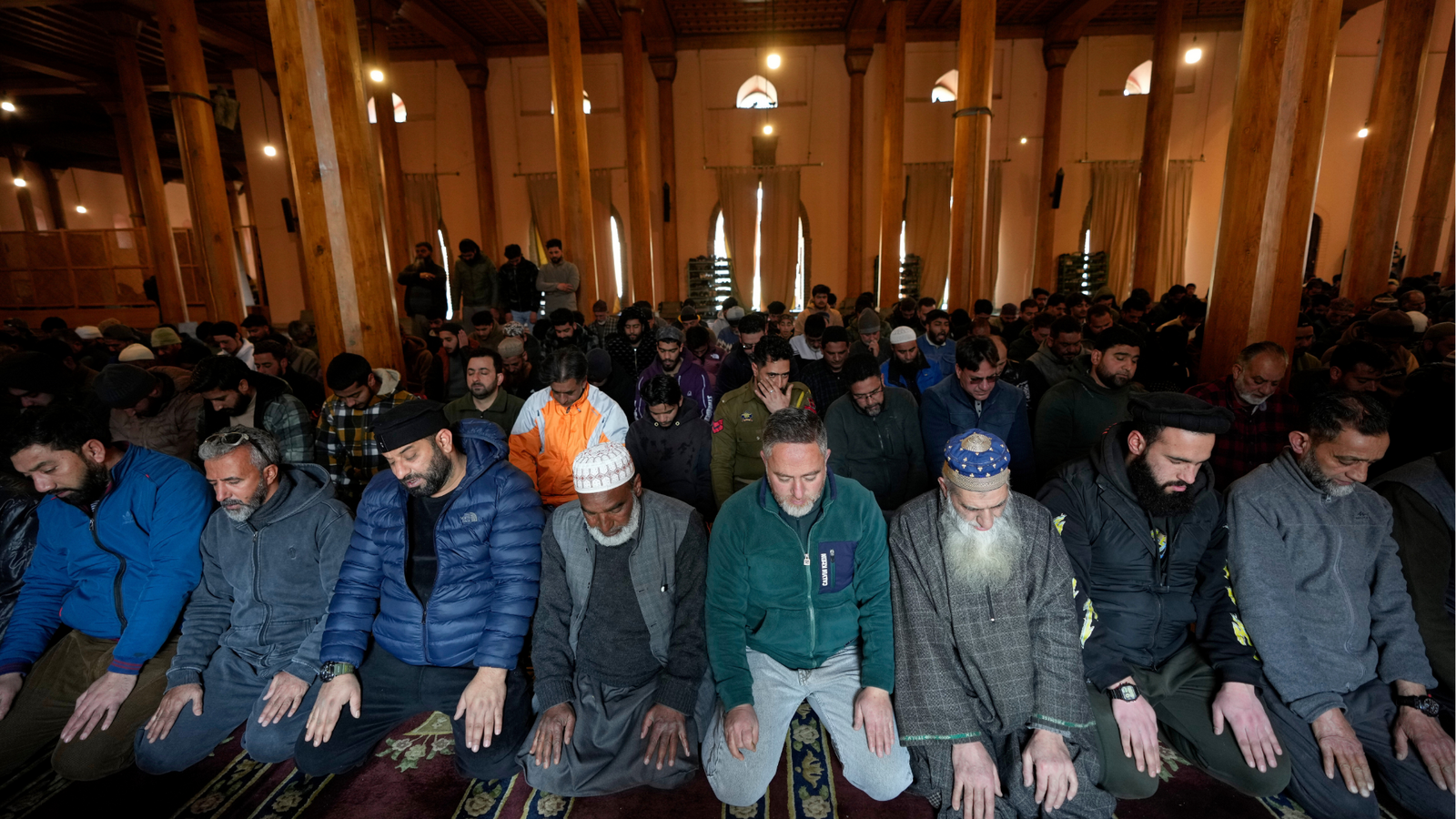
Ramadan fasting traditions form the spiritual heartbeat of the Islamic calendar, bringing together nearly two billion Muslims worldwide in a month of devotion, self-discipline, and community. Observed during the ninth month of the Islamic lunar calendar, this sacred period transforms daily life as practitioners abstain from food and drink from dawn until sunset. Beyond the physical fast, Ramadan is a time of heightened worship, generous giving, and meaningful gatherings that strengthen bonds between family, friends, and neighbors.
The Significance of Ramadan in Islam
Fasting during Ramadan stands as one of the Five Pillars of Islam, the foundational acts of worship that shape a Muslim’s spiritual life. These pillars include the profession of faith, daily prayers, almsgiving, the pilgrimage to Mecca, and fasting during the holy month. Each pillar serves a distinct purpose, but together they create a framework for living a faithful and purposeful life.
For Muslims, the daily fast carries deep spiritual meaning. It is widely regarded as an act of worship that cultivates piety and submission to God. The discipline of going without food and drink teaches self-restraint, while the experience of hunger fosters gratitude for everyday blessings. Perhaps most importantly, fasting creates a profound sense of empathy for those who experience poverty and hunger on a daily basis, motivating charitable action throughout the month.
When Does Ramadan Begin?
Because Islam follows a lunar calendar, Ramadan shifts through the seasons each year, meaning the holy month occasionally falls during long summer days when the fast is longest. The official start depends on the sighting of the crescent moon, a tradition rooted in centuries of practice. When the new moon is spotted , either through direct observation or astronomical calculation , Islamic authorities announce the beginning of the month.
This reliance on moon sighting often leads to slight variations between countries and communities. Some Islamic authorities require physical confirmation of the crescent, while others accept calculated predictions. As a result, Ramadan may begin on different dates in different parts of the world, sometimes spanning two consecutive days.
The Daily Rhythm: Suhoor and Iftar
The structure of each day during Ramadan centers on two meals: one before dawn and one after sunset. Together, suhoor and iftar bookend the daily fast and have become cherished rituals in Muslim households everywhere.
Suhoor: The Pre-Dawn Meal
Before the first light of day, Muslims gather for suhoor, a predawn meal designed to nourish the body for the hours of fasting ahead. This meal typically includes hydrating foods and slow-releasing energy sources such as dates, oats, eggs, and plenty of water. Eating suhoor is considered a blessed practice, and in many Muslim-majority countries, restaurants and markets open in the early hours to accommodate those preparing for their fast.
In Egypt and other parts of the Arab world, a beloved figure known as the mesaharati traditionally roams neighborhoods before dawn, beating a drum and calling out to the faithful , sometimes by name , to wake them in time for suhoor. This charming custom adds a sense of magic to the predawn hours.
Iftar: Breaking the Fast Together
As the sun sets, Muslims break their fast with iftar, a meal that often begins with dates and water, following the prophetic tradition. Communities then gather for larger meals that may include soups, salads, grilled meats, rice dishes, and an array of sweet desserts. Iftar is far more than a meal , it is a celebration of faith, gratitude, and togetherness.
Mosques often host large communal iftars open to all, regardless of background. Families invite friends, neighbors, and colleagues to share the experience, and many workplaces adjust their schedules during Ramadan to allow employees time to break the fast.
Spiritual Practices During the Holy Month
While fasting is the most visible aspect of Ramadan, the month is equally defined by intensified spiritual practice. Muslims devote additional time to prayer, often attending mosques for special taraweeh prayers held each evening after the last daily prayer. Many believers aim to complete a full reading of the Quran, the Muslim holy book, during the month, reading a portion each night.
Personal reflection, supplication, and remembrance of God take on greater significance during Ramadan. The quieter pace of the day, shaped by the physical fast, creates space for introspection and spiritual renewal. It is a period when Muslims seek to draw closer to God through devotion and good deeds.
Charity as a Cornerstone of Ramadan
Generosity flows through every aspect of Ramadan, reflecting the Islamic emphasis on caring for others. Charity during Ramadan takes many forms, from the annual zakat al-fitr , a mandatory charitable donation given before Eid prayers , to spontaneous acts of kindness throughout the month.
One common tradition involves providing iftar meals for those in need. Muslim families, restaurants, and charitable organizations distribute food packages containing pantry staples, dates, juice, and warm meals. Free communal iftar gatherings spring up in cities around the world, ensuring that no one , regardless of financial situation , has to break their fast alone. This spirit of giving extends beyond food, with many Muslims increasing their financial donations and volunteer efforts during the holy month.
Who Is Exempt from Fasting?
Islam recognizes that fasting may not be feasible for everyone. Those who are ill, traveling, pregnant, nursing, or experiencing menstruation are generally exempt from the daily fast. Children are not expected to fast until they reach the age of puberty, though many begin practicing partial fasts from a young age.
Muslims who are temporarily unable to fast are typically required to make up the missed days later in the year once their circumstances change. For those with chronic conditions that prevent fasting entirely, feeding a needy person for each missed day is often offered as an alternative.
Cultural Traditions Across the Muslim World
Muslims represent a remarkably diverse global community, and Ramadan traditions vary beautifully across cultures. While the religious foundations remain constant, local customs add rich layers of meaning to the month’s celebrations.
Festive Traditions in Egypt
In Egypt, Ramadan carries a particularly festive atmosphere. Colorful Ramadan lanterns , known as fanous , dangle from children’s hands and adorn windows, balconies, and shopfronts, transforming cities into glowing wonderlands. Popular Ramadan songs and television specials create a shared cultural experience, and bustling markets come alive with shoppers buying sweets, decorations, and special foods. As mentioned earlier, the mesaharati’s predawn drum beats remain an iconic feature of Egyptian Ramadan.
Diverse Customs in Indonesia
As the world’s largest Muslim-majority country, Indonesia showcases remarkable regional diversity during Ramadan. In the conservative Aceh province, families slaughter animals during Meugang festivities, cooking and sharing the meat with relatives, neighbors, orphans, and the less fortunate. In Tangerang, near Jakarta, hundreds of residents gather at the Cisadane River to wash their hair with rice straw shampoo, performing a symbolic spiritual cleansing to mark the start of the holy month. Across the island of Sumatra, children parade through streets after evening prayers carrying torches and singing Islamic songs.
Muslim Communities in the United States
American Muslims , a racially and ethnically diverse minority , have built their own vibrant Ramadan traditions. Many families gather at mosques and Islamic centers for communal iftar meals and prayers, creating a strong sense of community. Interfaith iftars have also become increasingly popular, bringing Muslims and neighbors of other faiths together to share meals, conversation, and mutual understanding.
Balancing Modernity and Tradition
As Ramadan becomes more visible in global media and commerce, conversations about its evolving character have emerged. Some Muslims express concern that lavish decorations, expensive iftar banquets, and commercial marketing can overshadow the spiritual purpose of the month. Others argue that festive elements, when practiced in moderation, enhance rather than detract from Ramadan’s joyful spirit.
This ongoing dialogue reflects the lived reality of a faith community navigating contemporary life while honoring ancient traditions. The balance between reflection and celebration, simplicity and festivity, continues to shape how Muslims experience Ramadan in the modern world.
Conclusion: The End of Ramadan and Eid al-Fitr
After thirty days of fasting, prayer, and devotion, Ramadan concludes with Eid al-Fitr, a joyful holiday marking the successful completion of the holy month. Muslims gather for special prayers, exchange gifts, visit family and friends, and share festive meals. Children often receive new clothes and monetary gifts, and communities come together in celebration.
The diversity of Ramadan fasting traditions across the globe reveals a faith that is both deeply unified in its core practices and beautifully varied in its cultural expressions. Whether through the quiet devotion of suhoor, the communal joy of iftar, the rhythmic call of the mesaharati, or the glow of lanterns in Egyptian streets, Ramadan offers a powerful reminder of the values that bind the global Muslim community: faith, compassion, gratitude, and unity.