
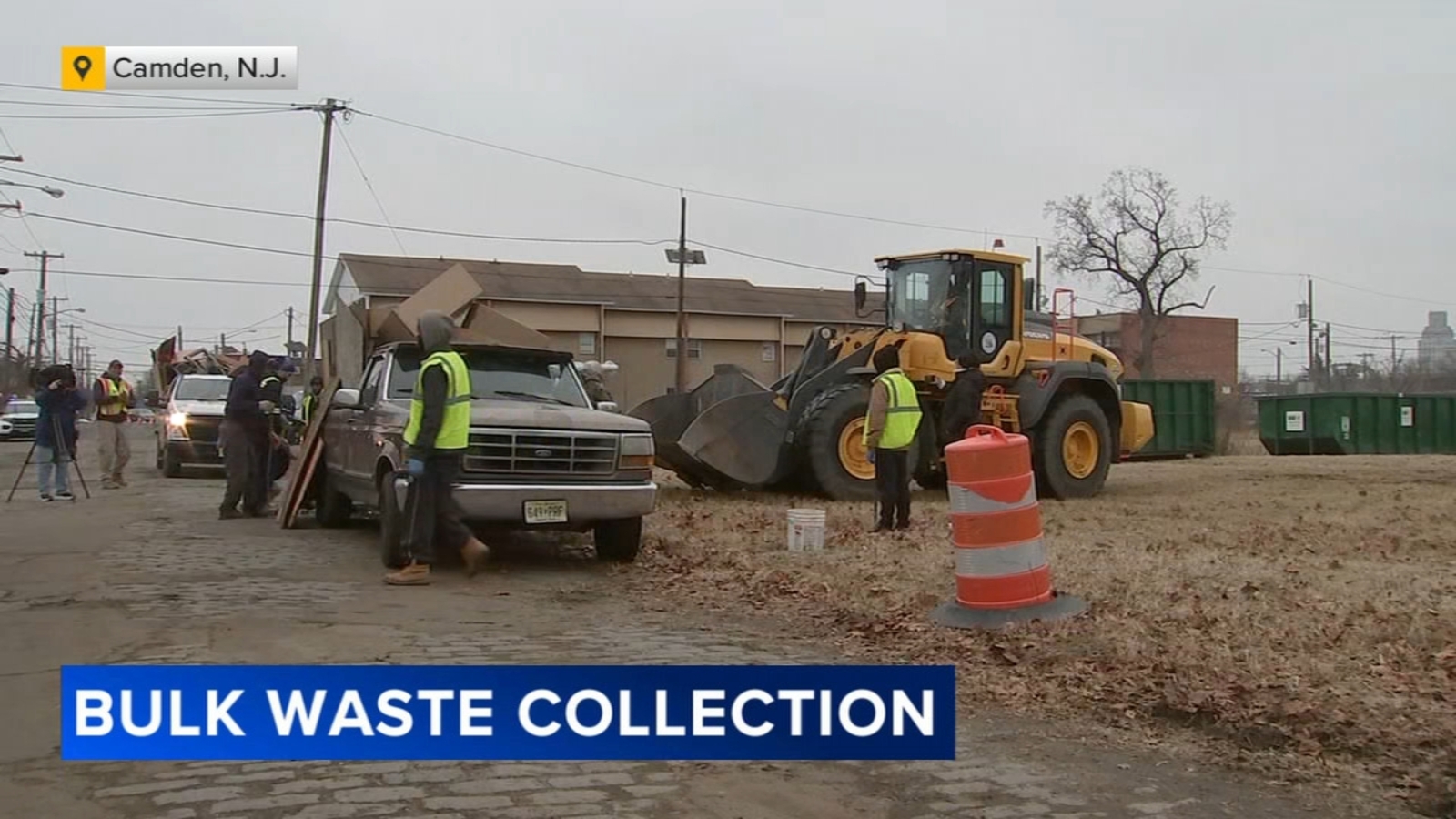
For residents of Camden, New Jersey, getting rid of an old mattress, broken furniture, or piles of household debris just became a whole lot easier. The city has expanded its bulk waste collection program into a recurring, monthly fixture across multiple communities, giving residents a legitimate and convenient way to dispose of large items that too often end up dumped illegally on vacant lots, alleyways, and street corners.
Now in its third year, this proactive cleanup initiative is helping transform how residents manage oversized household waste. Rather than waiting for problems to pile up, Camden is rolling out scheduled drop-off events designed to remove bulky items before they become eyesores and environmental hazards.
The Story Behind Camden’s Cleanup Strategy
Camden, like many older industrial cities in the Northeast, has long struggled with illegal dumping. Abandoned properties, tight residential blocks, and limited access to proper disposal options have historically left residents with few choices when it came to getting rid of broken couches, old appliances, and construction debris.
Recognizing that illegal dumping was undermining neighborhood revitalization efforts, city leaders developed a structured solution: recurring community-based drop-off events where residents could bring bulky items directly to designated sites. The recent event at the intersection of Delaware Avenue and York Street exemplified this approach in action, drawing community members who arrived with everything from worn-out recliners to household renovation debris.
According to city officials, the bulk waste collection events are strategically scheduled throughout the year, rotating between neighborhoods to ensure equitable access for residents in every corner of the city. This rotating model means that no single community bears the burden of repeated cleanup disruption while others go unserved.
A Three-Year Track Record of Progress
Reaching the third year of any municipal initiative is no small accomplishment, particularly for programs that require ongoing funding, staffing, and logistical coordination. The fact that Camden’s bulk waste effort has continued to operate year after year demonstrates both institutional commitment and measurable community demand.
Year one tested the concept. Year two proved the model. Year three has transformed the program into a recognized community resource. Each iteration has likely brought refinements based on lessons learned, feedback from participants, and evolving waste stream challenges.
How the Program Actually Works
Understanding the mechanics of Camden’s bulk waste collection program helps explain why it has gained traction with residents and why other cities might want to study it as a model.
Eligibility and Participation Requirements
To keep the program focused on its core mission of serving the local community, participation is restricted to Camden residents. This requirement helps ensure that resources are deployed where the city has jurisdiction and accountability, while preventing the events from being overwhelmed by out-of-area dumping.
Residents typically need to provide proof of residency, such as a utility bill, driver’s license with a Camden address, or other accepted identification. This step reinforces the program’s intent to be a true neighborhood resource rather than a regional dumping ground.
Accepted Items and Drop-Off Process
Unlike curbside trash pickup, which is designed for small bagged household garbage, bulk waste collection targets the items that don’t fit in a normal bin. Accepted items typically include:
- Furniture such as couches, chairs, tables, and mattresses
- Appliances including refrigerators, washers, and stoves (with special handling for refrigerants)
- Household debris from small DIY projects or decluttering efforts
- Yard waste in reasonable quantities, such as bundled branches
- Other large items that cannot be disposed of through regular collection
Participants generally drive their items directly to the designated drop-off location during scheduled hours. Staff and contracted haulers are on-site to direct traffic, assist with unloading, and ensure that materials are sorted properly for disposal or recycling.
The Connection to Camden Strong
Camden’s bulk waste collection program doesn’t operate in isolation. It is a key tactical piece of Mayor Carstarphen’s broader Camden Strong initiative, which launched in June 2021 with the explicit goal of improving residents’ quality of life.
Camden Strong represents a comprehensive strategy touching multiple areas of city governance, including public safety, housing, economic development, and environmental health. The bulk waste collection events fall within the environmental and neighborhood quality pillars of that strategy.
By tying the cleanup program to a recognizable umbrella brand, the city has created a unified narrative around revitalization. Residents don’t just see a one-off cleanup; they see part of a deliberate, ongoing transformation effort. This framing matters for community engagement and long-term buy-in.
The Real Impact: Why Bulk Waste Collection Matters
Some might dismiss a monthly cleanup event as a small municipal service. In reality, programs like Camden’s address several interconnected problems at once.
Reducing Illegal Dumping at the Source
The most direct benefit of scheduled bulk waste collection is the reduction of illegal dumping. When residents have a free, convenient, and legal way to dispose of bulky items, the temptation to abandon them on vacant lots, behind buildings, or along roadways decreases dramatically.
Illegal dumping isn’t just an aesthetic problem. It creates public health hazards, attracts pests, lowers property values, and signals disorder that can accelerate neighborhood decline. By offering a legitimate alternative, Camden is essentially removing the excuse that often drives illegal dumping in the first place.
Strengthening Community Pride and Engagement
Cleanup events do more than remove trash. They bring neighbors out of their homes, create visible improvements to shared spaces, and reinforce the message that residents care about where they live. That kind of collective action builds social capital that pays dividends far beyond the tonnage of waste removed.
When residents see a vacant lot cleared of dumped furniture or watch a street corner get cleaned up, it changes the conversation from “this neighborhood is forgotten” to “this neighborhood is being invested in.” That psychological shift is foundational to broader community revitalization.
Supporting Environmental Sustainability
Proper bulk waste disposal also has an environmental dimension. When items are collected through organized events, they can be sorted for recycling, donation, or proper disposal rather than being left to leach chemicals into soil and waterways. Mattresses, for example, contain recyclable steel, foam, and fabric that can be diverted from landfills when processed correctly.
Appliances with refrigerants require specialized handling to prevent harmful emissions. Channeling these items through a structured collection process ensures they’re managed responsibly.
Lessons Other Cities Can Learn from Camden
Municipal leaders watching Camden’s program can extract several practical lessons for their own communities.
Make Disposal Convenient and Predictable
One-time cleanup days are useful, but residents need predictable options they can plan around. Monthly events create a rhythm that residents can build into their household routines, whether they’re planning a spring cleaning, finishing a renovation, or replacing old furniture.
Rotate Locations to Maximize Equity
By holding events in different neighborhoods rather than at one central site, Camden ensures that residents across the city have equal access. A single permanent drop-off location would create transportation barriers for those without vehicles or those living on the opposite side of town.
Tie Operations to a Larger Vision
Connecting bulk waste collection to a broader initiative like Camden Strong gives the program strategic weight. It’s not just about hauling trash; it’s about building a stronger city. That narrative matters when seeking funding, political support, and community participation.
Verify Residency to Protect Resources
While some might see residency requirements as exclusionary, they serve an important function: ensuring that municipal services funded by Camden taxpayers benefit Camden residents. This safeguard helps preserve the program’s integrity and sustainability.
Looking Ahead: The Future of Community-Led Cleanup
As Camden’s bulk waste collection program moves beyond its third year, opportunities for growth and refinement remain. Expanded recycling streams, partnerships with local nonprofits for item donation, and integration with broader smart-city initiatives could all build on the existing foundation.
The fundamental insight driving the program is simple but powerful: illegal dumping flourishes where legitimate disposal options are scarce or inconvenient. Camden is proving that the inverse is equally true. When cities invest in regular, accessible bulk waste collection, neighborhoods become cleaner, residents feel more empowered, and the cycle of dumping and decline can be broken.
Conclusion: A Small Program with a Big Impact
Camden’s monthly bulk waste collection events may not generate headlines the way major economic development projects do, but they represent exactly the kind of consistent, on-the-ground municipal work that transforms cities over time. By giving residents a reliable way to dispose of bulky items, the program tackles illegal dumping at its root while supporting the broader Camden Strong vision for a cleaner, stronger, more vibrant city.
For residents tired of seeing dumped couches on their blocks, for city leaders searching for practical revitalization tools, and for other municipalities considering their own cleanup strategies, Camden offers a compelling case study: when local government listens to community needs and responds with practical solutions, the results speak for themselves, one cleared lot at a time.