
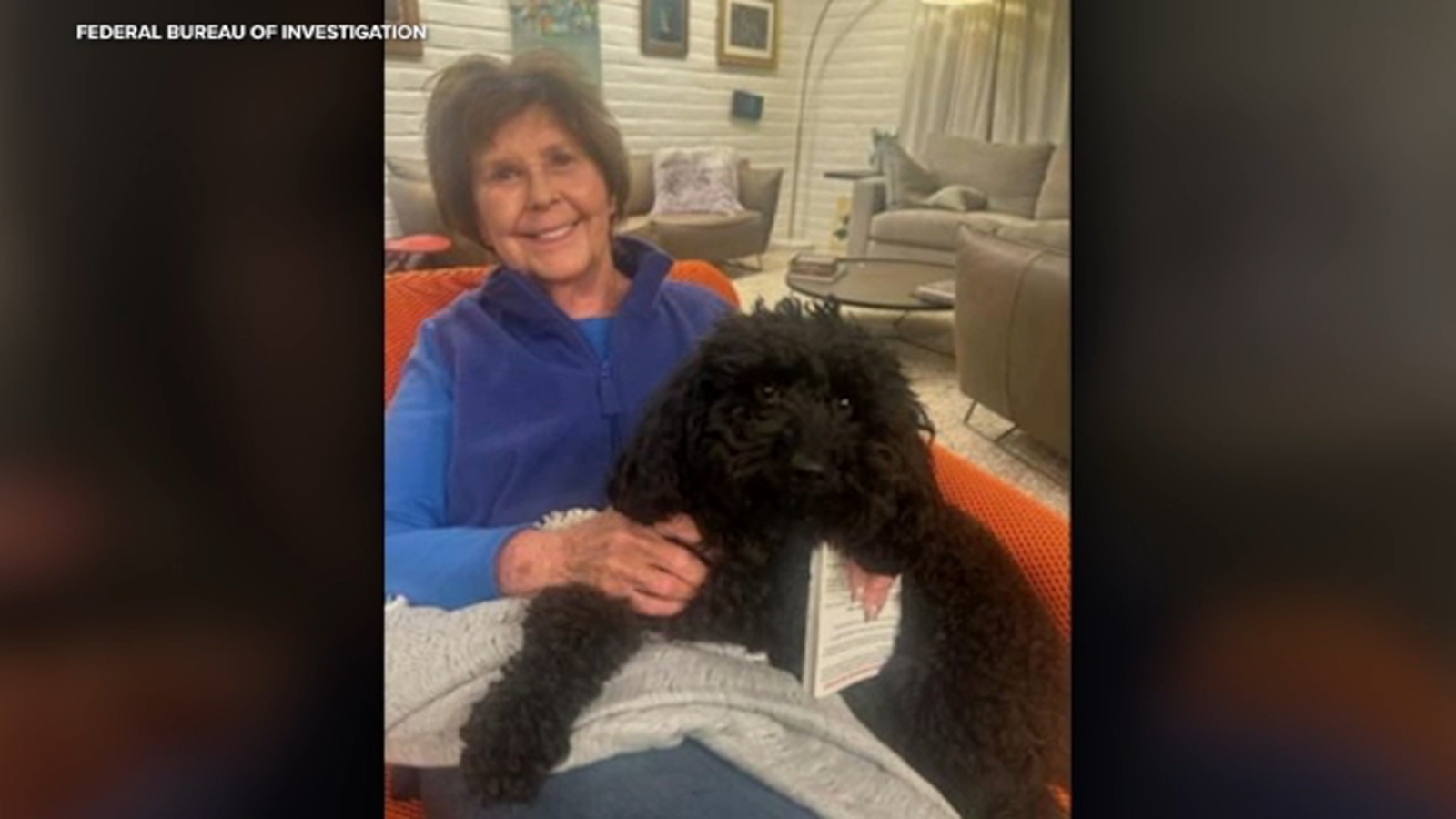
In a striking development tied to the ongoing search for missing Arizona woman Nancy Guthrie, a federal bitcoin ransom arrest has been made in Torrance, California. Authorities confirmed that Derrick Callella faces federal charges after allegedly sending text messages to members of the Guthrie family demanding cryptocurrency payment , messages that surfaced during one of the most high-profile missing person investigations in recent memory.
Background: The Disappearance of Nancy Guthrie
Nancy Guthrie, the 84-year-old mother of NBC News TODAY co-anchor Savannah Guthrie, was last seen at her home in the Tucson, Arizona area and is believed to have been abducted in the early hours of a Sunday morning. The case quickly drew national attention as Savannah Guthrie and her siblings made emotional public appeals for information regarding their mother’s whereabouts.
No suspect or person of interest has been publicly identified in connection with the actual disappearance. Instead, investigators have focused their efforts on following digital breadcrumbs left behind in the days following Nancy Guthrie’s disappearance, including ransom communications sent to media outlets and directly to the family.
Family’s Heartfelt Public Appeal
Before news of the arrest broke, Savannah Guthrie released a video alongside her siblings in which she addressed the kidnappers directly. Speaking with composure but visible emotion, she said, “We are ready to talk. However, we live in a world where voices and images are easily manipulated. We need to know without a doubt that she is alive and that you have her.” Her message underscored both the family’s desperation and their caution in an era of deepfakes and AI-generated deception.
The Bitcoin Ransom Arrest in Torrance
According to a federal complaint, Derrick Callella allegedly sent text messages to Nancy Guthrie’s daughter and son-in-law on a Wednesday, just days after the disappearance. The messages reportedly read: “Did you get the bitcoin were waiting on our end for the transaction.”
The timing raised immediate red flags for investigators. The texts arrived shortly after a Tucson-area media outlet received a ransom demand that included a Bitcoin wallet address for payment. They also came just hours after the Guthrie children had posted their emotional video online pleading for contact from whoever was holding their mother.
Who Is Derrick Callella?
Derrick Callella, a man residing in Torrance, California, became the subject of a swift federal investigation once his digital trail was uncovered. According to the complaint, Callella allegedly used a third-party application to generate a fake phone number before sending the messages. When authorities traced the account used to send the texts, they discovered it was linked to an email address associated with Callella.
After being read his Miranda rights, Callella reportedly admitted to sending the messages. However, his stated motivation may be the most unusual element of the case. According to the federal complaint, Callella claimed “he was trying to see if the family would respond” , essentially testing the waters to see whether the Guthrie family would engage with anyone posing as a kidnapper.
Not Connected to the Original Ransom Demand
Perhaps the most important detail to emerge from the federal complaint is that Callella is not believed to be linked to the original Bitcoin ransom demand sent to the Tucson media outlet. This distinction is critical: it means investigators are still pursuing unknown individuals who may be behind the actual extortion attempt, while Callella faces charges for an opportunistic scheme of his own.
Federal Charges Filed in the Case
The complaint charges Callella with transmitting a demand for ransom and with intending to abuse, threaten, or harass another individual using a telecommunication device. These charges reflect federal authorities’ increasing focus on digital communications as a tool for criminal exploitation during high-profile emergencies.
Why Federal Jurisdiction?
Because the case involves interstate communications and cryptocurrency transactions, federal authorities stepped in to handle the prosecution. The FBI’s involvement highlights how modern criminal activity often crosses state lines in a matter of seconds, requiring federal resources to track and prosecute offenders.
FBI Issues Stern Warning to Imposters
FBI Special Agent in Charge Heith Janke did not mince words following Callella’s arrest. In a public statement, Janke addressed the broader category of opportunistic criminals attempting to profit from the tragedy.
“To those imposters who are trying to take advantage and profit from this situation, we will investigate and ensure you are held accountable for your actions,” Janke said. The warning serves as a clear message that federal authorities view these crimes as serious offenses deserving of aggressive prosecution.
The Family’s Decision on Ransom
Janke also clarified a key point that often arises during kidnapping cases: the decision to pay any ransom ultimately rests with the family. In cases involving cryptocurrency demands, the irreversible nature of Bitcoin transactions makes this choice even more consequential, as payments cannot be reversed once sent.
Broader Implications of the Case
The bitcoin ransom arrest in this case highlights a troubling pattern: when a high-profile missing person case captures national attention, bad actors frequently emerge hoping to cash in on the family’s anguish. From fake ransom demands to fraudulent social media fundraising campaigns, these scams exploit emotional vulnerability at the worst possible moment.
The Role of Technology in Modern Kidnapping Cases
This case also illustrates the dual-edged nature of modern technology. While digital tools like fake phone number apps and cryptocurrency offer anonymity to legitimate bad actors, they also leave digital footprints that skilled investigators can follow. The arrest of Callella demonstrates that law enforcement’s ability to trace digital communications has advanced considerably, even when suspects attempt to mask their identities.
What Happens Next
As the federal case against Derrick Callella moves forward, authorities continue their parallel investigation into the actual disappearance of Nancy Guthrie. The Guthrie family remains in public appeal mode, hoping that whoever is responsible for their mother’s disappearance will make direct contact and provide proof of life.
The arrest sends a strong signal to anyone considering similar schemes: federal authorities are monitoring communications closely and will pursue charges against anyone attempting to exploit these circumstances. For the Guthrie family, the arrest at least removes one predatory element from an already painful situation, even as the search for their mother continues.
Conclusion
The bitcoin ransom arrest of Derrick Callella represents both a small victory for law enforcement and a sobering reminder of how criminals attempt to monetize tragedy. While Callella is not believed to be connected to the original ransom demand or to Nancy Guthrie’s actual disappearance, his arrest demonstrates that federal investigators are working around the clock to protect the family from further exploitation. As the Guthrie family waits for news about their beloved mother, the case stands as a powerful example of how digital age crimes carry real-world consequences , and how quickly authorities can move when digital evidence is properly pursued.