
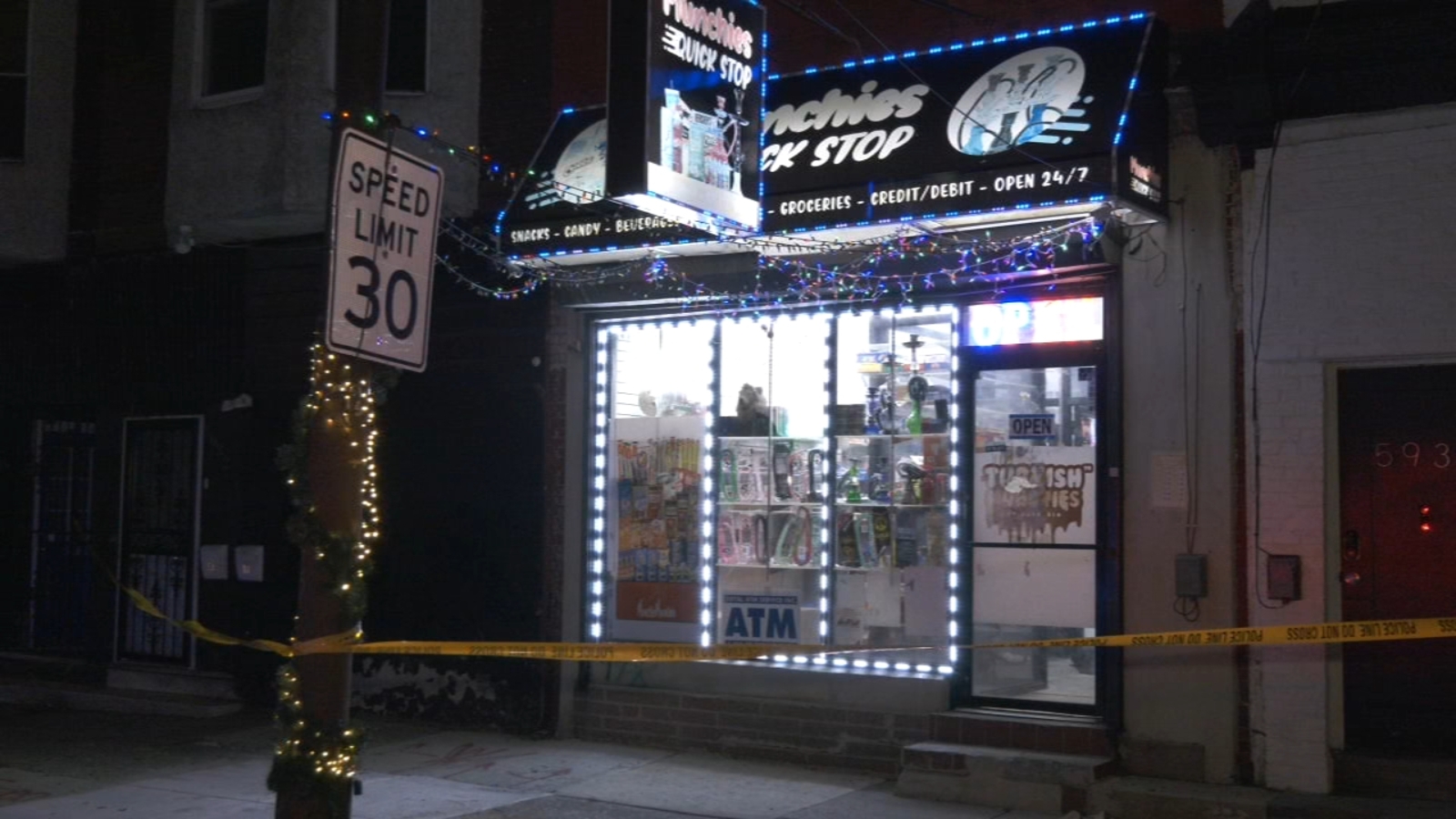
In the quiet hours after midnight, a routine visit to a neighborhood convenience store shooting turned violent in West Philadelphia, leaving a 65-year-old man with serious injuries. The incident, which occurred at Munchies Quick Stop on Haverford Avenue, has reignited concerns about gun violence affecting everyday businesses and the vulnerable community members who rely on them. As investigators work to piece together what happened, residents and local leaders are once more grappling with questions about public safety in their neighborhoods.
The Incident at Munchies Quick Stop
According to Philadelphia police, the shooting unfolded shortly after midnight on Monday inside the Munchies Quick Stop convenience store located on Haverford Avenue in the West Philadelphia corridor. The victim, a 65-year-old man, was struck by gunfire and suffered a wound to the shoulder. Emergency responders transported him to a nearby hospital, where he was listed in serious condition following the attack.
At this stage, investigators have not released information about a potential suspect or the motive behind the shooting. The lack of details has left neighbors uneasy, particularly because the establishment is a familiar fixture in the community, frequented by residents seeking late-night essentials. Detectives from the Philadelphia Police Department’s homicide and assault units are actively canvassing the area, reviewing surveillance footage, and interviewing potential witnesses in hopes of identifying whoever is responsible.
What We Know So Far
- Location: Munchies Quick Stop, Haverford Avenue, West Philadelphia
- Date and Time: Approximately midnight, Monday
- Victim: 65-year-old male, shot in the shoulder
- Condition: Serious but stable, per early reports
- Suspect: Unknown at the time of writing
- Motive: Under investigation
The Broader Context of Convenience Store Violence
Unfortunately, this incident is far from an anomaly. Convenience stores across urban centers have long been identified as locations where violent crime can occur, often because of their extended operating hours, cash-based transactions, and visibility as accessible retail spaces. In cities like Philadelphia, the challenge of ensuring safety at these establishments has been a persistent issue for both business owners and law enforcement.
Research into retail crime patterns consistently shows that small businesses operating late-night hours face heightened risk factors. These include the potential for armed robbery, disputes between customers, and the unintended spillover of violence from nearby areas. For many Philadelphia neighborhoods, the local corner store serves as more than just a place to buy snacks and toiletries , it is a community hub, a place where neighbors exchange greetings and where vulnerable residents often feel comfortable stopping by regardless of the hour.
Why Convenience Stores Are Vulnerable
Several factors contribute to why these businesses often become scenes of gun violence:
- Cash-heavy operations , Many convenience stores handle significant amounts of cash during late-night hours, making them targets for robbery attempts.
- Extended operating hours , Unlike most retail establishments, convenience stores are open 24/7 in many cases, increasing their exposure to crime during overnight periods.
- Limited security infrastructure , Smaller, independently owned shops often lack the resources for professional security guards or advanced surveillance systems.
- High foot traffic in urban areas , In dense neighborhoods, these stores see a steady stream of customers, including some who may have criminal intentions.
- Proximity to other crime hotspots , Convenience stores are frequently located near intersections or transit hubs that may experience elevated crime activity.
Community Impact and Response
For residents of West Philadelphia, the convenience store shooting has stirred familiar anxieties. The neighborhood has experienced its share of violent incidents in recent years, and local advocacy groups have repeatedly called for greater investment in community-based safety initiatives. When incidents like this one occur, the ripple effect extends beyond the immediate victim and the establishment itself.
Small business owners in the area often express concern about how a high-profile violent incident affects their livelihoods. Customers may hesitate to visit even unrelated stores out of fear, and employees can feel increasingly unsafe on the job. The psychological toll on the broader community should not be underestimated either, particularly among elderly residents who already face heightened vulnerability when navigating urban environments after dark.
The Vulnerability of Older Victims
The fact that the victim in this case was 65 years old adds another layer of concern. Older adults are statistically more likely to suffer serious complications from gunshot wounds, even when the injuries are not immediately life-threatening. Recovery times tend to be longer, and the emotional trauma of being a victim of gun crime can be especially profound. Community advocates emphasize that violence prevention strategies must specifically account for the protection of senior citizens, who often find themselves caught in the crossfire of disputes that may have nothing to do with them personally.
Ongoing Investigation and Calls for Information
Philadelphia police are urging anyone with information about the shooting to come forward. Tips can be submitted anonymously through the department’s hotline or through community tip lines. Surveillance video from the store itself, as well as from neighboring properties, is expected to play a critical role in identifying the shooter.
In addition to the criminal investigation, the incident is likely to spark renewed calls from elected officials and community leaders for policy interventions. These may include enhanced funding for violence prevention programs, investments in neighborhood safety infrastructure, and outreach efforts aimed at addressing the root causes of gun violence in Philadelphia’s urban corridors.
How Residents Can Help
Community members who want to contribute to public safety efforts can take several practical steps:
- Report suspicious activity , Even seemingly minor observations can provide crucial leads for investigators.
- Support local violence prevention organizations , Groups working in West Philadelphia depend on community engagement and donations.
- Advocate for policy changes , Contacting local representatives about gun violence prevention measures can help drive systemic change.
- Check on elderly neighbors , Older residents benefit from community awareness and check-ins, especially following traumatic local events.
- Participate in neighborhood watch programs , Organized community involvement can deter criminal activity and build stronger neighborhood bonds.
Looking Ahead
The aftermath of this convenience store shooting will likely unfold over weeks and months as investigators pursue leads and the victim continues his recovery. For now, the West Philadelphia community is left to process yet another unsettling reminder that gun violence remains a persistent threat in everyday spaces. The shooting at Munchies Quick Stop underscores the urgent need for comprehensive approaches that combine law enforcement, community engagement, and policy reform.
Whether this particular case leads to an arrest will depend largely on the cooperation of witnesses and the quality of available evidence. In the meantime, local advocates continue to emphasize that real progress against gun violence requires sustained effort, adequate resources, and a collective commitment from every level of society. As the victim fights to recover from his injuries, the broader community stands united in its call for justice and lasting change.