
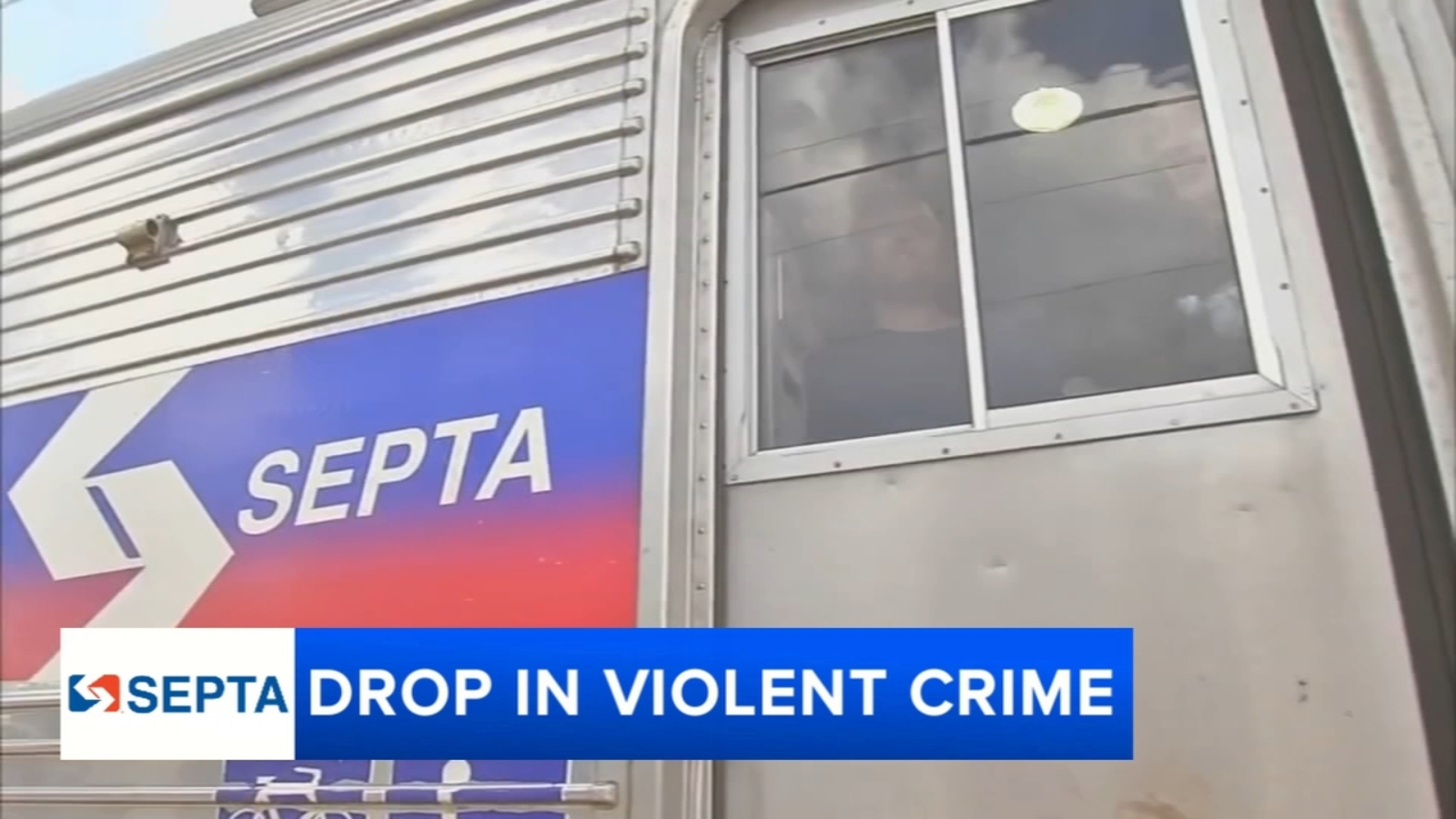
In a year marked by numerous challenges, Philadelphia’s regional transit system has recorded a remarkable achievement. According to a newly released transit agency report, serious SEPTA crime drop figures for 2025 have reached their lowest point in over ten years. This encouraging trend signals meaningful progress in transit safety across the city’s buses, trains, and trolleys, offering reassurance to the thousands of daily riders who depend on the system for their commute, errands, and travel needs. The agency’s latest data reflects a coordinated, multi-layered strategy combining staffing increases, technological upgrades, and targeted enforcement of quality-of-life violations.
A Closer Look at the 2025 Crime Statistics
The numbers released by SEPTA paint a picture of sustained improvement rather than a one-time fluctuation. Serious crimes across the system declined by 6% compared to the previous year, marking the lowest level recorded in a full decade. Perhaps even more striking, gun violence incidents fell by a dramatic 33%, representing one of the most significant year-over-year improvements in this dangerous category. Seven out of eight major crime categories tracked by the agency saw measurable decreases, including notable declines in aggravated assaults and thefts.
Despite these broadly positive results, the report does include one area of concern. Robberies were the sole major crime category to register an increase year over year. Agency leadership has acknowledged this trend and indicated that adjustments to enforcement strategies will be made as patterns continue to evolve. Still, the overall direction remains firmly downward, and officials expressed confidence that the current approach is producing tangible benefits for riders across the region.
What Drove the Improvement?
SEPTA officials attribute the dramatic shift to three interconnected pillars: an expanded police force, new technology investments, and more aggressive enforcement of minor violations that often escalate into more serious incidents. The agency has steadily rebuilt and grown its transit police presence since the pandemic-era lows, when staffing shortages coincided with spikes in disorder across many urban transit networks nationwide.
Beyond raw staffing numbers, the department has emphasized strategic deployment and visible officer presence as core components of its crime-reduction philosophy. Deputy Chief Jim Zuggi of SEPTA Transit Police summarized the department’s stance plainly: those who commit crimes on SEPTA property will be tracked and held accountable, regardless of where they reside.
Fare Evasion Enforcement and the Push for Fare Gate Upgrades
One of the most visible enforcement shifts involves fare evasion citations, which surged 48% overall during 2025. The agency issued roughly 17,000 quality-of-life tickets throughout the year, with nearly half of those , about 8,400 , stemming directly from fare evasion incidents. This aggressive approach reflects growing recognition among transit leaders nationwide that fare evasion is frequently linked to broader disorder and more serious criminal activity.
To complement these enforcement measures, SEPTA remains on track to install more than 200 full-height fare gates across 14 stations by the summer of 2026. These full-height turnstiles represent a significant physical barrier compared to traditional fare boxes and are widely regarded in the transit industry as one of the most effective tools for reducing fare evasion while simultaneously limiting unauthorized access to platforms and trains.
Why Fare Evasion Matters Beyond Lost Revenue
While the immediate financial impact of fare evasion matters, transit officials have framed the issue as fundamentally a public safety concern. Riders who bypass fare gates often create entry points for individuals who may intend to commit other crimes, loiter, or cause disruptions on trains and platforms. By tightening access controls through both personnel and infrastructure, SEPTA aims to create layered defenses that deter would-be offenders before incidents occur.
The message from leadership has been consistent and direct: anyone choosing to evade fares or engage in disorderly conduct on the system should expect to encounter a uniformed officer and receive clear expectations about acceptable behavior.
Reaching Vulnerable Populations Through Outreach
Beyond traditional enforcement, SEPTA has continued investing in outreach programs targeting three groups that frequently intersect with the transit system: juveniles, people experiencing homelessness, and individuals living with mental illness. Deputy Chief Zuggi identified these populations as key focus areas for ongoing engagement efforts rather than purely punitive responses.
This dual approach recognizes that some of the most persistent safety challenges on public transit stem from broader social issues that cannot be solved through citations and arrests alone. Outreach workers, social service referrals, and partnerships with community organizations all play a role in addressing root causes while maintaining order on trains and at stations.
Rider Perspectives: Mixed but Cautiously Optimistic
While the agency data tells a positive story, the lived experiences of riders remain more varied. Across conversations with passengers throughout Philadelphia, opinions on safety tended to split along familiar lines, often depending on the specific routes traveled, the times of day, and individual circumstances.
One Overbrook rider, Marie Gunderman, characterized her sense of security as roughly even: it depends on the areas traveled and individual perspectives, suggesting that geographic variation within the system continues to influence how safe riders feel in any given moment.
Princess Bond of North Philadelphia offered a more faith-grounded perspective, noting that she tries to mind her own business and expressing confidence that the recent crime statistics reflect reality , at least outside of late-night hours. Her experience suggested that daytime travel on the system feels reasonably safe, while acknowledging that overnight periods remain a concern for many.
Infrastructure improvements also appear to be boosting rider confidence. The newly opened Wissahickon Transit Center was specifically cited as a confidence-builder, with North Philadelphia resident Neferteri Raynor sharing that the upgraded facilities make her feel better and even proud about boarding the bus , a powerful endorsement of investment in rider experience and station environments.
The Broader Context of Transit Safety
SEPTA’s progress comes against a backdrop of national conversations about urban transit safety, particularly in the wake of pandemic-era disruptions that affected systems across the country. Ridership patterns shifted dramatically during 2020 and 2021, and many agencies continue working to restore both passenger numbers and public trust. The fact that SEPTA crime drop metrics have reached their best level in a decade suggests the agency is navigating this recovery period more effectively than many of its peers.
The combination of staffing growth, targeted enforcement, technological investment, and infrastructure modernization offers a potential roadmap for other transit systems facing similar challenges. While no single intervention explains the entire trend, the layered approach appears to be reinforcing itself , officers are more visible, fare evasion is harder to commit, and violent incidents have declined meaningfully across most categories.
What to Watch Going Forward
Looking ahead, several developments will be worth monitoring closely. The full deployment of fare gates across the 14 stations by summer will provide additional data on whether physical barriers produce sustained reductions in fare evasion and associated disorder. Meanwhile, the uptick in robberies , the one category moving in the wrong direction , will likely receive focused attention from the transit police and may prompt tactical adjustments in deployment patterns or investigative resources.
Rider sentiment will also continue to evolve as conditions change, and agency leaders have signaled their intent to remain flexible, adjusting strategies as new trends emerge rather than relying on any single approach indefinitely. This adaptive mindset could prove critical to maintaining the gains achieved during 2025.
Conclusion
The 2025 SEPTA crime data represents a genuine milestone for Philadelphia’s transit system. With serious crimes falling to their lowest level in a decade, gun violence down by a third, and broad-based improvements across most crime categories, the agency’s investment in personnel, technology, and enforcement is producing measurable results. While challenges remain , particularly the rise in robberies and the continued need to address fare evasion , the overall trajectory points firmly in the right direction. For the millions of riders who depend on SEPTA each year, these statistics offer meaningful reassurance that the system is becoming safer, while also highlighting the importance of sustained commitment to the strategies that made this SEPTA crime drop possible. As infrastructure upgrades continue and outreach programs expand, Philadelphia’s transit system appears well-positioned to build on this progress in the years ahead.