
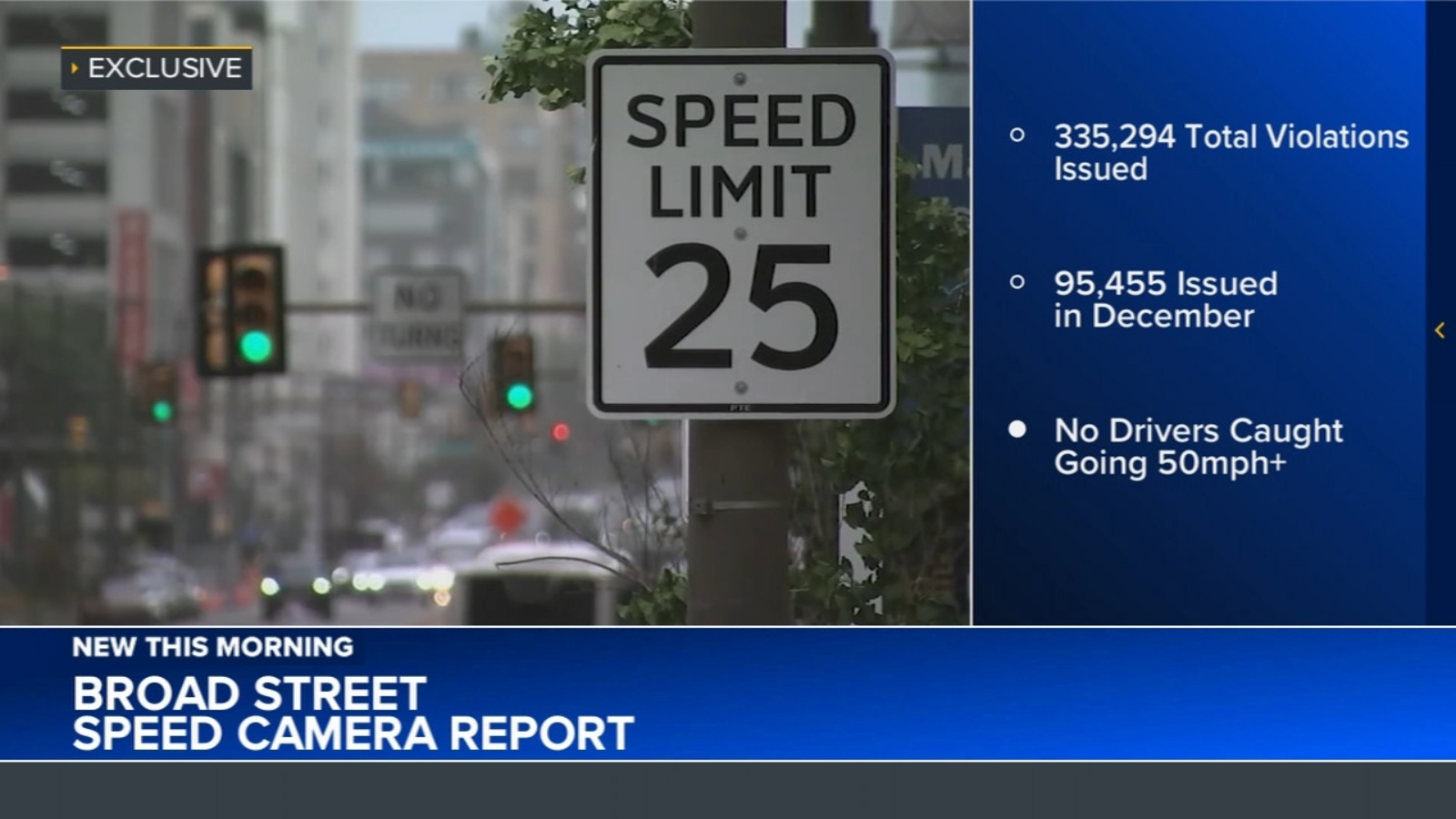
If you’ve driven along Broad Street in Philadelphia recently, you may have noticed the network of speed cameras silently monitoring your every move. Since broad street speed cameras went live last November, more than 330,000 drivers have been caught and ticketed for speeding along one of the city’s most heavily traveled corridors. A newly released annual report from the Philadelphia Parking Authority (PPA) sheds light on the scope of this enforcement effort, the patterns of violations, and even an embarrassing signage mistake that led to dismissed tickets and refunded fines.
The Launch of Broad Street Speed Camera Enforcement
Philadelphia joined a growing list of American cities turning to automated enforcement when it activated its broad street speed cameras in November of the previous year. The program placed cameras at 15 strategic locations along the busy north-south artery, a roadway that cuts through the heart of the city and carries tens of thousands of vehicles daily.
City officials framed the rollout as a public safety initiative, designed to reduce speeding-related crashes, injuries, and fatalities. Broad Street’s combination of dense traffic, frequent intersections, and pedestrian activity made it a logical candidate for enhanced speed enforcement. The cameras work around the clock, capturing the speed of every passing vehicle and flagging those that exceed the threshold for a citation.
How the Cameras Work
The system is straightforward but unforgiving. Drivers traveling more than 11 miles per hour over the posted speed limit receive an automatic fine, with the base penalty starting at $100. The posted speed limit along most of Broad Street is 25 mph, which means a driver going just 37 mph could find a citation in their mailbox. The cameras do not require a police officer to witness the violation, and they operate continuously, day and night.
This automated approach removes the element of human discretion from speed enforcement. Whether it’s 3 a.m. on a quiet Sunday morning or rush hour on a Wednesday afternoon, the cameras treat every violation the same way.
By the Numbers: 330,000 Tickets and Counting
The PPA’s annual report, which analyzed violations through March 2026, revealed staggering figures. Since enforcement began, more than 330,000 drivers have been ticketed along Broad Street. That’s hundreds of thousands of motorists who pushed past the legal speed limit on this single corridor.
December: The Peak Month for Violations
Of all the months covered in the report, December stood out as the worst offender. More than 95,000 fines were issued during that single month, making it the peak period for speed camera violations. Several factors likely contributed to this surge. Holiday travel, year-end shopping traffic, and increased commercial deliveries during the gift-giving season all add vehicles to Broad Street. Frustrated drivers navigating congested conditions may also be more prone to aggressive acceleration when traffic clears.
A Surprising Lack of Extreme Speeders
One of the more interesting findings in the report is what didn’t happen. Despite the massive volume of tickets, no drivers were caught exceeding 49 miles per hour along the corridor. Given the posted limit of 25 mph, this means no one was photographed going more than 24 mph over the limit while still receiving a ticket under the camera threshold.
This data point suggests that most ticketed drivers were only moderately exceeding the speed limit, perhaps 12 to 24 mph over. It’s a reminder that broad street speed cameras aren’t catching extreme speeders, but rather the everyday driver who drifts a bit too far past the legal limit.
The Signage Problem and Issued Refunds
No large-scale enforcement program launches without hiccups, and the broad street speed cameras program is no exception. The PPA report revealed a signage problem in the southbound lanes near 6500 North Broad, an area where drivers were ticketed despite potentially inadequate warning signs.
What Went Wrong
Automated speed enforcement programs rely heavily on clearly posted signage to alert drivers that cameras are in use. If signs are missing, obscured, or improperly placed, drivers can argue they were not adequately notified of the enforcement zone. In this case, the signage near 6500 North Broad failed to meet the necessary standards, leading the PPA to take corrective action.
Dismissed Tickets and Refunded Fines
The PPA moved quickly to address the issue. The agency dismissed citations issued under the flawed signage and issued refunds to drivers who had already paid their fines. While the financial impact of these refunds is not detailed in the report, the decision reflects an acknowledgment that fair enforcement requires proper notification.
For drivers who paid fines they shouldn’t have owed, this was welcome news. For the broader public, it serves as a reminder that even automated programs require oversight and accountability.
Public Reaction and the Debate Over Speed Cameras
The volume of tickets issued by broad street speed cameras has not occurred without controversy. Speed camera programs across the country generate heated debate, with supporters emphasizing safety benefits and critics calling them little more than revenue generators.
The Safety Argument
Proponents of speed cameras point to research showing that automated enforcement reduces average speeds and decreases serious crashes. On corridors like Broad Street, where pedestrians, cyclists, and motorists share limited space, even modest reductions in speed can save lives. The theory is simple: slower vehicles mean shorter stopping distances, less severe crashes, and fewer fatalities.
The Revenue Concern
Critics, meanwhile, note that 330,000 tickets at $100 or more apiece represents a substantial revenue stream for the city. While the primary stated goal is safety, the financial windfall from broad street speed cameras is difficult to ignore. Some skeptics argue that if safety were truly the priority, infrastructure improvements like road redesigns and traffic calming measures would receive more attention than camera installations.
Equity Issues
Another frequent criticism of speed camera programs involves equity. Critics argue that automated tickets disproportionately affect lower-income drivers, who may struggle to pay fines and face cascading consequences like license suspension. The broad street speed cameras, like similar programs in other cities, raise questions about whether fines should be scaled to income or whether non-payment penalties should be reduced for those with financial hardship.
What Drivers Should Know
If you regularly travel Broad Street in Philadelphia, here are some practical takeaways from the PPA’s findings:
- The cameras are always on. There are no “off” hours. Speeding at 2 a.m. carries the same penalty as speeding at 2 p.m.
- The threshold is 11 mph over. You can technically exceed the limit by a small margin without triggering a ticket, but anything beyond 11 mph will cost you.
- The posted limit is generally 25 mph. Treat this as the baseline for any trip along the corridor.
- Watch for signage. Make sure you can clearly see speed limit and camera notification signs wherever you drive, as the recent refund episode demonstrates that proper signage matters.
- Refunds are possible. If you believe you were ticketed in error due to signage or other issues, the PPA may dismiss your citation.
Looking Ahead: The Future of Automated Enforcement in Philadelphia
The broad street speed cameras represent just one piece of Philadelphia’s larger traffic enforcement puzzle. The success, challenges, and public reception of this program will likely shape whether and how similar cameras are deployed on other corridors throughout the city.
City leaders will need to weigh competing interests: the demonstrable safety benefits of reduced speeds, the substantial revenue generated, the equity implications of fines on lower-income drivers, and the administrative challenges of running a fair, accurate program. The signage failure near 6500 North Broad serves as a cautionary tale that even well-intentioned programs require constant monitoring and adjustment.
For now, the numbers speak clearly. Over 330,000 drivers have been caught by broad street speed cameras since the program launched, with December alone accounting for nearly a third of all violations. If you drive Broad Street, the safest, simplest, and most cost-effective strategy remains the same: obey the speed limit, watch for signs, and avoid the $100 ticket that arrives in your mailbox weeks later.
The PPA’s report is a reminder that automated enforcement is here to stay in Philadelphia, and the era of casual speeding along the city’s busiest corridors is rapidly coming to an end.