
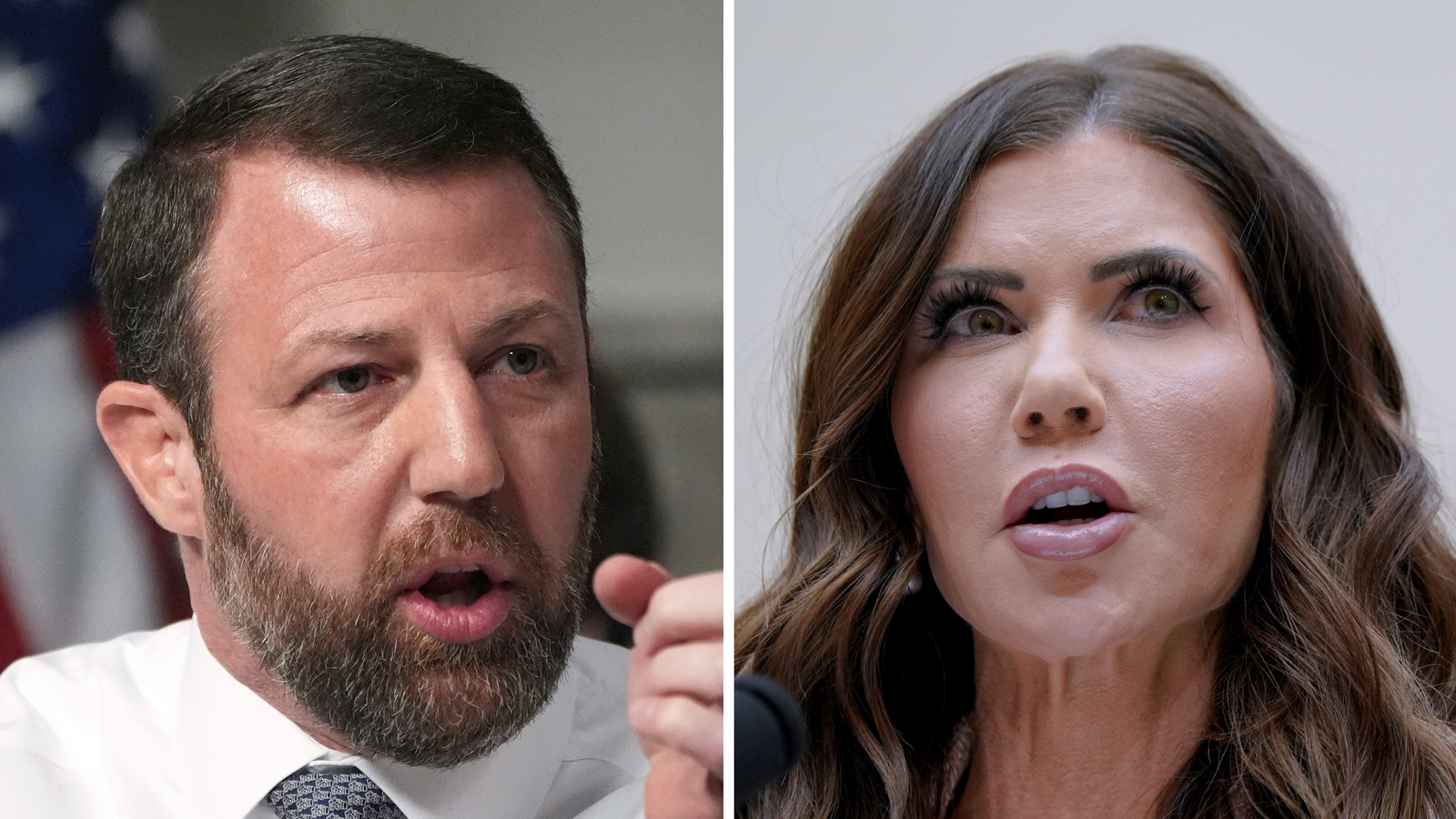
In a dramatic turn of events that has sent shockwaves through Washington, Kristi Noem has been fired from her position as Secretary of Homeland Security. President Donald Trump announced Thursday that Republican Senator Markwayne Mullin of Oklahoma will step into the role, effective March 31, 2026. The announcement came after weeks of mounting tension between Noem and the White House, culminating in a heated Senate Judiciary Committee hearing that apparently pushed the president over the edge.
The decision to remove Noem marks one of the most high-profile cabinet shake-ups of the Trump administration’s second term, and it reveals the fragile nature of loyalty in a White House that demands absolute alignment with the president’s messaging and decision-making.
The Breaking Point: Senate Hearing Controversy
The final straw appears to have been Tuesday’s Senate Judiciary Committee hearing, where Noem’s testimony drew the president’s ire. During the hearing, Republican Senator John Kennedy pressed Noem about a controversial $220 million taxpayer-funded advertising campaign. In a moment that sources described as particularly damaging, Noem repeatedly suggested that President Trump was aware of the campaign and had personally signed off on it.
However, a senior administration official quickly contradicted that characterization, telling ABC News in no uncertain terms that the president did not approve the spending. “His recollection and her recollection are different,” Senator Kennedy later told reporters, confirming that Trump had even called him directly to discuss the discrepancy.
This public contradiction between a cabinet secretary’s sworn testimony and the White House’s official position created an untenable situation. For an administration that values message discipline above almost everything else, Noem’s assertions represented an unacceptable liability.
A Pattern of Missteps
The Senate hearing was not an isolated incident. Sources tell ABC News that Tuesday’s events were just the latest in a series of episodes that had raised red flags within the Trump team and among Republican allies on Capitol Hill. The accumulation of these incidents appears to have created a tipping point that made Noem’s removal inevitable.
The TSA Precheck Fiasco
Just days before the hearing, Noem and her top adviser Corey Lewandowski made the controversial decision to temporarily suspend TSA Precheck enrollments during the partial government shutdown. The move, which disrupted travel for millions of Americans who rely on the expedited screening program, was reversed only after the White House intervened.
The reversal was widely seen as a public rebuke of Noem’s judgment and her handling of operational decisions at the Department of Homeland Security. For a president who values decisive action but also expects successful execution, the botched rollout represented another black eye for an already embattled secretary.
Minneapolis Controversy and Operational Setbacks
Perhaps the most significant source of criticism came from Noem’s handling of Immigration and Customs Enforcement operations in Minneapolis. Following the high-profile killings of Renee Good and Alex Pretti by federal law enforcement officers, Noem faced intense scrutiny over the aggressive tactics employed during immigration enforcement actions in the city.
The backlash was severe enough that Noem was removed from leading operations in Minnesota, with Border Czar Tom Homan being sent in to take over. The decision to replace her on the ground in a major city signaled that the White House had lost confidence in her ability to manage one of the department’s most critical missions.
Adding to the visible signs of strain, during a January Cabinet meeting, the president notably did not invite Noem to speak,a subtle but significant signal in an administration where the president carefully orchestrates who gets the spotlight.
Trump’s Decision-Making Process
According to multiple sources with direct knowledge of the conversations, Trump had been reaching out to Republican allies and top figures in recent days, asking whether he should fire Noem. These consultations suggest that the president was weighing the political costs and benefits of a cabinet change while becoming increasingly frustrated with his secretary’s public statements and operational decisions.
The president’s decision ultimately came down through his preferred channel,social media,on Thursday afternoon, bypassing traditional announcement protocols and underscoring the personal nature of the decision.
Meet the New DHS Secretary: Markwayne Mullin
Senator Markwayne Mullin, a Republican from Oklahoma, will take over the Department of Homeland Security effective March 31, 2026. Trump praised Mullin in his announcement, calling him “Highly Respected” and highlighting his service to Oklahoma.
Mullin, who has served in the Senate since 2023, brings a different profile to the role than Noem. A businessman-turned-politician, Mullin is known for his straightforward communication style and close relationships with the Trump base. His Senate experience and conservative credentials make him a natural fit for a department at the center of the administration’s immigration and border security priorities.
The transition from senator to cabinet secretary will require Mullin to vacate his Senate seat, potentially triggering a special appointment process in Oklahoma to fill the vacancy.
What Mullin Inherits at DHS
The new secretary will inherit an enormous portfolio, including:
- Border security and immigration enforcement operations
- TSA and transportation security programs
- ICE operations and deportation initiatives
- Cybersecurity and infrastructure protection
- Disaster response coordination through FEMA
- Counterterrorism operations
With immigration enforcement continuing to be a defining issue of the Trump administration, Mullin will need to hit the ground running on day one.
Noem’s New Role: Special Envoy for The Shield of the Americas
Rather than being cast aside entirely, Noem has been given a new assignment as Special Envoy for The Shield of the Americas,a new security framework for the Western Hemisphere that Trump announced will be unveiled in detail at an event in Doral, Florida on Saturday.
Trump’s statement praised Noem’s service, noting she “served us well, and has had numerous and spectacular results (especially on the Border!).” The reassignment allows the administration to acknowledge her contributions while moving on from the controversies that plagued her tenure at DHS.
The Shield of the Americas initiative appears to be a broader strategic play to deepen security cooperation among nations in the Western Hemisphere, and placing Noem at its helm suggests her foreign policy instincts and tough-on-border rhetoric will still find a place in the administration’s messaging apparatus.
Implications for the Trump Administration
The decision to fire Kristi Noem demonstrates several important dynamics within the Trump administration’s second term. First, it shows that even high-profile loyalists are not immune to removal when their public statements conflict with the president’s narrative. Second, it highlights the administration’s willingness to make dramatic personnel changes when operational execution falls short of expectations.
For Senate Republicans, the loss of Markwayne Mullin from the upper chamber narrows the already thin GOP majority and could complicate legislative priorities going into the midterms. However, the appointment signals continuity on key administration priorities like border security and immigration enforcement.
What Comes Next
As this story continues to develop, several key questions remain. How quickly can Mullin be confirmed and onboarded at DHS? Will Noem’s new role as Special Envoy actually launch The Shield of the Americas initiative with the impact the administration hopes for? And perhaps most importantly, what other cabinet officials may be watching this situation closely and recalibrating their own approaches to managing their relationships with the West Wing?
One thing is certain: the firing of Kristi Noem as DHS secretary is a reminder that in the world of Trump-era governance, loyalty, message discipline, and operational competence must align perfectly,and when any of those elements slip, the consequences can be swift and decisive. The administration’s pivot to Mullin represents both a fresh start for DHS leadership and a clear signal about the standards the president expects from those serving in his cabinet.