
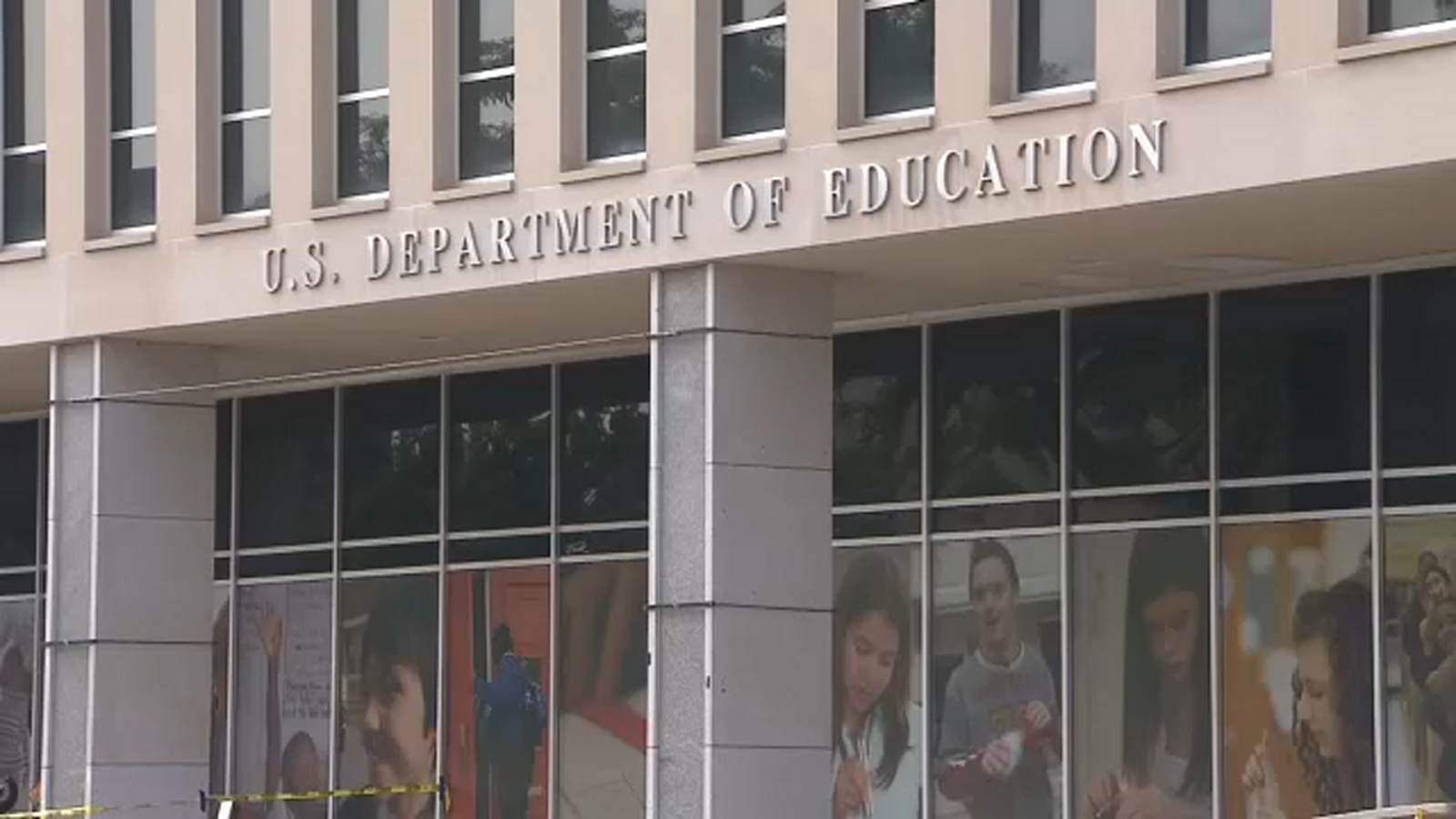
The federal government has initiated one of the most significant shifts in American higher education finance in decades. A sweeping student loan portfolio transfer will move nearly $1.7 trillion in federal student debt from the Department of Education to the Treasury Department, fundamentally reshaping how millions of Americans manage their repayment obligations. This move is the latest chapter in the Trump administration’s ongoing effort to dismantle the Department of Education.
According to senior department officials, the transfer will begin with approximately 10 million borrowers who are either in default on their loans or have reached late-stage delinquency. The announcement has drawn both praise from Republican leaders and sharp criticism from education advocates who warn the transition could create confusion for vulnerable borrowers.
Why the Treasury Department Is Taking Over Federal Student Loans
Education Secretary Linda McMahon framed the student loan portfolio transfer as a “historic step” toward fulfilling President Donald Trump’s pledge to abolish the Department of Education entirely. In her official statement, McMahon argued that the agency has failed borrowers, pointing out that nearly a quarter of all student loan borrowers are currently in default.
“As the federal student aid portfolio soars to nearly $1.7 trillion and with nearly a quarter of student loan borrowers in default, Americans know that the Department of Education has failed to effectively manage and deliver these critical programs,” McMahon wrote in the press release announcing the change.
Officials within the administration have described the move as a “hard reset” of federal student aid programs. By leveraging the Treasury Department’s established financial infrastructure, the administration believes it can streamline operations, reduce delays, and deliver more reliable services to borrowers and taxpayers alike.
The Role of the Interagency Agreement
At the heart of this transition is a new interagency agreement (IAA) between the Department of Education and the Treasury Department. This formal arrangement authorizes Treasury to assume operational responsibility for collecting on defaulted federal student loan debt , a function previously managed by the Office of Federal Student Aid.
The Treasury will also provide operational support to help the education department bring delinquent borrowers back into repayment. Senior officials emphasized that this partnership builds on existing collaboration, noting that Treasury is already integrated into the Free Application for Federal Student Aid (FAFSA) process and the income-driven repayment framework.
Who Is Impacted by the Loan Transfer?
The initial phase of the student loan portfolio transfer targets two specific categories of borrowers:
- Borrowers in default , those whose loans have officially entered default status, making them eligible for mandatory collections
- Borrowers in late-stage delinquency , individuals who haven’t made payments for at least nine months
Once a loan enters default, the consequences can be severe. Borrowers face potential wage garnishment, damaged credit scores, loss of eligibility for future student aid, and in some states, even the revocation of professional licenses or driver’s licenses. Education experts have long warned about the cascading financial damage that default can inflict.
Concerns From Education Advocates
Not everyone shares the administration’s optimism. Roxanne Garza, director of higher education policy at EdTrust, expressed serious concern about what the transition means for borrowers already struggling with their debt.
“We are very concerned about what this means for these loans for defaulted borrowers,” Garza told reporters. “The worry is what would that look like if this portfolio does move to Treasury, what kind of support would borrowers have?”
Garza’s concerns center on the practical challenges borrowers will face during the transition. Who do they contact with questions? What repayment options remain available? How will customer service be handled during the shift? These unanswered questions could leave millions of borrowers navigating uncertainty at a time when they need clarity most.
Political Reactions to the Transfer Decision
The student loan portfolio transfer has predictably divided lawmakers along party lines.
Republican Support
House Education and Workforce Committee Chairman Rep. Tim Walberg, a Republican from Michigan, enthusiastically endorsed the partnership. In a written statement, Walberg argued that the shift would simplify how aid is delivered and make better use of taxpayer dollars.
“This shift will simplify how aid is delivered, reduce delays, and make better use of taxpayer dollars,” Walberg wrote. “Most importantly, it will make the process easier and more reliable for students and families who depend on this support.”
Democratic Opposition
Ranking Member Rep. Bobby Scott, a Democrat from Virginia, took a sharply different view. He questioned whether the administration’s strategy is deliberately designed to destabilize the system.
“As the cost of living continues to rise, Americans are already juggling student loan payments on top of groceries, gas, child care, health care, and housing,” Scott wrote. “This is the last thing student borrowers need.”
Scott and other Democrats worry that rapid structural changes to the federal student aid system could harm borrowers who are already financially stretched thin.
How This Fits Into the Larger Plan to Dismantle the Education Department
The Treasury partnership is just one piece of a much larger restructuring. Since Secretary McMahon took the helm, the Department of Education has established at least ten interagency agreements with other federal departments, including:
- Department of Health and Human Services
- Department of the Interior
- Department of Labor
- Department of State
McMahon has been particularly vocal about her belief that the Treasury Department is the natural home for the student debt portfolio. Under her vision, Treasury Secretary Scott Bessent would oversee loan servicing and collection, leveraging the department’s financial expertise to improve outcomes for borrowers.
A senior department official reinforced this perspective during a call with reporters: “The secretary has been clear here over the course of the last several months that the Department of the Treasury is best positioned to assume responsibility. We already work with them, so it just makes sense.”
Changes to Repayment Plans and Upcoming Deadlines
The student loan portfolio transfer comes alongside broader changes to repayment options. The administration has been actively phasing out several Biden-era student loan repayment plans, replacing them with new structures established under the Working Families Tax Cuts Act.
Under this new legislation, a fresh income-driven repayment plan will become available to borrowers starting July 1. Department of Education officials stress that these changes are intended to streamline the system and create clearer pathways for borrowers to repay their loans.
Officials are urging borrowers to continue working directly with the agency’s Federal Student Aid office for guidance during this transition period. However, with the operational shift to Treasury already underway for defaulted loans, borrowers may find themselves navigating an evolving system for the foreseeable future.
What Borrowers Should Do Right Now
For the millions of Americans affected by this student loan portfolio transfer, taking proactive steps can help avoid complications:
- Check your loan status , Visit the Federal Student Aid website to confirm whether your loans are current, delinquent, or in default.
- Update your contact information , Make sure your loan servicer has your current address, phone number, and email so you don’t miss critical notifications.
- Explore the new repayment plan , Once the income-driven plan launches on July 1, evaluate whether it offers better terms than your current arrangement.
- Document everything , Keep records of all communications with your servicer, especially during the transition period.
- Seek accredited advice , If you’re in default or near-default status, consult with a certified financial counselor or student loan attorney before making major decisions.
Looking Ahead: Uncertainty and Opportunity
The scale of this student loan portfolio transfer cannot be overstated. Moving nearly $1.7 trillion in debt across federal agencies represents a seismic shift in how America handles higher education financing. Whether the change ultimately benefits borrowers or creates new obstacles remains to be seen.
Supporters argue that Treasury’s financial expertise will produce more efficient collection, clearer repayment structures, and better outcomes for taxpayers. Critics counter that the transition risks overwhelming borrowers with confusion at a time when economic pressures are already mounting.
What is certain is that student loan borrowers , particularly the 10 million currently facing default or severe delinquency , should pay close attention to these developments in the coming months. As the Treasury Department begins absorbing responsibility for this massive portfolio, staying informed and engaged will be essential for anyone managing federal student debt. The road ahead may be bumpy, but understanding the changes is the first step toward protecting your financial future.