
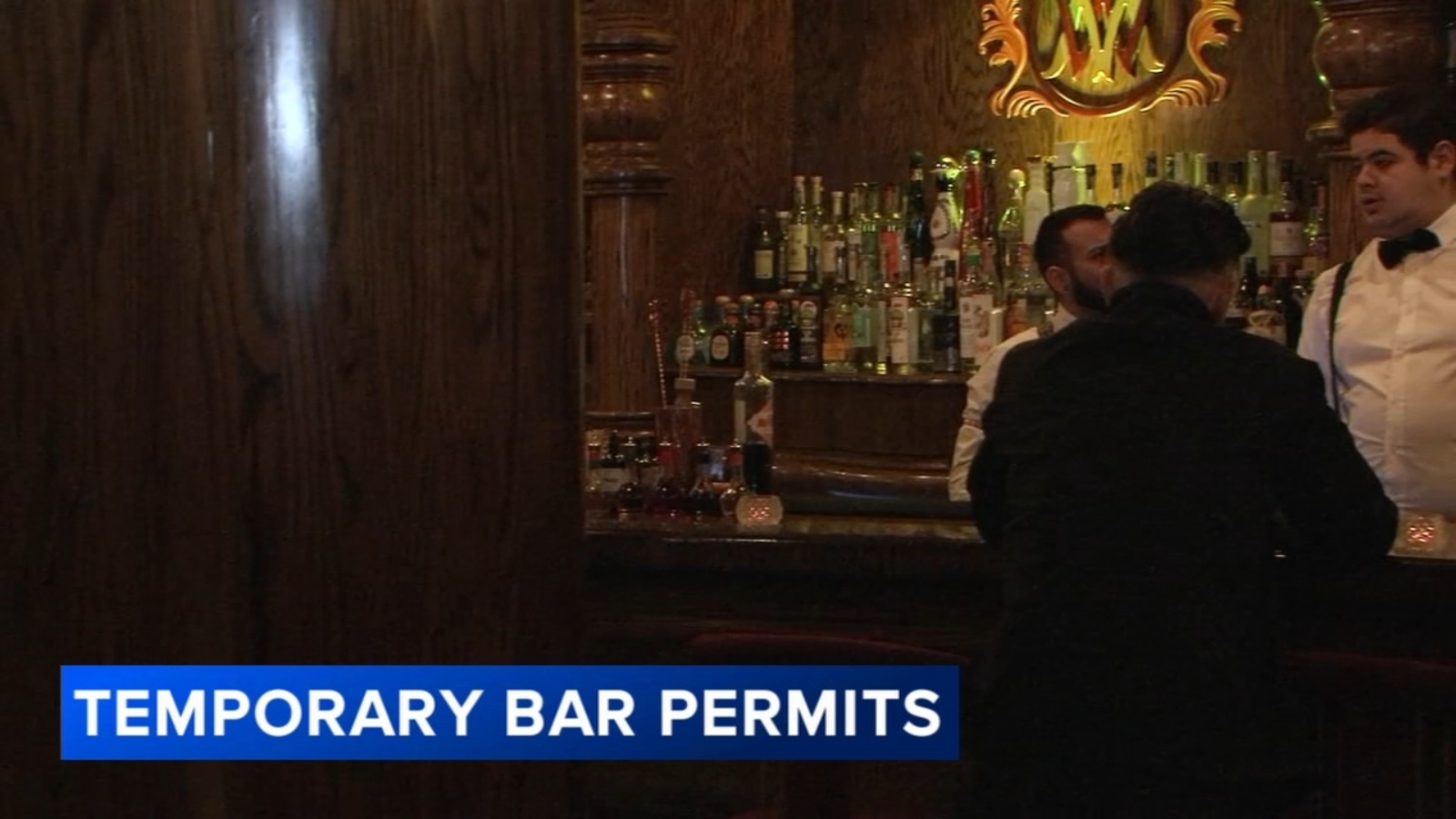
Pennsylvania Governor Josh Shapiro has officially signed legislation creating the Philadelphia 250 permit, a temporary license that will allow select bars and nightlife venues across the city to serve alcohol until 4 a.m. , a full two hours past the state’s standard last call. For an industry that has long operated under rigid liquor laws, this represents one of the most significant shake-ups to Philadelphia’s nightlife economy in recent memory.
The permit was created in anticipation of a packed summer calendar. Between June 11 and July 20, Philadelphia is bracing for an unprecedented convergence of global events: World Cup matches, the MLB All-Star Game at Citizens Bank Park in South Philadelphia, and the celebrations surrounding America’s 250th anniversary. City officials recognized early on that this once-in-a-generation lineup of events would draw massive crowds , and that those visitors would be looking for places to go after the games and festivities end.
According to Raheem Manning, senior director of nighttime economy for the Philadelphia Department of Commerce, the Philadelphia 250 permit gives businesses a real chance to capitalize on that influx. “This tool, this permit that businesses are able to apply for, gives them the opportunity to capture that market that’s going to be here,” Manning explained.
A Summer of Opportunity: World Cup, All-Star Game, and the 250th
The window for extended service is short but powerful. From June 11 through July 20, qualifying bars can operate until 4 a.m., aligning with some of the biggest events Philadelphia has hosted in decades. For bar owners, the timing couldn’t be better.
The economic potential is enormous. International visitors descending on the city for the World Cup won’t necessarily follow traditional American drinking schedules, and late-night service gives venues a way to cater to those extended hours. Add in the cultural cachet of America’s 250th birthday and a marquee MLB event, and the opportunity becomes hard to ignore.
That said, this isn’t a blanket policy change. Not every bar will qualify, and not every bar will want the extra hours. The Philadelphia 250 permit is a selective, vetted opportunity , not a permanent overhaul of Pennsylvania’s liquor laws.
How to Apply for the Philadelphia 250 Permit
The application process is intentionally multi-layered. City and state officials built a system that ensures only responsible, well-prepared businesses gain approval. Here’s how it works, step by step.
Step 1: Submit a Business License Application via eCLIPSE
Eligible businesses must first apply for a business license through the city’s eCLIPSE online portal. This is the entry point for every applicant and ensures the business is properly registered before moving forward. Applications are being accepted now, and the deadline to apply is April 14.
Step 2: Pay the Required Fee
Once the business license application is complete, applicants must pay the associated fee to move to the next stage of the process. Specific fee amounts should be confirmed on the city’s official website, as they may vary depending on business type.
Step 3: Complete the Liberty Bell Safe Certification Program
This is one of the most distinctive requirements. Before any permit is issued, ownership and management staff from each applying venue must complete the Liberty Bell Safe Certification Program in person. The program is designed to ensure that operators understand the responsibilities and safety considerations that come with serving alcohol into the early morning hours.
Topics covered in the certification likely include crowd management, responsible beverage service, late-night safety protocols, and community impact considerations. Once attended, participants receive a certificate that must then be submitted as part of the final state-level application.
Step 4: Apply to the Pennsylvania Liquor Control Board
With the certification in hand, businesses submit their application to the Pennsylvania Liquor Control Board (PLCB). The board reviews each application and, according to Manning, will issue permits to qualifying businesses within 30 days of submission.
The full list of eligibility requirements is available on the city’s website, and applicants should review it carefully before beginning the process. The vetting is rigorous by design.
What Bar Owners Are Saying About the Opportunity
The response from Philadelphia’s nightlife community has been enthusiastic , but also realistic. Bar owners recognize both the potential and the responsibility that comes with a late night alcohol permit PA.
Artem Ustayev, co-owner of Midnight & The Wicked, called the permit a “phenomenal opportunity” but was quick to point out that the application process is demanding. “It’s not easy, everyone can’t just get this license,” he said. “It’s very, very particular who they are going to allow.”
Ustayev and his co-CEO, Joshua Tourdot, have already submitted their application and are actively planning for additional staffing in anticipation of approval. Tourdot emphasized the importance of careful vetting by the city. “I think it’s extremely important that they do rigorous vetting and make sure that only the top selection gets it so the city looks good on the world stage because that’s where we’re going to be,” he noted.
Over at The Ave nightclub on Christopher Columbus Boulevard, co-owner Joshua Zwirzina echoed the same optimism. “The liquor laws in Philly haven’t changed in a really long time, and this is an opportunity, I think, for businesses to make some extra money,” he said. His venue has also applied for the permit.
Not a Free-for-All: Guardrails Are Built Into the Process
City officials are pushing back against the idea that the Philadelphia 250 permit opens the floodgates to chaotic late-night service. Manning made that point clearly: “We don’t expect a 4 a.m. free-for-all. We have a lot of guardrails in place to make sure that businesses who do apply, and who do permit, that it makes sense not only for that business but for the surrounding areas.”
Those guardrails include:
- Rigorous application review by both the city and the PLCB
- Mandatory in-person certification for owners and management
- Strict eligibility requirements tied to business type, location, and operational history
- Limited time window (June 11 to July 20) rather than a permanent change
- Community impact considerations, ensuring surrounding neighborhoods are not adversely affected
The city also acknowledged that not every business will want to participate. Some operators may decide that late-night service doesn’t fit their brand, staffing model, or neighborhood dynamics. Manning noted that “some people are personally choosing that this isn’t the best business decision for them and their model.” That’s by design , the permit is a tool, not an obligation.
Who Should Consider Applying?
The Philadelphia 250 permit is most relevant for bars, nightclubs, lounges, and restaurants that already have a strong late-night presence or are positioned to attract post-event crowds. Venues near major event locations, entertainment districts, and tourist hotspots stand to benefit the most, but the permit isn’t geographically restricted.
Businesses that should seriously consider applying include:
- Established nightclubs with proven late-night operations
- Bars in high-foot-traffic areas near sporting venues or Fan District hotspots
- Restaurants with full bar service that cater to evening crowds
- Hospitality venues expecting heavy international tourism during the World Cup
Smaller neighborhood pubs, venues with limited late-night infrastructure, or businesses in areas where late-night activity isn’t already part of the culture may find that the permit doesn’t align with their operations , and that’s perfectly acceptable.
Key Dates and Deadlines to Remember
Time is short for interested businesses. Here’s a quick reference of the most important dates:
- Now through April 14: Application window open via eCLIPSE
- Within 30 days of state submission: PLCB decision on permit approval
- June 11: Earliest date for extended 4 a.m. service
- July 20: Final day of extended service window
Businesses that wait too long risk missing the entire opportunity. With the World Cup and other major events already on the calendar, preparation needs to start now.
Final Thoughts: A Limited Window With Lasting Potential
The Philadelphia 250 permit is more than just a temporary license , it’s a proving ground. How bars handle the responsibility of extended hours, how the city enforces its guardrails, and how visitors respond to a more flexible Philadelphia nightlife scene will all factor into whether this kind of program could expand in future years.
For now, the opportunity is real, the timeline is tight, and the stakes are high. Bar owners who are prepared to invest in the application process, complete the Liberty Bell Safe Certification Program, and step up their operational game have a rare chance to be part of something historic. Philadelphia is about to host the world, and the businesses that earn a 4 a.m. bar service Philadelphia permit will be the ones shaping how the city celebrates its biggest summer in a generation.
Don’t wait. The April 14 deadline is closer than it seems, and the paperwork takes time. Visit the city’s eCLIPSE portal, review the eligibility requirements, and start the process today.