
The Philadelphia region found itself in the grip of a brutal extreme heat event on Thursday, as temperatures soared past 100 degrees and triggered a cascade of emergency responses, event cancellations, and heat-related injuries. What was supposed to be a day of celebration quickly turned into a day of crisis management across southeastern Pennsylvania and northern Delaware, leaving residents, event organizers, and first responders scrambling to stay safe.
A Historic Day Marred by Dangerous Temperatures
The sweltering conditions arrived at one of the worst possible times, colliding with high-profile events tied to the city’s semiquincentennial celebrations and Independence Day festivities. Organizers were forced to make difficult decisions as the mercury climbed, ultimately canceling a marquee concert on Independence Mall where Queen Latifah had been scheduled to perform. The decision, while disappointing for thousands of fans, was rooted in genuine public safety concerns, as prolonged exposure to temperatures exceeding 100 degrees can quickly lead to heat-related illness, dehydration, and worse.
Big Boy Locomotive Event Triggers Mass Casualty Incident
Perhaps the most alarming consequence of the heat wave unfolded in Muhlenberg Township, Berks County, where thousands of people gathered to witness Union Pacific’s historic Big Boy locomotive pass through on its journey to Philadelphia. What should have been a nostalgic moment for rail enthusiasts quickly spiraled into an emergency when the dangerous heat, combined with the enormous crowd, overwhelmed available resources.
Emergency crews declared a mass casualty incident as the situation escalated. According to Police Chief Randall Hoover, more than 100 people were treated for heat-related illnesses, with patients ranging from infants to elderly adults. The sheer scope of the medical response highlighted just how vulnerable large gatherings can be during a heat wave, especially when shade, water, and cooling stations are insufficient for the number of attendees.
- Over 100 individuals received treatment for heat-related symptoms
- 35 people were ultimately hospitalized
- One patient suffered cardiac arrest and was revived at the scene by emergency personnel
- Patients spanned every age group, from babies to seniors
The locomotive delays only compounded the crisis. With temperatures pushing past the century mark and little relief in sight, the situation served as a sobering reminder of how quickly outdoor events can become hazardous during extreme weather.
Wilmington Firefighters Battle Blaze and Heat Simultaneously
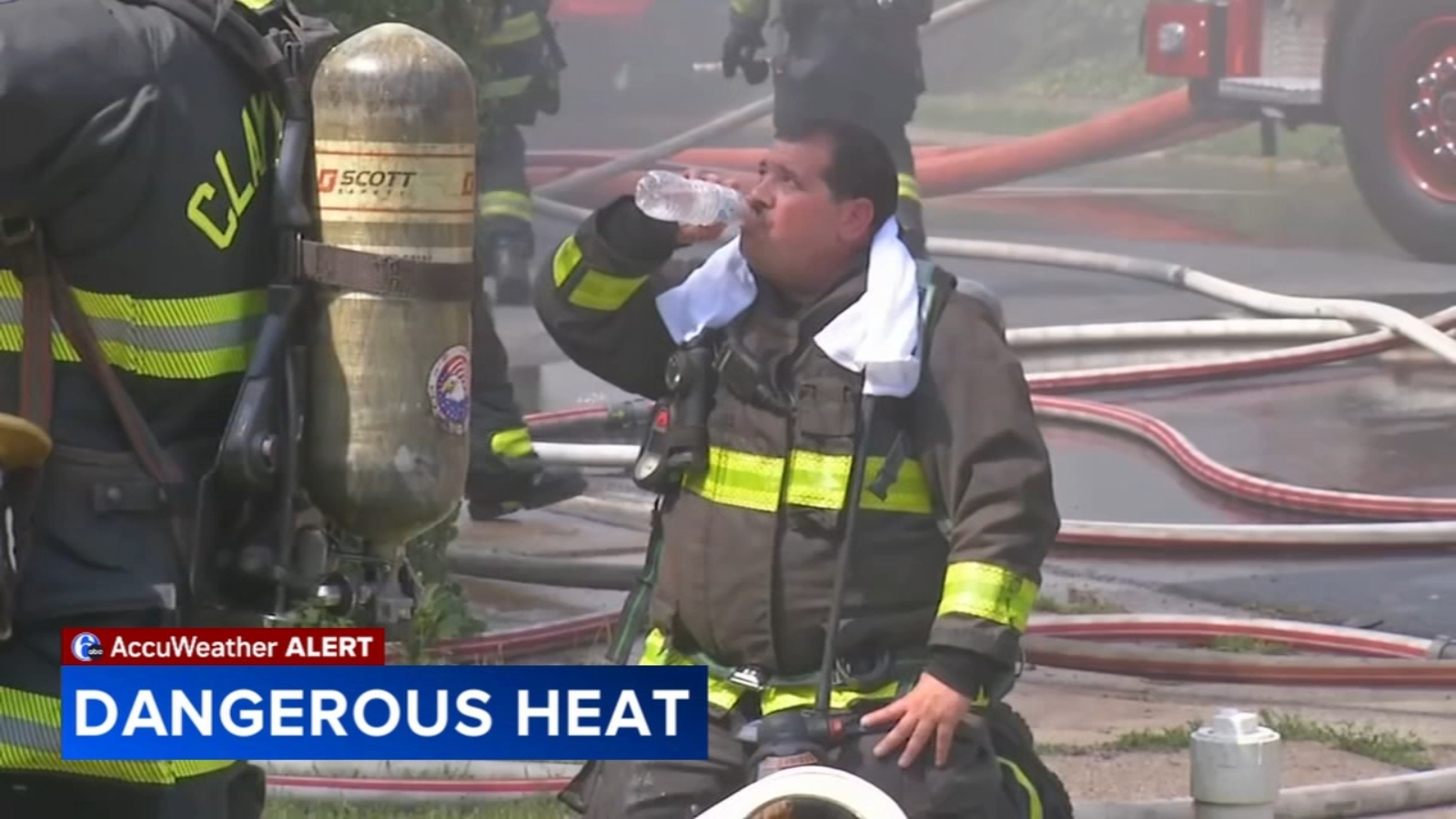
While Berks County dealt with the aftermath of the locomotive gathering, firefighters in Wilmington, Delaware faced a different kind of emergency. A four-alarm fire erupted under the same punishing triple-digit temperatures, creating a doubly dangerous scenario for the men and women tasked with containing the blaze.
Rapid Response Despite Brutal Conditions
Despite the oppressive heat, crews managed to bring the fire under control in roughly one hour, a feat that drew praise from onlookers like Wilmington resident Jayden Gonzalez. However, the speed of containment came at a cost. One firefighter was transported to a local hospital for treatment of heat exhaustion, underscoring the physical toll that firefighting in extreme temperatures exacts on even the most seasoned professionals.
Deputy Chief Tim Strusowski of the Five Points Fire Company explained the strategy crews employed to keep their teams safe during the operation.
“The burnout on interior crews is usually 5-10 minutes on heat-related stuff like this, so we try to keep a quick rotation, get everybody in and out just so no one gets burned out really quickly,” Strusowski said.
First responders rotated in and out of the heat, took frequent hydration breaks, and cooled off near large industrial fans strategically positioned at the scene. These protocols, developed through years of experience, likely prevented additional injuries and allowed the firefighting effort to continue safely.
Community Impact and Displacement
Miraculously, everyone escaped the fire without injury, but the destruction left in its wake was significant. Six homes were completely destroyed, leaving 20 residents displaced and searching for temporary housing. The Delaware State fire marshal’s office has launched an investigation into the cause of the blaze.
Compounding the tragedy, nearby residents also lost electrical power during the emergency response. For residents like Betty Houston, whose husband suffers from heart problems, the loss of air conditioning during a heat wave posed an immediate health threat.
“This is not a day for the power to be off,” Houston said. “We will go to the library or the VA or something. We gotta get him some place cool.”
The Houstons’ dilemma illustrates a broader concern during heat emergencies: vulnerable populations, including the elderly, those with chronic medical conditions, and families with young children, face heightened risks when cooling systems fail precisely when they are needed most.
Looking Ahead: Fourth of July Celebrations and Heat Safety
As Thursday’s crises wound down, attention shifted toward upcoming Fourth of July celebrations scheduled throughout the region. The Pops on Independence concert, featuring Broadway star Idina Menzel, was set for Friday night on Independence Mall, promising another major outdoor gathering that could test the limits of heat safety planning.
Officials have been vocal in urging residents and visitors to take precautions ahead of the holiday weekend, recognizing that a second consecutive day of extreme temperatures could push an already-stressed system past its limits.
Essential Heat Safety Tips for Outdoor Events
Whether you’re heading to a concert, a parade, or a backyard barbecue, the following precautions can help protect you and your loved ones during periods of dangerous heat:
- Stay hydrated. Drink water consistently throughout the day, even if you don’t feel thirsty. Avoid alcohol and caffeine, which can contribute to dehydration.
- Seek shade whenever possible. Direct sun exposure dramatically increases the risk of heat exhaustion and heat stroke.
- Wear lightweight, light-colored clothing. Loose-fitting garments allow your body to cool itself more efficiently.
- Take frequent breaks. If you’re outdoors for extended periods, find air-conditioned spaces periodically to allow your body to recover.
- Know the warning signs. Symptoms of heat exhaustion include heavy sweating, weakness, cold or clammy skin, nausea, and dizziness. Heat stroke, a medical emergency, involves hot dry skin, confusion, and loss of consciousness.
- Check on vulnerable neighbors. The elderly, young children, and those with chronic illnesses are particularly susceptible to heat-related complications.
- Identify nearby cooling centers. Libraries, community centers, and municipal buildings often offer relief during heat emergencies.
A Region Tested, A Community Resilient
The events of Thursday served as a stark illustration of how extreme heat can transform ordinary summer activities into potential emergencies. From the canceled concert on Independence Mall to the mass casualty incident in Berks County and the devastating fire in Wilmington, the day’s challenges tested every layer of the region’s emergency response infrastructure.
Yet amid the chaos, there were moments of resilience and heroism. First responders worked tirelessly in brutal conditions to protect their communities. Bystanders looked out for strangers suffering in the heat. Residents like Betty Houston made difficult decisions to protect their family members from harm. And event organizers made the hard call to cancel beloved gatherings rather than risk public safety.
As the Philadelphia region looks toward the rest of the holiday weekend, the lessons of Thursday remain fresh: respect the power of extreme heat, prepare accordingly, and never underestimate its capacity to disrupt even the best-laid plans. With temperatures expected to remain dangerously high, officials continue to urge vigilance, hydration, and a healthy dose of caution as communities celebrate the nation’s birthday.
Whether you’re planning to attend a fireworks display, host a cookout, or simply spend time outdoors, remember that heat safety is not optional during a heat wave. It is, quite literally, a matter of life and death.