
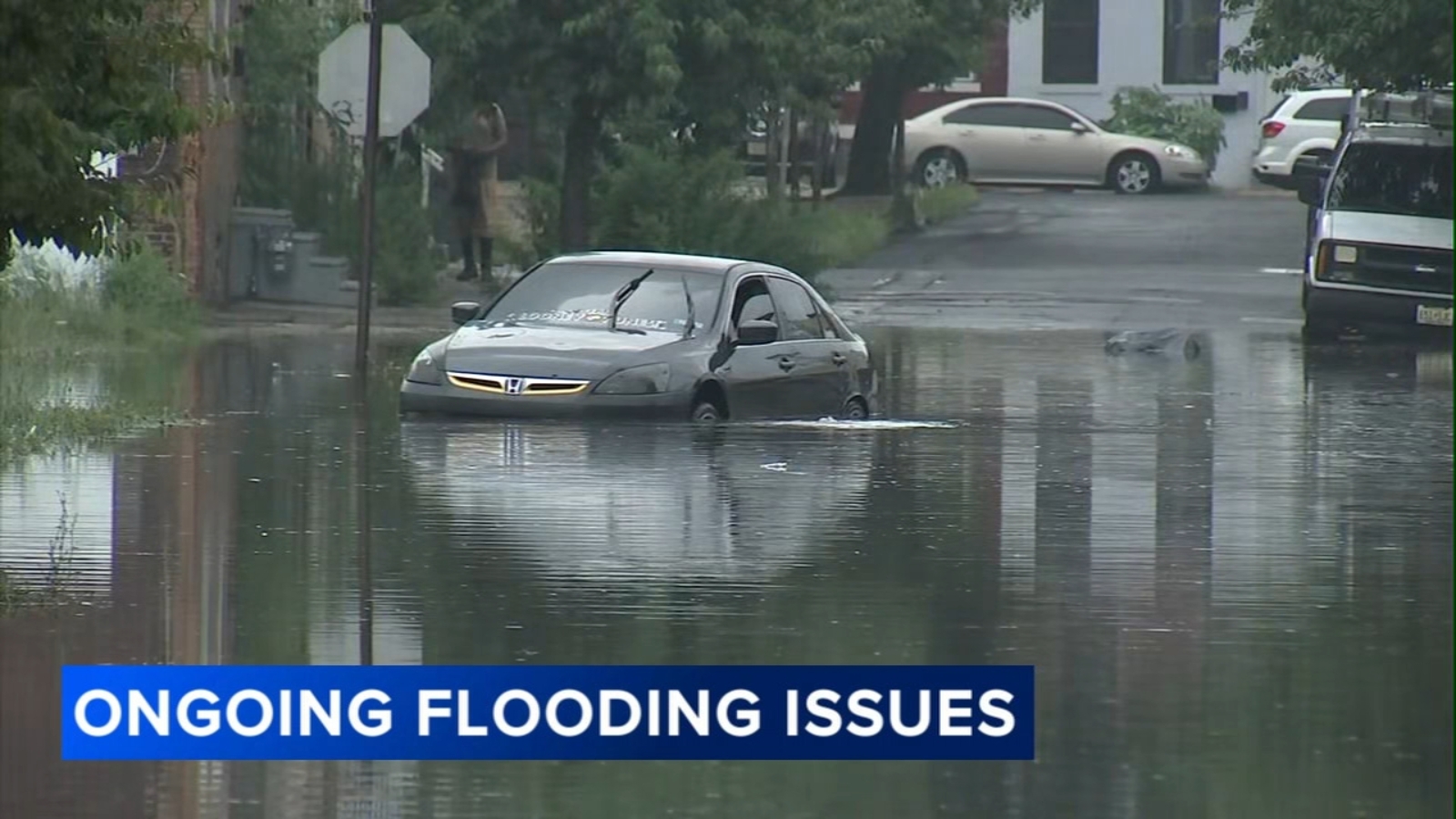
Camden flash flooding struck New Jersey once again this week when a powerful wave of heavy rainfall swept through the city on Thursday, leaving roads submerged, vehicles stranded, and residents on edge. This marks the second major flooding event in the same week, raising urgent questions about infrastructure resilience and emergency preparedness in one of the Garden State’s most vulnerable urban areas. As the storm rolled through, emergency crews raced against rising water levels to assist drivers caught off guard by the rapidly deteriorating road conditions.
A City Drowning: How Thursday’s Storm Unfolded
By midday Thursday, the skies over Camden had opened up with relentless intensity. Within hours, what began as a steady downpour transformed into a serious flash flooding event. Streets that had been passable earlier in the day quickly became impassable rivers of murky water, catching commuters and residents by surprise.
Near the intersection of 10th Street and Kaighn Avenue, one driver experienced firsthand just how dangerous these conditions can become. June Irizarry, who was navigating through the area when floodwaters surged over the roadway, described the ordeal in vivid terms. Stranded with water creeping up around his vehicle, Irizarry said he felt overwhelmed by frustration and concern. The sheer volume of water made the road feel more like an ocean than a city street , a fitting description for what many residents experienced throughout the afternoon.
Emergency Response in Action
Fortunately for Irizarry and others caught in similar situations, help was not far behind. As the owner of Kingz Towing, Angel Lopez is accustomed to recovering vehicles from difficult situations, but Thursday’s conditions pushed even his experience to the limit. When he arrived to pull Irizarry’s car from the floodwaters, Lopez discovered the water had risen alarmingly high , reaching nearly to the steering wheel.
The situation was particularly tense because the vehicle’s power windows had stopped functioning properly, leaving limited options for escape as water continued to fill the cabin. Lopez noted that had the water continued to rise, the outcome could have been far more serious. His swift action helped prevent what could have become a far more dangerous scenario, highlighting the importance of experienced emergency responders during flash flooding events.
The City Fights Back: New Rescue Equipment Deployed
In a notable sign of progress, Camden officials deployed the city’s brand-new highwater rescue vehicle to assist residents during Thursday’s flooding emergency. This specialized equipment represents a significant investment in the city’s ability to respond to severe weather events, which have become increasingly common in recent years.
Camden Fire Chief Jesse Flax confirmed that crews successfully helped two individuals who had attempted to drive through deep standing water. While both drivers emerged safely on dry land, their vehicles were not as fortunate , a sobering reminder of the financial toll that flash flooding can inflict on residents. Chief Flax emphasized that even with proper equipment, the best course of action during flash flooding is to avoid driving through flooded roadways altogether.
Patterns of Danger: Why Drivers Keep Getting Stranded
Despite repeated warnings from local authorities, many drivers continue to underestimate the power of moving floodwater. Near the intersection of 2nd and Pine, some motorists attempted to navigate the flooded streets, their vehicles pushing forward through water several feet deep. Others, perhaps learning from Monday’s devastating earlier storm, wisely chose to reverse course and find alternate routes.
This pattern of behavior underscores a persistent challenge for emergency management officials: even when warnings are issued and conditions are clearly hazardous, some drivers feel compelled to push forward rather than seek safer ground. The old adage of “turn around, don’t drown” remains as relevant as ever, particularly in flood-prone urban areas like Camden.
A Tale of Two Storms: Comparing the Week’s Flooding Events
Thursday’s storm, while disruptive and dangerous, was notably less severe than the catastrophic event that struck Camden just days earlier on Monday. Angel Lopez, who has responded to both flooding events, drew a direct comparison between the two. The earlier storm produced significantly worse conditions, with deeper water and more extensive damage throughout the city. Vehicles that had been submerged for hours on Monday continued to serve as visible reminders of how quickly conditions can deteriorate.
However, the fact that the city experienced two significant flooding events within the same week speaks to a broader pattern of increasingly volatile weather patterns affecting the region. Climate scientists have warned that intense rainfall events are becoming more frequent, and cities like Camden , often characterized by aging infrastructure and significant impervious surfaces , are particularly vulnerable to these changes.
Lessons Learned and Improved Preparedness
Perhaps the most encouraging takeaway from Thursday’s event is the visible improvement in the city’s emergency response. Camden County and city officials have emphasized that they were significantly more prepared for the second wave of flooding, having learned valuable lessons from Monday’s earlier disaster.
Dan Keashen, who serves as the director of Camden County public affairs, explained that crews had been stationed throughout the day on major thoroughfares, working proactively to clear storm drains and inlets in anticipation of the coming rainfall. This forward-thinking approach allowed floodwaters to recede more quickly once the rain subsided, minimizing the duration of road closures and reducing the overall impact on the community.
- Pre-positioned crews on major roadways to respond rapidly to flooding
- Cleared inlets and storm drains in advance of the heaviest rainfall
- Deployed specialized equipment, including the new highwater rescue vehicle
- Coordinated multi-agency response between county and city officials
Crews could be seen throughout the day removing debris from sewer systems, working diligently to ensure that drainage infrastructure could handle the deluge. These behind-the-scenes efforts often go unheralded but play a crucial role in determining whether a flood event becomes a manageable inconvenience or a full-blown disaster.
The Ongoing Challenge of Urban Flooding
The back-to-back flooding events in Camden this week highlight the ongoing challenges facing older urban centers in the northeastern United States. Many of these cities were designed with stormwater systems that were never intended to handle the intensity of rainfall events that have become the new normal in a changing climate.
Combined sewer systems, aging infrastructure, and the proliferation of impervious surfaces like asphalt and rooftops all contribute to a situation where even moderate rainfall can produce flash flooding conditions. Addressing these systemic issues requires sustained investment, careful planning, and community engagement , all of which take time to develop and implement.
What Residents Can Do to Protect Themselves
For residents living in flood-prone areas of Camden, personal preparedness remains essential. Officials recommend several important precautions that can help minimize risk during severe weather events:
- Never drive through flooded roadways , even shallow moving water can sweep a vehicle away
- Stay informed through local news, weather alerts, and official city communications
- Prepare an emergency kit with essential supplies in case of extended power outages or evacuations
- Know your evacuation routes and have a plan in place for family members and pets
- Consider flood insurance, as standard homeowners policies typically do not cover flood damage
Looking Ahead: Building a More Resilient Camden
As Camden continues to recover from this week’s twin flooding events, city and county leaders are likely to face renewed calls for infrastructure improvements and long-term planning initiatives. The investments made in equipment like the highwater rescue vehicle represent an important step forward, but they are only one piece of a much larger puzzle.
True resilience against flash flooding requires comprehensive solutions that address both the immediate emergency response needs and the underlying infrastructure vulnerabilities that make flooding such a persistent challenge. Green infrastructure projects, upgraded stormwater systems, and revised zoning regulations all have roles to play in shaping a future where events like this week’s flooding become less catastrophic and more manageable.
Community Resilience in the Face of Adversity
Despite the challenges posed by this week’s severe weather, the response from Camden’s emergency crews, city officials, and ordinary citizens has demonstrated the kind of community resilience that defines the city. From tow truck operators like Angel Lopez rushing to help stranded drivers to county crews working tirelessly to clear drainage systems, countless individuals contributed to keeping residents safe during a dangerous weather event.
The fact that officials had prepared so thoroughly for Thursday’s anticipated rainfall , and that the response was noticeably smoother than Monday’s chaotic event , suggests that lessons are being learned and applied. While no amount of preparation can completely eliminate the risks posed by severe flash flooding, each event provides valuable experience that can inform future responses.
Conclusion
The Camden flash flooding that struck twice within a single week serves as a stark reminder of the powerful forces of nature and the importance of community resilience in the face of increasingly volatile weather patterns. As the city moves forward from these events, the lessons learned , about preparation, response, and infrastructure investment , will be critical in shaping how Camden confronts future storms. For residents, staying informed, heeding warnings, and taking personal responsibility for safety remain the most effective tools in navigating the challenges of severe flooding. While the road to long-term solutions may be long, the dedication shown by emergency responders and city officials this week provides genuine hope that Camden will emerge from these challenges stronger, better prepared, and more united than before.