
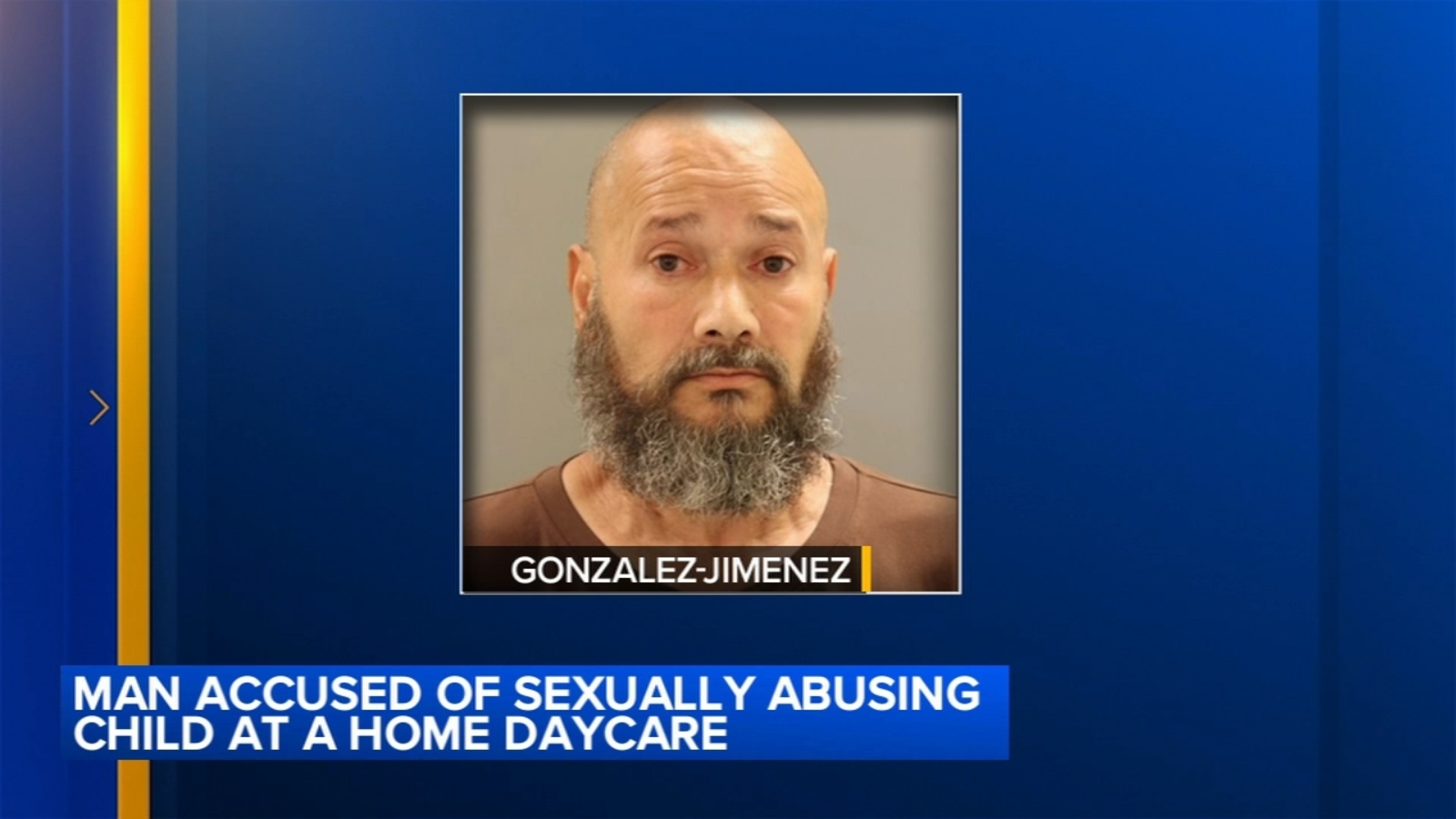
The disturbing case unfolding in Newark, Delaware has sent shockwaves through local communities and raised urgent questions about child sexual abuse at daycare facilities. A 57-year-old man, Orlando Gonzalez-Jimenez, now faces multiple felony charges after authorities say he sexually abused a child under the age of five at an in-home daycare operating out of his own residence. The allegations, which date back to 2016, have left investigators concerned that additional victims may exist , a sobering reminder of why vigilance, awareness, and open conversations about child safety remain critically important.
As this case moves through the criminal justice system, parents, caregivers, and community members are grappling with a deeply uncomfortable reality: the very places entrusted to nurture and protect our youngest can, in rare but devastating instances, become sites of profound betrayal. Below, we explore the details of this case, the warning signs every parent should recognize, and the practical steps families can use to better safeguard children in childcare settings.
What Happened in Newark, Delaware
According to the New Castle County Police Department, investigators began looking into allegations against Gonzalez-Jimenez in August 2025. Detectives ultimately determined that between 2016 and 2019, the defendant allegedly committed repeated acts against a victim younger than five years old. The abuse reportedly took place at the in-home daycare he operated from his Newark residence , a setting that should have represented safety and nurturing care, but instead became a site of trauma.
Authorities say Gonzalez-Jimenez used threats of physical violence to coerce the child into sexual activity, a particularly aggravating factor that has been formally charged as a misdemeanor count of terroristic threatening. He was arrested on July 8, 2026, and is now facing:
- Three felony counts of unlawful sexual contact in the first degree
- One felony count of continuous sexual abuse of a child
- One misdemeanor count of terroristic threatening
Gonzalez-Jimenez is being held on $130,000 cash bail. Perhaps most alarming, police have stated publicly that they believe there may be additional victims who have not yet come forward.
The Hidden Danger of In-Home Daycare Settings
In-home daycares offer many genuine benefits , smaller group sizes, flexible hours, a homelike atmosphere, and often more individualized attention. However, they also present unique challenges when it comes to oversight and accountability. Unlike licensed childcare centers with multiple staff members, cameras in common areas, and regular state inspections, in-home daycare operations frequently operate with far less visibility.
This doesn’t mean in-home daycares are inherently unsafe. Many are operated by dedicated, caring professionals who follow the law meticulously and create wonderful environments for children. But the structure does mean that parents must be extra diligent when choosing and monitoring these arrangements.
Why In-Home Settings Can Be Vulnerable
Several factors can make in-home daycare operations particularly susceptible to abuse:
- Limited supervision: With often only one or two adults present, there is rarely a second set of eyes to observe concerning behavior.
- Private spaces: Bedrooms, basements, or separate rooms in a residence may go unwitnessed during the day.
- Informal screening: Not all in-home providers undergo the same rigorous background checks as employees of larger institutions.
- Isolated families: Parents who work outside the home or have limited local support networks may feel they have few options if they suspect something is wrong.
Recognizing the Warning Signs of Child Sexual Abuse
One of the most powerful tools in protecting children is recognizing the behavioral and physical indicators that something may be wrong. While no single sign definitively indicates abuse, patterns of behavior or sudden changes warrant attention and gentle inquiry.
Behavioral Signs Parents Should Watch For
Children who have experienced sexual abuse may display a range of emotional and behavioral changes. According to child advocacy experts, these can include:
- Sudden withdrawal from activities they previously enjoyed
- Unexplained fear or anxiety around specific people or places
- Age-inappropriate knowledge of sexual topics or behavior
- Nightmares, sleep disturbances, or bedwetting in children who had previously outgrown these issues
- Sudden changes in mood, including increased anger, sadness, or emotional flatness
- Regression to younger behaviors, such as baby talk or thumb-sucking
- Self-harm or statements about wanting to die or disappear
Physical Indicators That Warrant Medical Evaluation
While many signs of sexual abuse are behavioral, certain physical symptoms may also appear:
- Unexplained bruising, bleeding, or irritation in genital areas
- Stained or bloody underclothing
- Difficulty walking or sitting without a clear explanation
- Recurring urinary or yeast infections
If you notice any combination of these signs, trust your instincts. Speak with your child’s pediatrician, who can provide both medical evaluation and referrals to specialists if needed.
How to Vet an In-Home Daycare Provider
Prevention begins long before any concerning behavior appears. Thorough vetting of any childcare provider , whether a center or an individual’s home , is one of the most important steps a parent can take.
Questions Every Parent Should Ask
- Is the provider licensed and registered with the state? Verify the license is current and check whether any complaints or violations have been filed.
- What background checks have been completed? Ask specifically about criminal background checks, child abuse registry clearances, and fingerprinting.
- Who else has access to the home? Spouses, adult children, roommates, or regular visitors may all have access to children.
- What is the supervision policy? How many children are typically present? Are younger children ever separated from the group?
- Can you drop in unannounced? A reputable provider should welcome , not discourage , spontaneous visits from parents.
- Are references available? Speak with other parents who have used the provider’s services.
Ongoing Vigilance Matters
Vetting shouldn’t end once you’ve selected a provider. Continue to:
- Make frequent, unannounced visits to observe the environment
- Talk openly with your child about their day, including specific questions about activities, meals, and interactions
- Watch your child’s reactions when it’s time to go to daycare , and when you arrive to pick them up
- Trust your gut feelings if something feels off
Talking to Children About Body Safety
One of the most effective protective measures parents can take is teaching children about body autonomy and safety from an early age. These conversations should be age-appropriate, ongoing, and delivered in a calm, reassuring tone rather than one filled with fear.
Age-Appropriate Conversations
For very young children (ages 3-5), simple concepts work best:
- Teach the correct names for body parts, including private parts
- Explain that some body parts are “private” and covered by bathing suits
- Establish that no one , including trusted adults , should touch their private parts except for specific safety or medical reasons (such as a doctor with a parent present)
- Emphasize that they can always tell a parent or trusted adult if something makes them feel uncomfortable
- Role-play scenarios so children practice how to respond and who to tell
For older children, conversations can expand to include discussions about healthy relationships, digital safety, consent, and the importance of speaking up even when an adult tells them to stay quiet.
How to Report Suspected Abuse
If you believe a child is being harmed , whether at a daycare, school, or any other setting , it is essential to report your concerns immediately. In Delaware, reports can be made by contacting the Delaware Department of Services for Children, Youth and Their Families (DSCYF) or by calling the national Childhelp National Child Abuse Hotline at 1-800-422-4453.
In this specific Newark case, anyone with information is asked to contact Detective Armelys Taveras-Jerez at (302) 395-2784 or by email. Every piece of information matters, and what may seem like a small detail could be the key to protecting another child.
What Happens After a Report Is Made
Reports of suspected child sexual abuse typically trigger a multi-agency response involving law enforcement, child protective services, and medical professionals trained in forensic interviews. Children are usually interviewed in specialized facilities designed to be both welcoming and legally sound. The priority is always the safety and wellbeing of the child.
Healing and Support for Survivors
For survivors of child sexual abuse , and for their families , healing is a journey that requires time, compassion, and professional support. Numerous organizations provide specialized services, including:
- Darkness to Light , Offers prevention education and resources for adults
- Rape, Abuse & Incest National Network (RAINN) , Operates the National Sexual Assault Hotline at 1-800-656-HOPE
- Childhelp , Provides crisis assistance and referrals
- Local child advocacy centers , Offer coordinated, trauma-informed services
Therapy approaches such as Trauma-Focused Cognitive Behavioral Therapy (TF-CBT) have shown strong evidence in helping children and adolescents process and recover from traumatic experiences.
Conclusion
The charges against Orlando Gonzalez-Jimenez represent a painful but important moment for Newark families. While the criminal justice system pursues accountability, the broader community has a shared responsibility to remain vigilant, informed, and willing to act on behalf of children who cannot always advocate for themselves. Child sexual abuse at daycare facilities is rare, but when it occurs, the impact on a young life can last a lifetime. By choosing caregivers carefully, maintaining ongoing conversations about body safety, recognizing warning signs, and reporting concerns without hesitation, parents and communities can create layers of protection around children. If you or someone you know has information related to this case or any suspected abuse, please reach out to law enforcement or the child protective services in your area. Every voice matters, and every child deserves to grow up safe, supported, and free from harm.