
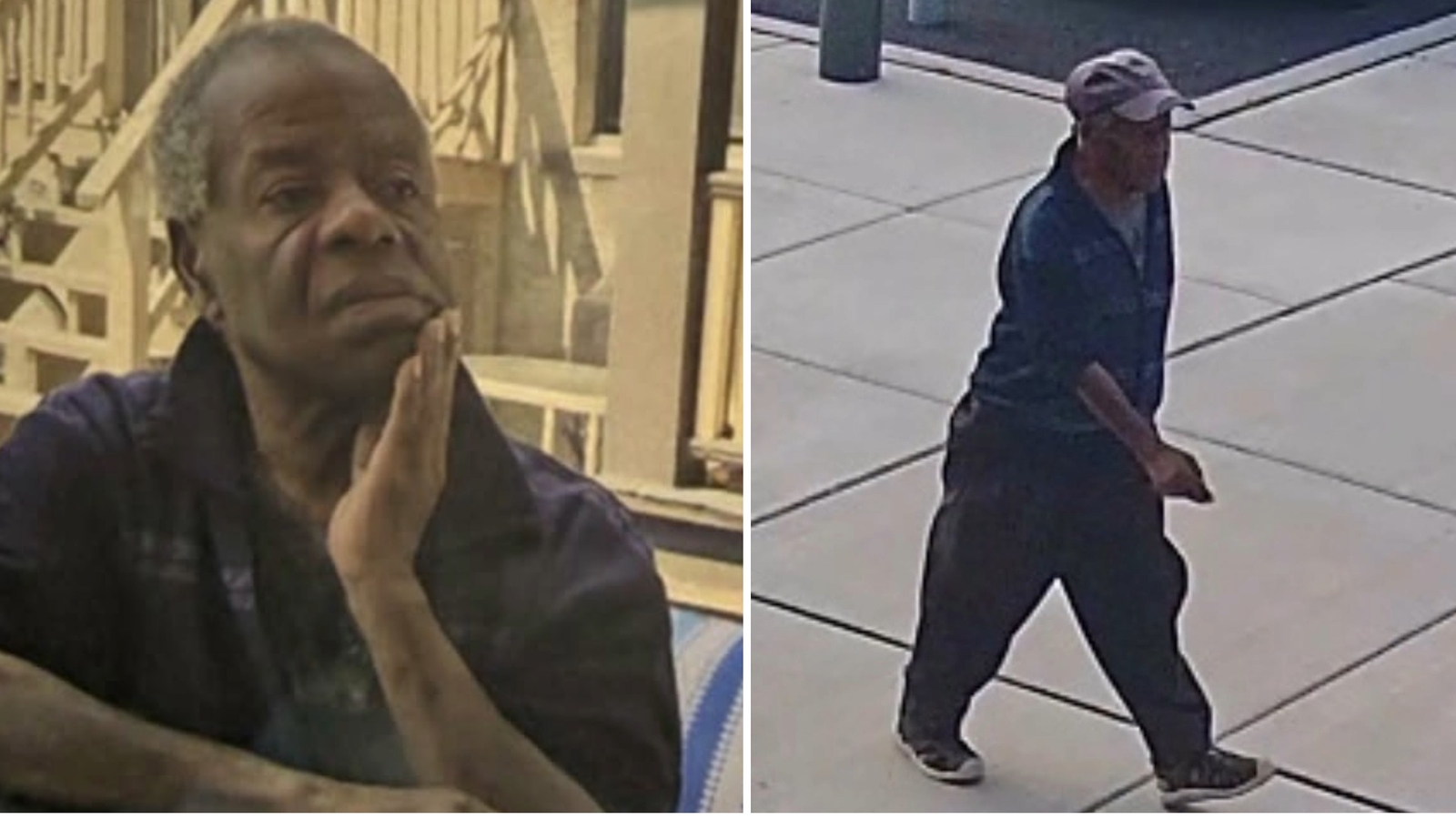
The Lansdowne Police Department is actively searching for a missing elderly man with dementia, and authorities are reaching out to the community for assistance. Seventy-five-year-old Jean Desmont, a resident of Brooklyn, New York, was last seen in the Lansdowne area of Delaware County, Pennsylvania, after walking away from a residence he was visiting. His disappearance has sparked concern among family members, law enforcement, and local residents alike, given the heightened risks that individuals with dementia face when they wander from familiar surroundings.
What Happened: Timeline of the Disappearance
According to the Lansdowne Police Department, Jean Desmont was visiting a Delaware County residence on Wednesday when he walked away from the home at approximately 5:35 p.m. He was last spotted near the intersection of Baltimore and Wycombe avenues in Lansdowne at around 6 p.m. At the time of his disappearance, Desmont was wearing black pants, a navy blue shirt, and a baseball cap.
Desmont’s family and law enforcement grew increasingly concerned when he failed to return to the residence. Given that he has been diagnosed with dementia, the situation was classified as urgent, as individuals living with cognitive impairments are particularly vulnerable when they become separated from a safe environment. The combination of unfamiliar surroundings, potential confusion, and the fading daylight made every passing hour critical to his safe recovery.
Who Is Searching for Desmont?
The Lansdowne Police Department has taken the lead in coordinating search activities, but they are not working alone. Local volunteers, community members, and neighboring law enforcement agencies have been alerted and are assisting in the effort. Anyone with information about the missing elderly man‘s whereabouts is urged to contact the Lansdowne Police Department directly. Individuals can also reach out to Sgt. Jon McGowan via email at jmcgowan@lansdowneborough.com.
The community response to searches like this one often plays a decisive role in locating missing persons, especially vulnerable individuals. Law enforcement agencies frequently stress that timely tips from the public can mean the difference between a safe return and a tragic outcome.
Understanding Dementia and Wandering Behavior
Desmont’s case highlights a serious and growing concern affecting millions of families across the country. Wandering is one of the most common and dangerous behaviors associated with dementia and other forms of cognitive decline. According to Alzheimer’s disease and dementia research organizations, roughly six in ten people living with dementia will wander at some point during the progression of their condition.
Why Do People with Dementia Wander?
There are several reasons why someone with dementia might walk away from a familiar environment:
- Confusion or disorientation: Individuals may forget where they are or how to return to a familiar location.
- Searching for something familiar: A person may believe they need to go to work, visit a childhood home, or find a loved one who is no longer alive.
- Restlessness or agitation: Unmet needs, boredom, or stress can trigger the urge to walk.
- Following old routines: Long-standing habits, such as taking a daily walk, may persist even after cognitive decline.
- Side effects of medication: Some medications can contribute to restlessness or confusion.
Understanding these triggers can help caregivers take preventive measures and respond more effectively when a missing elderly man or woman is reported.
The Critical First Hours: Why Speed Matters
Search and rescue experts emphasize that the first 24 hours are the most critical when a vulnerable person goes missing. Individuals with dementia may not be able to ask for help, may not remember their name or address, and may become increasingly disoriented as time passes. Weather conditions, traffic, and exposure to the elements can also pose serious risks, particularly during the evening or overnight hours.
Because of this urgency, many states have implemented Silver Alert systems, which function similarly to Amber Alerts but are specifically designed for older adults with cognitive impairments, dementia, or other medical conditions that put them at risk. These alerts are broadcast through highway signs, radio stations, television broadcasts, and mobile phone notifications, helping to mobilize entire communities quickly.
How to Help: Tips for Community Members
Community members play an essential role in locating missing individuals, particularly during the critical early hours of a search. Here are several ways residents can assist law enforcement in efforts to find a missing elderly man like Jean Desmont:
- Stay alert in your neighborhood: Keep an eye out for anyone who appears confused, lost, or unable to communicate clearly. Pay special attention to yards, parks, and wooded areas.
- Check your property: Look around sheds, garages, porches, and other less visible areas on your property where a disoriented person might seek shelter.
- Share information on social media: Reposting official alerts and sharing accurate details with your networks can dramatically expand the reach of a search effort.
- Provide tips to law enforcement: Even small details , like a sighting on a particular street or at a specific time , can help investigators narrow down a search area.
- Avoid spreading misinformation: Stick to verified information from official sources to prevent confusion and ensure that search efforts remain focused.
Prevention Strategies for Caregivers
While the search for Jean Desmont continues, his case also serves as an important reminder for families and caregivers of individuals with dementia. Taking preventive steps can help reduce the risk of wandering and improve safety for those living with cognitive decline.
Creating a Safer Environment
- Install door and window alarms: Simple sensor-based alerts can notify caregivers immediately if a door is opened.
- Use GPS tracking devices: Wearable GPS devices, medical alert bracelets, or smartphone applications designed for seniors can help locate individuals quickly.
- Camouflage exits: Painting doors the same color as walls or covering them with curtains can reduce the temptation to leave.
- Maintain a consistent routine: Predictable daily schedules can reduce confusion and agitation that may trigger wandering.
- Provide identification: Ensuring the person always carries identification or wears a medical alert bracelet can help if they become lost.
Planning for Emergencies
Every caregiver of a person with dementia should have an emergency plan in place. This includes keeping recent photographs and updated medical information readily available, knowing the locations of nearby dangerous areas such as bodies of water or busy roads, and having a list of emergency contacts easily accessible. Preparation during calm moments can make all the difference when seconds count.
Community Resources for Families Affected by Dementia
Families caring for loved ones who have cognitive decline do not have to navigate the journey alone. Numerous organizations offer support, education, and resources for those affected by Alzheimer’s disease and other forms of dementia. The Alzheimer’s Association, for example, provides a 24-hour helpline, safety services, and online tools designed specifically to help families manage wandering behaviors and other challenges associated with the disease.
Local community organizations, senior centers, and faith-based groups also offer respite care, support groups, and educational programs that can help caregivers build stronger support networks and learn practical skills for managing the daily realities of dementia care.
Conclusion
The search for Jean Desmont is a sobering reminder of how quickly a missing elderly man with dementia can become vulnerable when separated from a safe environment. As the Lansdowne Police Department and local community continue their search, the hope remains that Desmont will be located safely and reunited with his loved ones. His case also underscores the broader importance of dementia awareness, community vigilance, and proactive safety planning. Whether by sharing official alerts, keeping a watchful eye in our neighborhoods, or supporting caregivers in our own families, each of us has a role to play in protecting the seniors in our communities. If you have any information about Jean Desmont’s whereabouts, please contact the Lansdowne Police Department or Sgt. Jon McGowan at jmcgowan@lansdowneborough.com immediately.