
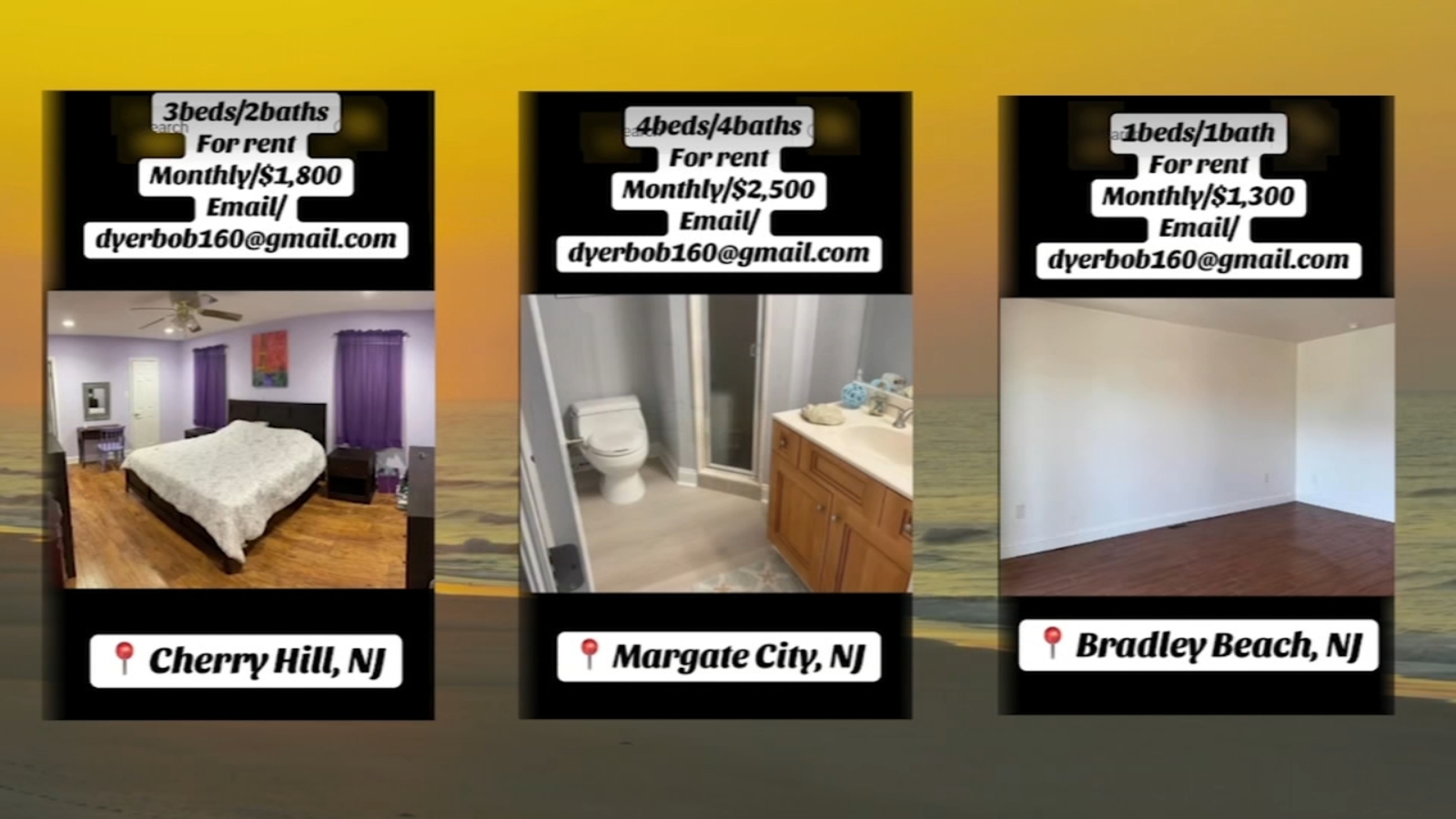
If you’re searching for your next apartment on social media, you need to hear about the latest TikTok rental scam that’s catching even savvy renters off guard. Real estate professionals in South Jersey are raising the alarm about a growing wave of cloned rental listings appearing on TikTok, where fraudsters hijack legitimate property photos and details to lure victims into sending deposits, application fees, and even first month’s rent for properties they have no right to rent.
This isn’t a hypothetical threat. It’s happening right now, costing real people real money, and it’s evolving faster than platforms can keep up. Here’s what every renter needs to know.
How the TikTok Rental Scam Works
The mechanics of this scheme are surprisingly simple, which is exactly why it’s spreading so quickly. Scammers browse legitimate rental platforms, copy high-quality photos, video walkthroughs, and detailed descriptions, then repost those listings on TikTok under their own accounts. They price the units significantly below market rate, creating a sense of urgency that pushes prospective tenants to act fast before “someone else grabs it.”
Once a renter reaches out, the scammer steers the conversation away from in-person showings and toward mobile payment apps like Venmo, Cash App, or Zelle. A typical pitch might include an “application fee” of $50 to $200, with promises that the keys are “just around the corner” once payment clears. Of course, those keys never arrive.
The RentwBob Account: A Case Study
One account operating under the handle RentwBob drew the attention of Action News investigators after multiple South Jersey realtors discovered their listings had been copied wholesale. The fraudulent account featured rentals in desirable locations including Margate City, Bradley Beach, and Cherry Hill, New Jersey, areas where competition for affordable housing is fierce.
What made the scheme particularly deceptive was the level of detail. The scammers didn’t just steal a single photo and write a generic description. They recreated full listings with accurate addresses, amenities, and pricing context, all designed to pass a quick credibility test from anyone scrolling through their feed.
Why TikTok Has Become the New Craigslist for Scammers
If this scheme feels familiar, you’re not imagining things. The same playbook has been running on Craigslist, Facebook Marketplace, and OfferUp for years. What changed is the platform. Maya Felsenstein, a Cherry Hill real estate agent whose listings were cloned, noted that fraudsters follow the audience, and renters in 2024 and 2025 are spending more time on TikTok than ever.
TikTok’s short-form video format is a uniquely effective delivery mechanism for real estate fraud. A 60-second walkthrough tour of a beautiful apartment carries far more emotional weight than a static Craigslist post. Renters see themselves living there. They share the video. They screenshot the address. By the time they realize something is off, the money is already gone.
There’s also the trust factor baked into TikTok’s algorithm. Videos that rack up views, comments, and shares feel vetted by the crowd. Scammers exploit this by purchasing early engagement or running their own coordinated network of accounts to inflate perceived legitimacy.
Real Victims, Real Listings: What Happened in South Jersey
Tom Dati, a realtor with Keller Williams Realty in Ocean City, discovered one of his Somers Point rental listings had been cloned when a prospective tenant called him directly to ask why the same property was being advertised at half his asking price on TikTok.
The cloned listing wasn’t a rough imitation. It used his professional photography, his descriptive language, and his property details, all the hallmarks of legitimate marketing. Whoever built the fake listing had clearly spent time studying how real agents present their properties, then replicated it almost perfectly.
Dati didn’t stop at filing a report. He contacted the person behind the TikTok account while posing as an interested renter to gather evidence. When he asked to tour the property in person, the scammer dodged the question repeatedly before eventually requesting a $100 application fee via Venmo or Cash App. When pressed for credentials, the scammer sent what looked like a New Jersey Real Estate Commission ID, but the state doesn’t issue real estate licenses through that body. The actual licensing authority is the Division of Banking and Insurance.
Dati filed a police report and reported the account to TikTok directly. His experience, unfortunately, illustrates a frustrating truth: even when legitimate agents flag fraudulent listings, the platform’s response can be painfully slow, and scammers simply open new accounts under different names and IP addresses to resume the operation.
Red Flags That Should Make You Pause
Spotting a fake rental listing on TikTok isn’t always easy, but there are several warning signs that should give you pause before you ever pull out your payment app.
- Pricing that seems too good to be true. If a luxury apartment in a competitive market is listed at 50% below comparable units, that’s not a deal. That’s bait.
- Reluctance to schedule an in-person showing. Legitimate landlords and property managers will always accommodate a tour. Anyone who refuses or deflects with elaborate excuses is hiding something.
- Pressure to pay before viewing. Real estate applications and deposits come after you’ve toured a property and reviewed a lease. Anyone demanding money upfront via Venmo, Cash App, or wire transfer is almost certainly running a scam.
- Missing or unverifiable credentials. Always verify that anyone offering you a rental is a licensed real estate agent or the actual property owner. State licensing boards maintain searchable databases.
- Listings that mirror properties on Zillow, Realtor.com, or MLS. Cross-reference every TikTok listing against legitimate databases. If the photos and description match but the price is dramatically different, you’re looking at a clone.
- Communication only through DMs or text. Legitimate agents use business email, phone numbers tied to registered brokerages, and often have office addresses you can visit.
How to Protect Yourself From a Rental Scam on TikTok
Defending yourself from this kind of fraud comes down to discipline. The excitement of finding a perfect apartment at a great price can cloud judgment, but a few non-negotiable habits will keep your money where it belongs.
Stick to Verified Listing Platforms
Treat TikTok as inspiration, not a transactional marketplace. Use it to discover neighborhoods, design ideas, and general price ranges, then take your actual apartment hunt to Zillow, Realtor.com, Apartments.com, Trulia, or your local MLS. These platforms verify listings and offer consumer protections that TikTok cannot.
Always Tour Before You Pay
No matter how compelling the listing looks, never wire money, send a Venmo payment, or hand over a Cash App transfer without stepping inside the property first. Walk the rooms. Test the appliances. Meet the person claiming to manage the unit. If they can’t or won’t arrange access, walk away.
Verify the Property Owner or Agent
If someone claims to be a licensed real estate agent, look them up on your state’s licensing database. For New Jersey, that’s the Department of Banking and Insurance. Every other state has an equivalent. Cross-check the name against the brokerage they claim to represent. A quick search can confirm or destroy their credibility in under five minutes.
Use Traceable Payment Methods
Credit cards and traditional bank transfers offer fraud protections that Venmo, Cash App, and Zelle do not. Even if a legitimate landlord prefers mobile payments, defaulting to a traceable method is the safer move. If something goes wrong, you want a paper trail that includes your bank’s customer service team.
Document Everything
Screenshot the listing, save the username, record the timestamps of your conversations, and keep copies of every message. If you do get scammed, this evidence is essential for police reports, platform takedown requests, and potential recovery efforts.
What to Do If You’ve Already Been Scammed
If you sent money to someone you now suspect is running a TikTok rental scam, act quickly. Time matters.
- Contact your payment provider immediately. Whether you used Venmo, Cash App, Zelle, or a credit card, file a fraud claim as soon as possible. Some platforms have buyer protection policies, though they’re often more limited than credit card chargebacks.
- File a police report. Local law enforcement may not always be able to recover funds, but a report creates an official record that helps with insurance claims, tax deductions, and broader investigations.
- Report the account to TikTok. Use the in-app reporting tools and flag the listing under fraud and scam categories. While TikTok’s response time can be slow, repeated reports from multiple users often accelerate takedowns.
- File a complaint with the FTC and FBI’s IC3. Federal agencies track rental fraud patterns and use aggregated reports to pursue larger investigations.
- Notify the legitimate listing agent. If you discovered the scam because a real agent’s listing was cloned, let them know. They can warn other prospective tenants and may have legal options you don’t.
The Bigger Picture: Platform Responsibility and the Future of Rental Fraud
TikTok has responded to public pressure by noting that it removed 99% of policy-violating videos in the first quarter of the year before they were reported, an impressive-sounding statistic that doesn’t capture what happens after a scam account gets banned. According to Dati, scammers simply switch accounts, rotate IP addresses, and resume operations under new handles. The RentwBob account was removed only after Action News began asking questions, and another account, @dyer870, was already posting similar cloned listings in its wake.
This whack-a-mole dynamic is what makes fake rental listings so persistent. Platforms can improve moderation, but the underlying economics favor the scammer: a single successful fraud can net hundreds or thousands of dollars, and the cost of creating a new TikTok account is essentially zero. Until platforms invest more heavily in identity verification, the burden falls on renters.
Final Thoughts: Stay Skeptical, Stay Safe
The convenience of finding apartments on social media is real, and there’s nothing wrong with using TikTok as part of your search process. Just don’t let an algorithmic feed become your leasing office. Verify every listing through legitimate channels, refuse to send money until you’ve toured the property, and trust your instincts when something feels off. The TikTok rental scam may be new, but the principles of avoiding rental fraud are timeless. A deal that seems too good to be true almost always is.