
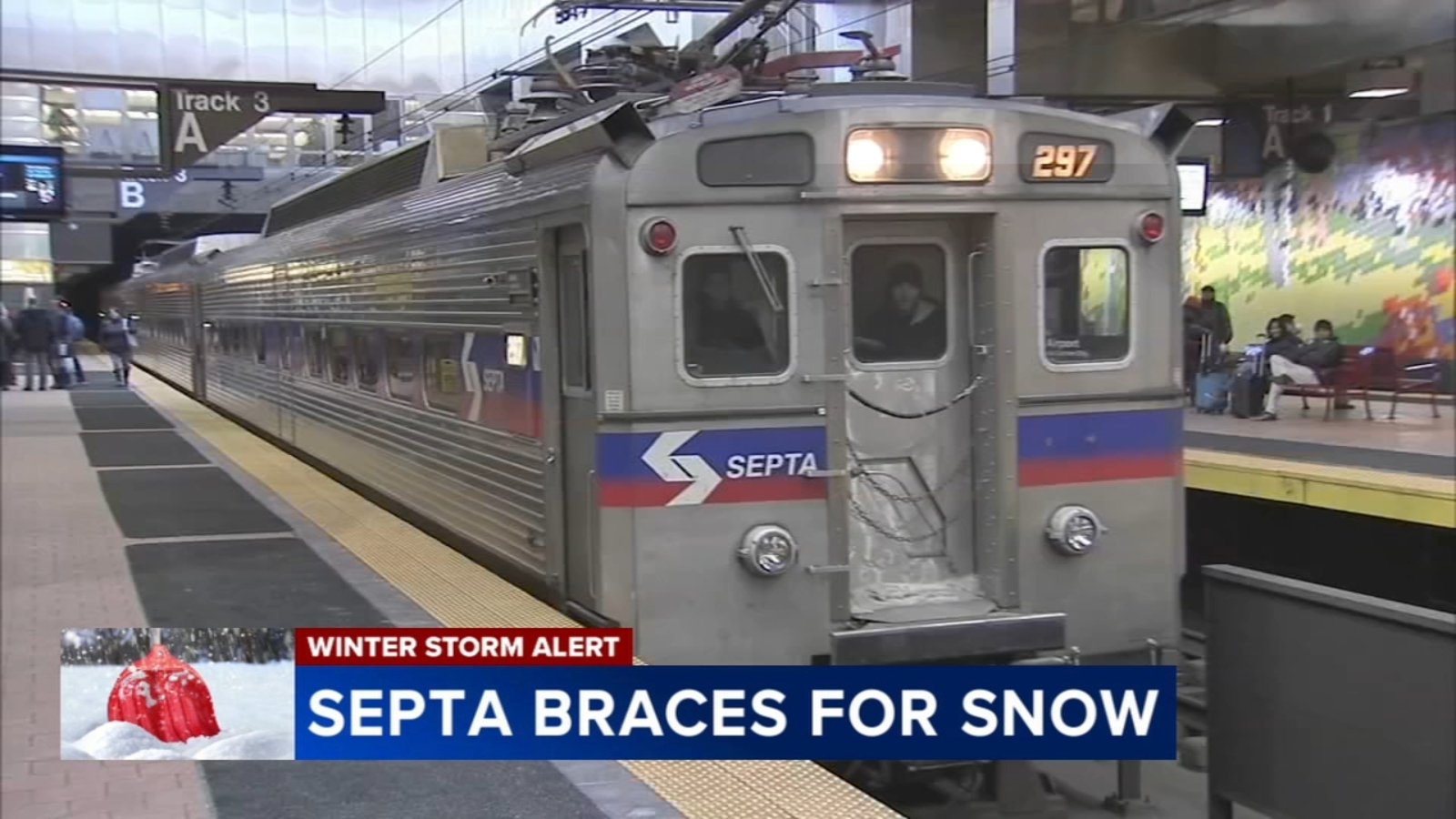
As a powerful winter storm bears down on the Philadelphia area, SEPTA winter storm disruptions are expected to create widespread headaches for commuters this weekend. The Southeastern Pennsylvania Transportation Authority has issued a stark warning to riders, urging everyone to prepare for major delays, cancellations, and even full SEPTA service shutdowns as conditions deteriorate across the region.
With snowfall expected to accumulate rapidly on Sunday, transit officials are advising passengers to reconsider nonessential travel entirely. Those who must travel are being directed toward specific rail lines that are projected to remain operational through the worst of the weather.
SEPTA Officials Sound the Alarm Ahead of Sunday Storm
SEPTA spokesperson Andrew Busch delivered a sobering message to Philadelphia residents during a recent press briefing, making it clear that Sunday would be far from a normal travel day.
“You’re almost certainly going to encounter cancelations, significant delays, and at some point during the day, we’re probably going to have to start shutting services down,” Busch stated, emphasizing the severity of the incoming Philadelphia winter storm.
The warning represents one of the most urgent pre-storm advisories SEPTA has issued in recent memory. Rather than sugarcoating the situation, the agency is taking a transparent approach, ensuring riders understand that the combination of heavy snow and rapidly deteriorating road conditions will likely make traditional bus and rail service impossible to maintain for extended stretches of time.
Why Bus Service Will Be Hit First
Anyone familiar with Philadelphia transit knows that buses tend to be the most vulnerable mode of transportation during severe weather. The Philadelphia snowstorm travel forecast has prompted SEPTA to flag bus service as the initial casualty of this storm.
Several factors make buses particularly susceptible to disruption:
- Snow-covered and icy roads that slow travel times dramatically
- Reduced visibility for drivers navigating whiteout conditions
- Blocked routes from abandoned vehicles or downed tree limbs
- Mechanical strain on vehicles operating in extreme cold
As conditions worsen throughout Sunday, riders should expect bus detours, extended wait times, and eventually, full suspension of service on routes where travel becomes too dangerous for operators and passengers alike.
Regional Rail Faces Potential Pullback
Following buses, SEPTA’s Regional Rail network represents the next major concern for the transit agency. According to Busch, the unique infrastructure challenges of rail service make it especially vulnerable during periods of rapid snow accumulation.
“Regional Rail, you know, those tracks all being out and exposed, there really isn’t an effective way to clear that if we’re getting rapid accumulation. So at some point, we’ll have to make a call, likely to pull those services back as well,” he explained.
Unlike enclosed subway tunnels, above-ground rail tracks remain exposed to the elements. Even with dedicated snow removal equipment, maintaining service becomes logistically impossible once snowfall exceeds a certain threshold. SEPTA officials are prioritizing both rider safety and the long-term health of their equipment, recognizing that running trains through dangerous conditions could lead to costly damage that delays service restoration for days afterward.
Protecting Equipment for Faster Recovery
One critical reason SEPTA may proactively shut down service relates to equipment preservation. Transit infrastructure, particularly rail switches, overhead power lines, and vehicle components, can suffer severe damage when operated in extreme winter conditions.
By pulling services before catastrophic failures occur, the agency positions itself to restore normal operations more quickly once the storm passes. This calculated approach, while frustrating in the short term, ultimately benefits the broader Philadelphia community by minimizing the total duration of public transit delays Philadelphia riders will face.
Real Impact on Essential Workers and Daily Commuters
Behind every service disruption statistic are real people whose lives are turned upside down by transit shutdowns. The looming SEPTA winter storm disruptions have already sparked anxiety among workers who depend on public transportation to reach their jobs, particularly those in essential industries.
Financial Strain on Working Families
Bajotta Richardson, a Wynnefield resident, spoke candidly about the financial burden these disruptions create for everyday Philadelphians.
“It would mess me up. I’d have a hard time getting to work. It would be more Ubers. I gotta spend more money,” Richardson explained, highlighting how storm-related transit failures cascade into larger economic challenges for working families already operating on tight budgets.
When buses and trains stop running, the cost of alternative transportation, including rideshare services, taxi fares, and sometimes even emergency accommodations near workplaces, can quickly add up. For hourly workers, missing a shift entirely can mean the difference between making rent and falling behind on bills.
Healthcare Workers Face Impossible Choices
Perhaps no group feels the pressure of winter weather transit shutdowns more acutely than healthcare workers. Ashley Marcus, also from Wynnefield, works in healthcare and voiced serious concerns about how the storm will affect her colleagues.
“Since I am a healthcare worker, some of us, it’s not an option to come into work every day. So the fact that we have to make it through, some of us without public transportation, is gonna be extremely rough on all of us,” Marcus said.
Hospitals and medical facilities operate around the clock, regardless of weather conditions. When transit shuts down, healthcare workers must navigate creative (and sometimes dangerous) alternatives just to show up for shifts that save lives. Marcus noted that some of her coworkers have already resorted to humor about the situation, joking they might “be skiing into work on Monday.”
SEPTA’s Recommended Alternatives: The Lines That Will Keep Running
While much of the transit network faces uncertainty, SEPTA has identified two specific rail lines expected to remain operational through the storm’s worst impacts. Riders who absolutely must travel on Sunday are being directed toward the Broad Street Line service and the Market-Frankford Line.
These subway-surface lines benefit from substantial portions of their routes running underground or in dedicated rights-of-way, making them more resilient to snow and ice accumulation. Here’s why these particular services stand out:
- Mostly grade-separated routes that avoid street-level traffic and snow-covered roads
- Underground tunnel sections that protect tracks from accumulation
- Third-rail power systems less vulnerable to ice than overhead catenary lines
- Dedicated infrastructure that’s easier to maintain during weather events
Riders needing to cross the city should plan their journeys around these two lines whenever possible, even if it means longer walks to reach a station.
Preparing for the Storm: What Riders Should Do Now
With the storm still days away, SEPTA and city leaders are encouraging Philadelphians to take proactive steps before conditions deteriorate. The agency’s general manager is scheduled to join Philadelphia’s mayor and other city officials for a storm preparation update, where additional details about service plans will likely be announced.
In the meantime, riders should consider the following preparations:
- Stock up on essentials before Saturday night to avoid unnecessary Sunday travel
- Identify alternative transportation options in case your regular routes shut down
- Sign up for SEPTA alerts through the official app and email notifications
- Discuss remote work possibilities with employers if Sunday shifts aren’t absolutely essential
- Plan backup routes using the Broad Street Line or Market-Frankford Line if travel is unavoidable
Safety Drives Every Decision
Ultimately, SEPTA officials emphasize that every service decision during the storm comes back to one fundamental priority: safety. Both rider safety and employee safety guide decisions about when to continue service, when to reduce operations, and when to shut down entirely.
Operating buses on snow-covered roads puts drivers and pedestrians at risk. Running trains through accumulating snow threatens both passengers and critical infrastructure. SEPTA’s leadership has made clear that protecting human life will always take precedence over maintaining scheduled service.
Staying Informed Through the Storm
Given the rapidly evolving nature of weather forecasts and the operational decisions that follow them, riders should commit to staying informed throughout the weekend. SEPTA will communicate Regional Rail cancellations, bus service updates, and any emergency shutdowns through multiple channels, including their website, mobile app, social media accounts, and station announcements.
Local news outlets will also provide continuous coverage of how the Philadelphia winter storm affects transit operations, with reporters stationed throughout the region to track conditions in real time.
Conclusion: A Difficult But Necessary Reality
The approaching winter storm presents a significant challenge for Philadelphia’s transit system and the millions of residents who depend on it. While SEPTA winter storm disruptions will undoubtedly create frustration, financial strain, and logistical headaches for countless commuters, the agency’s proactive approach to service reductions reflects a responsible commitment to safety and long-term operational viability.
Essential workers like Ashley Marcus will face the hardest paths to their jobs, while families like Bajotta Richardson’s will feel the financial pinch of alternative transportation costs. However, by heeding official guidance, planning ahead, and supporting one another through community resources, Philadelphia can weather this storm just as it has weathered many before.
As Sunday approaches, the best advice remains simple: stay home if you can, use the Broad Street Line or Market-Frankford Line if you must travel, and trust that service restoration efforts will move as quickly as conditions allow once the snow finally stops falling.