
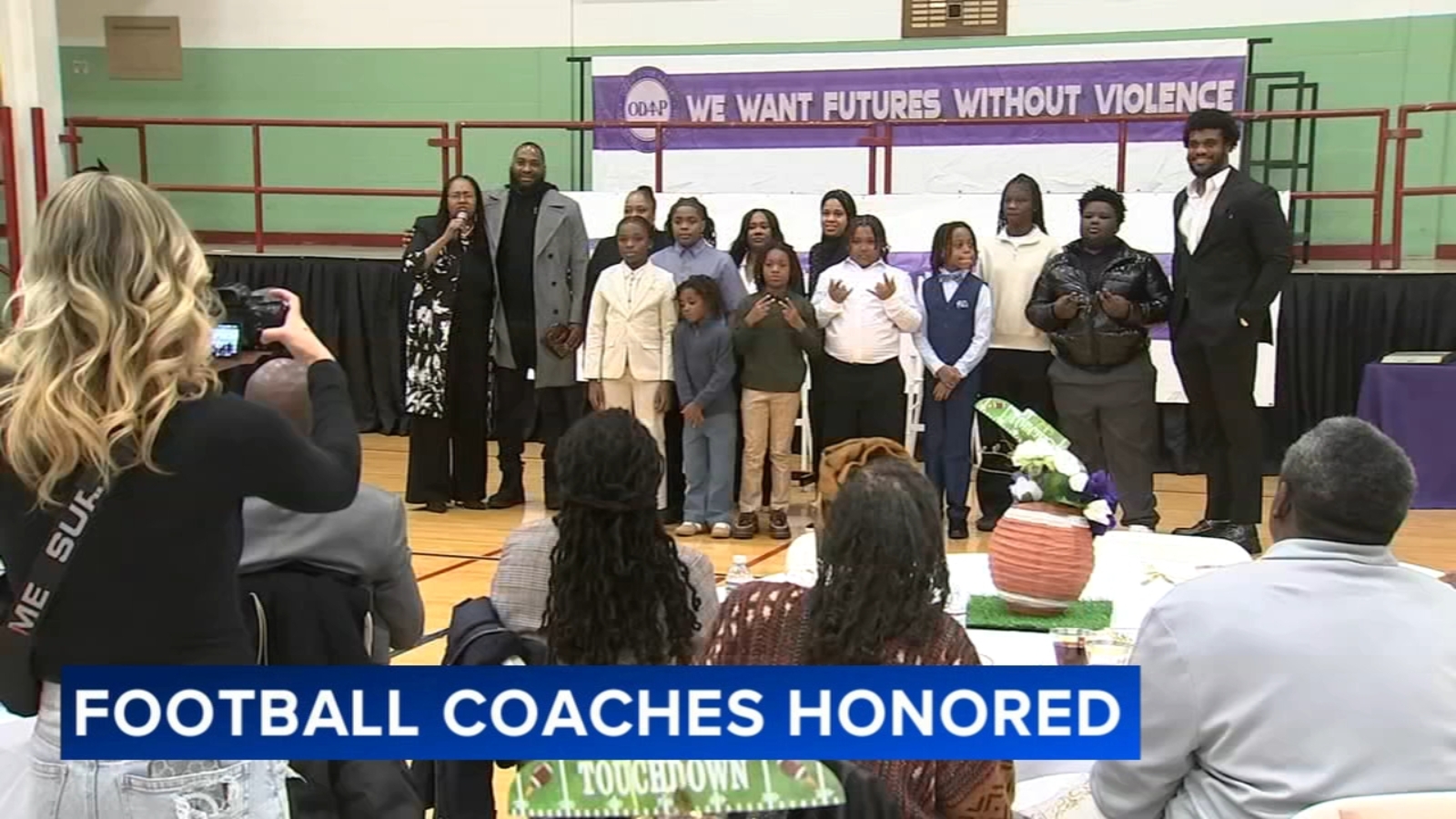
Trauma-informed coaching is taking on greater importance in Philadelphia youth sports. A group of 15 football coaches was recently recognized for completing training that prepares them to support student-athletes dealing with academic pressure, community violence, grief, emotional distress and other difficult experiences.
The coaches completed the Open Door Abuse Awareness and Prevention program, which focuses on mentorship, violence prevention and safer environments for young people. Through the training, participants learned how to recognize potential mental health concerns, respond with greater empathy and help young athletes develop healthier ways to manage emotions.
For the coaches involved, the goal extends far beyond improving performance on game day. They want players to know that they are seen, heard and capable of building a more stable future.
Why Trauma-Informed Coaching Matters in Youth Sports
Athletics can provide structure, belonging and positive adult relationships, but coaches may also be among the first people to notice when a young athlete is struggling. Students who appear distracted, withdrawn, irritable or disengaged may be responding to experiences that have little to do with football itself.
A trauma-informed approach encourages coaches to look beyond surface behavior. Instead of labeling a young person as unmotivated or defiant, they learn to consider what may be influencing that behavior and how to respond constructively.
This does not mean coaches are expected to diagnose trauma or solve every problem. Rather, the training gives them tools to notice warning signs, create opportunities for conversation and connect young people with appropriate support. A simple check-in, calm response or willingness to listen can help an athlete feel less alone.
Coaches as a Source of Stability
Marcus Fulton, athletic director and football coach at Boys’ Latin of Philadelphia Charter School, has spent 25 years coaching in the city. He described athletics as a powerful force in his own life and said his experience has exposed him to the challenges many players encounter.
Those challenges can include academic difficulties, exposure to violence, emotional struggles and the loss of teammates or other people in their lives. Fulton noted that he has lost players during his coaching career, underscoring how deeply community trauma can affect a team.
Coaches may not always know what a player is carrying, but consistency can make a difference. Practices, meetings and games provide scheduled opportunities for young people to connect with trusted adults. For some athletes, a team may represent one of the most dependable parts of life.
Building a Trauma-Informed Lens
Valencia Peterson, founder of the Open Door Abuse Awareness and Prevention program, said the initiative helps coaches develop a trauma-informed lens. That means learning to understand how adverse experiences may affect behavior, emotions, relationships and a young person’s ability to feel secure.
Peterson founded the program after experiencing the killing of her mother during her own youth. Her experience helped shape its emphasis on mentorship, violence prevention and safe spaces. The program also works with boys and girls who are not involved in sports, reflecting its broader mission of supporting young people throughout Philadelphia.
At the center of the training is the belief that coaches often serve as an important first line of support. They may be mentors, role models, authority figures and stable adults in a young person’s life. Trauma-informed coaching helps them carry those responsibilities with greater awareness and care.
Skills Coaches Can Use On and Off the Field
The program teaches practical skills that coaches can apply in everyday interactions with athletes. These include:
- Leading with empathy: Listening to concerns without dismissing them or responding with immediate judgment.
- Managing emotions: Helping athletes pause, identify what they are feeling and choose a constructive response.
- Recognizing warning signs: Noticing changes in mood, behavior, engagement or emotional well-being that may indicate a need for support.
- Creating safe spaces: Establishing team environments where young people feel respected and comfortable asking for help.
- Offering consistent mentorship: Building dependable relationships that extend beyond wins, losses and athletic performance.
These skills can also influence the overall team culture. When coaches respond to mistakes with patience instead of shame, model emotional control and take personal concerns seriously, athletes are more likely to view the program as a supportive community.
Helping Athletes See More Possibilities
Adolph Sanna, a coach with the MidCity Tigers, hopes the training will help athletes understand that life can offer something beyond the pressures and losses they may already know. He wants young people to encounter a community that takes their fears, doubts and daily experiences seriously.
That message is especially meaningful for students whose confidence may be affected by instability outside school or sports. A coach’s encouragement can help an athlete recognize strengths that may not be apparent during a difficult season.
Supportive coaching does not remove the demands of competition. It does, however, remind athletes that their value is greater than a score, a starting position or the outcome of a game. That perspective can strengthen resilience and give young people a healthier foundation for handling challenges.
Preparing Young People for Life Beyond Sports
Fulton hopes the lessons his players learn through football will remain with them long after they leave the field. He wants them to grow into successful adults, caring partners, responsible fathers and positive mentors in Philadelphia.
This long-term focus reflects a central idea of youth athletics: sports can be a starting point, not an endpoint. Discipline, teamwork and leadership can transfer into school, relationships, careers and community involvement. Trauma-informed training helps ensure that those benefits are available to students who may need additional understanding and support.
By recognizing the whole person behind the uniform, coaches can create stronger teams and healthier communities. They can also make it clear to young athletes that asking for help is not a sign of weakness. It is a practical step toward safety, healing and personal growth.
A Broader Mission for Philadelphia’s Youth
The Open Door Abuse Awareness and Prevention program is not limited to student-athletes. In addition to training coaches, it provides mentorship for boys and girls who do not participate in organized sports. Its aim is to help young people throughout the city become the best versions of themselves.
That broader mission is important because not every young person has access to a team, a coach or a structured athletic program. Safe, consistent relationships can make a difference in many settings, including schools, neighborhoods, community organizations and family support networks.
The Future of Trauma-Informed Coaching
The recognition of the 15 Philadelphia coaches highlights a growing understanding of what young athletes may experience and the role adults can play in responding. Coaches cannot replace counselors, teachers, family members or other professionals, but they can be better prepared to recognize concerns and guide players toward help.
As more programs adopt trauma-informed coaching practices, youth sports can become more than a place to compete. They can be environments where young people develop emotional awareness, form lasting relationships and experience stability. For Philadelphia’s coaches, that makes the work personal: helping each athlete feel supported not only as a player, but as a person with hopes, fears and unlimited potential.