
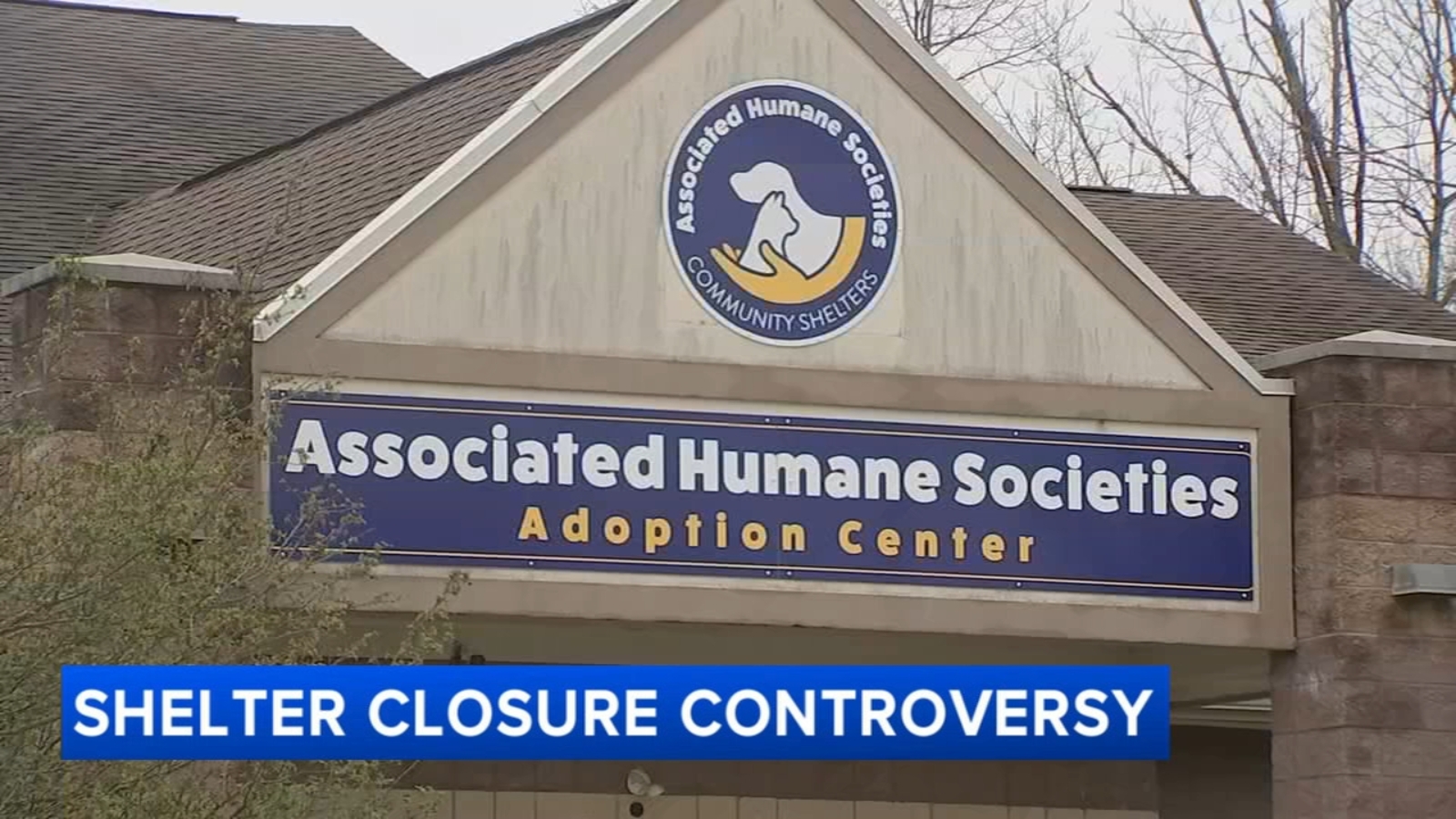
The city of Vineland, New Jersey, is facing an unexpected crisis in animal welfare services after the Vineland animal shelter suspended operations due to an ongoing contract dispute. Associated Humane Societies South, the nonprofit organization responsible for running the shelter, officially ceased services on April 1, leaving residents without a dedicated facility for stray, abandoned, or injured animals. The closure has sparked concern among local pet owners, animal advocates, and city officials who are scrambling to find temporary solutions.
This unexpected shutdown has left the community grappling with questions about how strays will be handled, where lost pets can be reclaimed, and what the future holds for animal welfare in Cumberland County. As both sides exchange statements and counter-statements, residents like Ken McGill of Mauricetown and Katelyn Parsons of Leesburg are voicing their frustration over an outcome that ultimately affects vulnerable animals most.
What Happened at the Vineland Animal Shelter?
On Thursday, closed signs appeared on the doors of the Vineland animal shelter, marking a sudden end to services that residents had relied on for years. Although staff members were observed entering and exiting the building throughout the day, no animals were being accepted from the public. Associated Humane Societies South confirmed in an online statement that it had suspended all sheltering and animal control services as of April 1.
The nonprofit, which operates multiple animal shelters throughout New Jersey, attributed the suspension to a breakdown in negotiations with the city of Vineland. According to the organization’s statement, the city had failed to sign a contract renewing the agreement for 2026, despite multiple deadlines having passed. Without a binding agreement in place, the nonprofit argued it could no longer justify continuing its operations in the city.
The abrupt nature of the closure caught many residents off guard. McGill, a longtime supporter of the shelter who has brought strays there in the past, expressed mixed feelings about the situation. “It was clean. The animals there were well kept. Staff was nice. But again, nowadays you have to look at the bottom line,” he told local news outlets.
The City’s Side of the Contract Dispute
City officials have pushed back against the characterization offered by Associated Humane Societies South. Rather than placing blame on bureaucratic delays, the city claims the contract stalemate stems from legitimate concerns about the shelter’s operations. According to a city spokesperson, those concerns centered on three key areas:
- Billing practices – Questions arose about how the shelter was invoicing the city for services rendered
- Intake procedures – Concerns were raised regarding how animals were being received and processed
- Licensing compliance – Issues emerged around proper licensing and regulatory adherence
The city council reportedly approved two separate resolutions aimed at preserving the partnership with the Vineland animal shelter, despite acknowledging reservations about the organization’s performance. A spokesperson explained that the second resolution was passed reluctantly, driven by the absence of viable alternatives. However, that offer was ultimately rejected by Associated Humane Societies South, which then formally rescinded its offer to provide services.
This back-and-forth reveals a deeper tension between the nonprofit and municipal government, one that apparently existed long before the public closure announcement. While both sides agree that negotiations reached an impasse, they disagree sharply on who bears responsibility for that outcome.
Impact on Cumberland County Residents
The closure extends beyond city limits, affecting the broader Cumberland County region. Associated Humane Societies South noted in its statement that it must still honor contractual commitments to other communities it serves, meaning resources cannot simply be redirected to fill the gap left by the Vineland closure. The organization has offered to assist individual residents on a case-by-case basis, though this represents a significant reduction from the comprehensive services previously available.
For residents like Parsons, the emotional toll is considerable. “It’s terrible. Honestly. It sucks for all the animals around here,” she said, echoing sentiments shared by many in the community. The sudden absence of a reliable shelter means that stray animals, injured wildlife, and lost pets now have fewer places to turn. Animal advocates worry about increased euthanasia rates, longer stays in less suitable facilities, and a rise in abandoned animals on local streets.
Temporary Measures and Next Steps
In the immediate aftermath of the closure, city officials have urged residents who encounter stray or injured animals to contact an animal control officer directly. A temporary alternate shelter arrangement is reportedly in place, though details about which facility is handling overflow cases and how long that arrangement will last remain unclear. City leaders have indicated they are exploring longer-term solutions to restore permanent sheltering services for Vineland residents.
Meanwhile, Associated Humane Societies South has remained largely silent beyond its initial public statement. Staff members at the Vineland location referred all media inquiries to officials in North Jersey, where the organization’s headquarters are located. Multiple attempts to reach the nonprofit for additional comment were unsuccessful, leaving many questions unanswered about the timeline for potential resolution or reinstatement of services.
Broader Implications for Animal Welfare in New Jersey
The situation in Vineland highlights a growing challenge facing municipalities across New Jersey and the nation: how to fund and manage animal sheltering services in an era of rising costs and tight municipal budgets. Nonprofit organizations like Associated Humane Societies have historically filled critical gaps left by government agencies, but those partnerships require careful negotiation, transparent accounting, and mutual trust.
When those partnerships break down, the animals pay the price. Shelter closures create ripple effects throughout the animal welfare ecosystem, including:
- Increased strain on neighboring shelters that may absorb displaced animals
- Higher costs for municipal animal control programs forced to expand operations
- Greater risk to public safety from unmanageable stray populations
- Reduced adoption opportunities for animals in need of homes
- Emotional burnout for volunteers and rescue workers attempting to fill the void
Vineland’s experience may serve as a cautionary tale for other communities navigating similar contract negotiations with shelter operators. The case underscores the importance of clear communication, realistic expectations, and contingency planning when essential animal welfare services are at stake.
Looking Ahead: Can the Vineland Animal Shelter Reopen?
At this point, the path forward remains uncertain. Both the city and Associated Humane Societies South would need to return to the negotiating table to address the outstanding concerns that derailed the 2026 contract. Whether that happens, and under what terms, will likely depend on political will, public pressure, and the willingness of both parties to compromise.
Residents who want to support a resolution can engage with city council members, attend public meetings, and advocate for sustainable funding solutions that ensure the Vineland animal shelter can reopen its doors. In the meantime, local rescues and foster networks may become even more critical resources for animals in need throughout the region.
Conclusion
The closure of the Vineland animal shelter represents more than a contractual disagreement; it reflects a fundamental breakdown in the relationship between a city and an organization tasked with caring for its most vulnerable animals. As Vineland officials and Associated Humane Societies South trade statements about who is to blame, the animals themselves remain caught in the middle without a reliable safety net. Residents, advocates, and policymakers must now work together to find a sustainable path forward that prioritizes animal welfare while addressing the legitimate concerns that led to this impasse. Until a new agreement is reached, the community will continue to navigate an uncertain landscape, hoping that a permanent solution is on the horizon for the sake of every animal that depends on these essential services.