
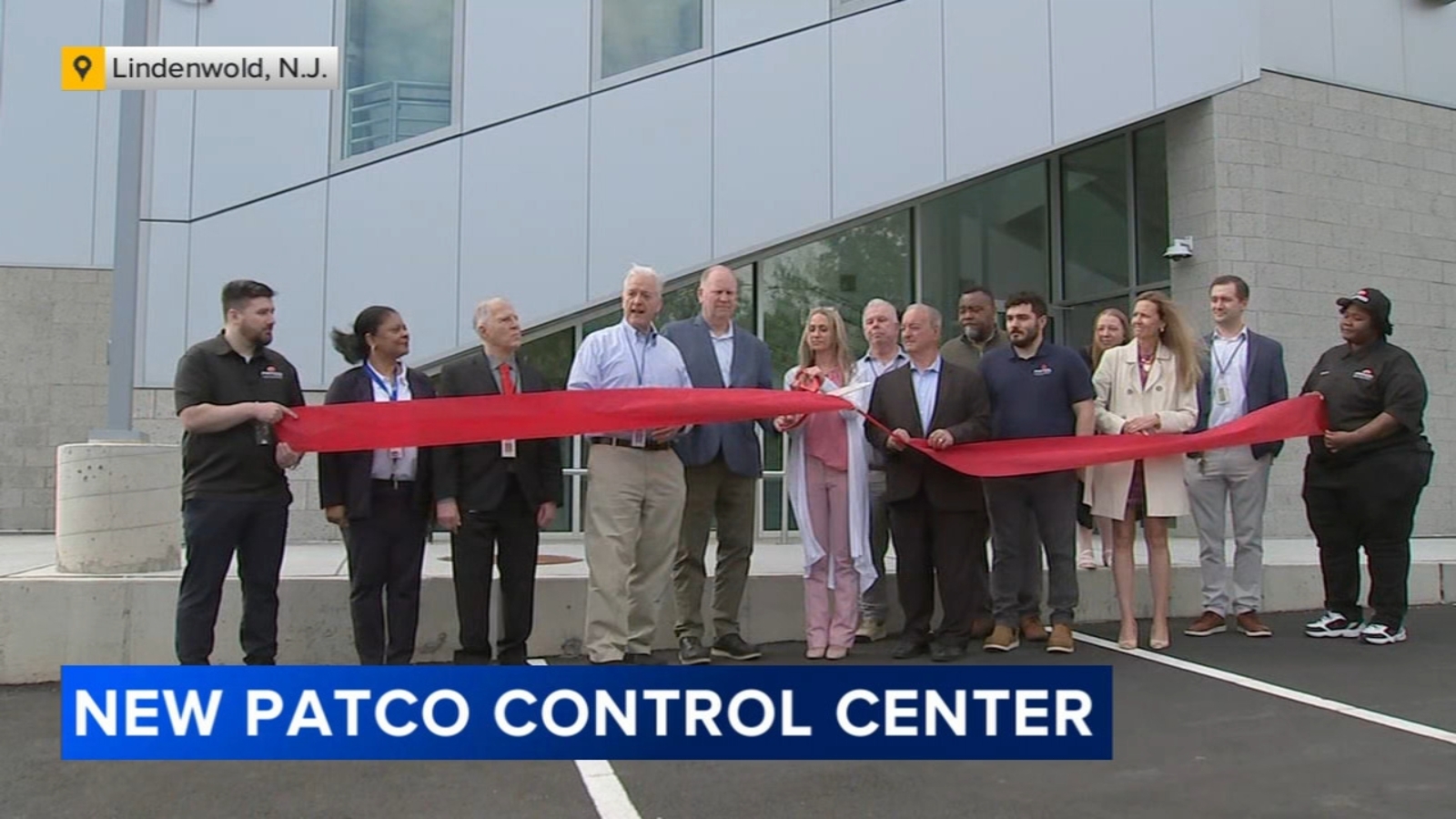
Commuters and transit enthusiasts in the Delaware Valley have a new reason to celebrate as PATCO officially unveiled its patco new operations center in Lindenwold, New Jersey. After years of planning and construction, the state-of-the-art facility now serves as the operational nerve center for one of the busiest commuter rail systems in the Philadelphia metropolitan area. The ribbon-cutting ceremony marked a significant milestone in regional transportation infrastructure and signaled PATCO’s commitment to delivering safer, more reliable service for decades to come.
The approximately $19.4 million facility represents a major leap forward from the agency’s original Center Tower, which had been operating out of a building in Camden constructed back in 1969. For more than five decades, PATCO managed train movements, coordinated emergency responses, and oversaw daily operations from aging infrastructure that was increasingly difficult and costly to maintain. The new Lindenwold facility addresses those challenges head-on, providing modern technology, improved workflows, and a foundation for future expansion.
The Birth of a Modern Transit Hub
Located on North Carlton Street in Lindenwold, the new PATCO operations control center is more than just a building,it’s the heartbeat of an entire transit network. Every train that runs along the 14.2-mile line connecting Lindenwold to Center City Philadelphia now operates under the watchful eye of dispatchers and operations staff working from this newly constructed hub.
The project came to fruition after years of deliberation among PATCO leadership, the Delaware River Port Authority (DRPA), and various municipal stakeholders. Aging equipment, limited space, and outdated technology in the original Center Tower made it clear that a complete replacement was necessary rather than another round of patchwork upgrades.
“This is the kind of investment that pays dividends for generations,” noted one regional transit observer familiar with the project. “When you replace a control center that’s been running since the late 1960s, you’re not just upgrading equipment,you’re reimagining what transit operations can look like in the modern era.”
Replacing a 56-Year-Old Workhorse
The original PATCO Center Tower operations facility in Camden had faithfully served the agency since 1969, the same era that saw humans walk on the moon and Woodstock take place. While the building held historic significance, it was simply no longer suited to the demands of contemporary transit management. Critical systems had been upgraded piecemeal over the years, but the underlying infrastructure,wiring, HVAC, workspace configuration,had reached the end of its useful life.
By contrast, the new patco operations control center was designed from the ground up with current and future needs in mind. Modern dispatch consoles, redundant communication systems, enhanced video monitoring capabilities, and ergonomic workstations for staff all come together to create an environment where operations can be managed efficiently and safely.
What the New Center Does for Riders
While the operations center is primarily a behind-the-scenes facility, its impact on everyday riders is significant. Every aspect of PATCO service,from on-time performance to safety incident response,flows through this central hub. When trains experience delays, when signal problems arise, or when weather events require service adjustments, decisions made at this facility directly affect the thousands of commuters who rely on PATCO each day.
Enhanced Safety and Reliability
One of the most important benefits of the new Lindenwold NJ transit facility is the enhanced safety and reliability it brings to the entire system. The center features:
- Advanced train tracking systems that provide real-time location data for every train on the line
- Improved communication networks linking dispatchers with train crews, maintenance staff, and emergency responders
- Modern video surveillance covering stations, platforms, and key infrastructure points
- Redundant power and data systems to ensure operations continue even during outages
- Ergonomic workspace design that supports staff during long shifts and high-pressure situations
These capabilities translate into faster response times when incidents occur, better coordination during planned service changes, and ultimately a smoother experience for the passengers who depend on PATCO every workday.
Supporting Future Growth
Beyond the immediate operational benefits, the new PATCO train operations facility was built with scalability in mind. As ridership patterns evolve and new technologies emerge in the transit industry, the building has the physical space and infrastructure to accommodate future upgrades without requiring another complete replacement.
This forward-thinking approach is particularly important given the broader trends in American transit, including:
- Growing interest in transit-oriented development around suburban stations
- Increasing demand for real-time passenger information
- Potential integration with emerging mobility options like microtransit and micromobility
- Need for stronger cybersecurity protections against emerging threats
By investing in a flexible, modern facility now, PATCO is positioning itself to adapt to these changes without facing the same infrastructure limitations that hampered the previous control center.
The Significance of the $19.4 Million Investment
The price tag for the new facility,approximately $19.4 million,reflects the scale and complexity of building a modern transit operations center from scratch. While that figure might sound substantial, it’s relatively modest when compared to other major transit infrastructure projects in the region and across the country.
For context, similar control center projects in cities like New York, Chicago, and Washington D.C. have frequently cost hundreds of millions of dollars. The relatively efficient delivery of the Camden County transportation hub speaks to careful planning and strong project management by PATCO and its partners at the DRPA.
Economic and Community Impact
The construction phase of the project provided work for contractors, engineers, and tradespeople in the region. Once operational, the facility itself supports a team of dispatchers, supervisors, and technical staff, contributing to the local economy in Lindenwold and surrounding communities.
Beyond direct employment, the presence of a major transit operations facility can serve as an anchor for additional investment. Modern transit hubs often catalyze nearby commercial and residential development, and Lindenwold,already a key node in the regional rail network,stands to benefit from the increased visibility and infrastructure that comes with housing PATCO’s primary control center.
A Look Back at PATCO’s History
To appreciate the significance of the new operations center, it’s worth remembering how PATCO got its start. The Port Authority Transit Corporation began service in 1969, the same year the original Center Tower opened its doors. The system was created to provide fast, reliable transit between southern New Jersey communities and Center City Philadelphia, crossing the Delaware River via the Benjamin Franklin Bridge.
For decades, PATCO has been an essential part of the regional transportation ecosystem, carrying tens of thousands of passengers daily. The system connects dense suburban neighborhoods in Camden County with major employment centers in Philadelphia, and it plays a critical role in reducing highway congestion across the Delaware River.
Throughout its history, PATCO has invested in continuous improvements,from new rolling stock to upgraded station facilities to modernized track and signal systems. The PATCO Center Tower replacement represents the latest and perhaps most consequential of these investments, touching virtually every aspect of how the system operates.
Looking to the Future of PATCO
With the new operations center now online, PATCO can turn more of its attention to other priorities on its modernization roadmap. Potential future initiatives could include additional station improvements, expanded real-time information for passengers, and continued investment in rolling stock to ensure a comfortable and reliable ride.
Building a Foundation for the Next Half-Century
The new Lindenwold facility is designed to serve PATCO for at least as long as the building it replaced. That means transit planners and engineers who designed the center were thinking about 2075 and beyond,about the technologies that don’t yet exist and the ridership patterns that haven’t yet emerged.
This kind of long-term thinking is essential in transit, where infrastructure investments typically pay off over many decades. The decisions made today about workspace flexibility, power capacity, and communication systems will shape what PATCO can accomplish for the next 50 years and beyond.
Recognition for a Job Well Done
The ribbon-cutting ceremony that officially opened the facility was attended by PATCO leadership, DRPA officials, local dignitaries, and members of the media. The event marked not just the completion of a building project, but the culmination of years of collaboration among engineers, planners, construction workers, and transit professionals.
Conclusion
The opening of the patco new operations center in Lindenwold represents a proud moment for the agency and for the entire Delaware Valley region. By replacing an aging 1969-era facility with a modern, purpose-built operations hub, PATCO has made a clear commitment to safety, reliability, and long-term excellence in transit service. The $19.4 million investment will pay dividends every day in smoother train operations, faster incident response, and an enhanced experience for the tens of thousands of riders who depend on the system.
As commuters settle into their morning and evening routines on PATCO trains, most will never see the dispatchers and operations staff working at the new Lindenwold control center. But they’ll feel the results,in trains that arrive on time, in service that adapts quickly to changing conditions, and in a transit system that’s been thoughtfully prepared for the challenges and opportunities of the next half-century. This is the kind of essential, unglamorous infrastructure work that keeps regional transportation moving forward, and Lindenwold is now at the center of it all.