
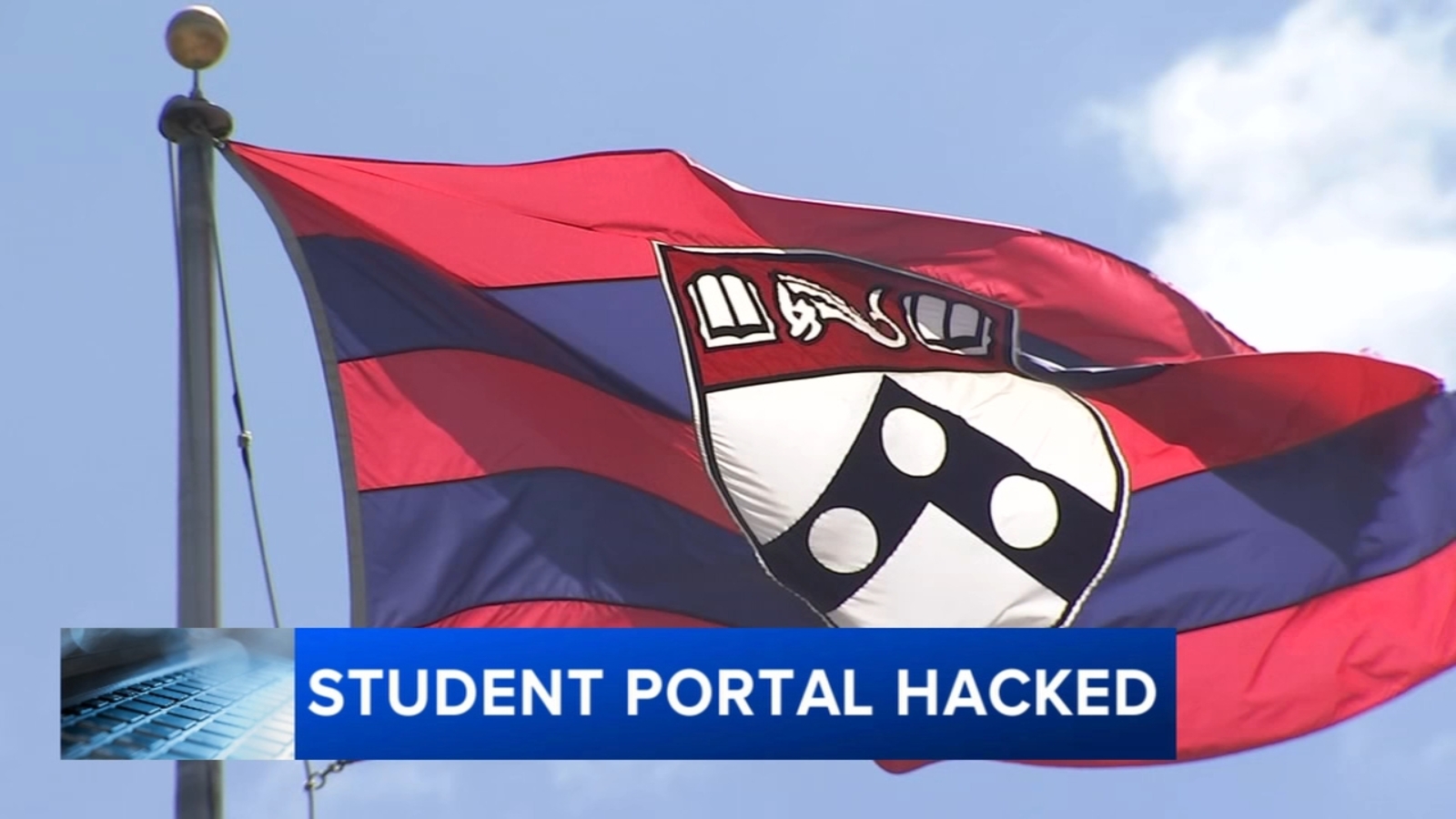
A massive canvas data breach has shaken the education sector, affecting thousands of K-12 schools and universities across the United States,including the prestigious University of Pennsylvania. The breach targeted Instructure, the parent company of Canvas, one of the most widely adopted learning management systems in the country. With millions of students and educators relying on Canvas daily for assignments, communication, and course management, the scope of this incident has raised serious concerns about the security of educational technology infrastructure and the vulnerability of student data on a national scale.
The canvas data breach represents one of the most widespread cybersecurity incidents to hit the education sector in recent memory, and the fallout is still unfolding as institutions scramble to assess the damage and notify their communities.
What Happened in the Canvas Data Breach
The canvas data breach was not a typical attack on a single institution’s servers. Instead, hackers compromised the infrastructure of Instructure itself, the Utah-based company that develops and maintains the Canvas learning platform. By breaching the vendor at the core of the system, attackers potentially gained access to data flowing through thousands of schools and universities simultaneously.
According to reports, the threat actors behind the canvas data breach made their presence known in a dramatic fashion. At the University of Pennsylvania, hackers reportedly posted messages directly on Canvas course pages, claiming that any institution wishing to prevent the public release of its data should make contact with the group before May 12. This brazen display underscored both the severity of the intrusion and the attackers’ confidence in their position.
The Scope of the Instructure Data Breach
The Instructure data breach is notable not just for its size but for its sweeping reach across the education ecosystem. Canvas is used by thousands of institutions ranging from small K-12 districts to major research universities, meaning the canvas data breach potentially affects millions of users nationwide.
Cybersecurity experts have pointed out that vendor-level attacks like this one are particularly dangerous because they exploit a single point of failure.
“The one thing that stands out with this attack is its sector-wide. We have a vendor that’s used by almost the majority of education institutions around the country,” explained Rob D’Ovidio, an associate professor in Drexel University’s Department of Criminology and Justice.
Universities in the Philadelphia region, including Rowan University and Rutgers University, have already begun notifying their student bodies about impacts from the canvas data breach. However, at the University of Pennsylvania, students reported that they had not yet received any official communication about the incident from university administrators,a gap that has fueled frustration and concern among the Penn community.
Why Vendor-Level Attacks Are So Dangerous
When a learning management system like Canvas suffers a breach, the consequences extend far beyond a single hacked account. Schools and universities have built their entire digital academic ecosystems around the platform. Course materials, syllabi, grades, discussion threads, and personal communications all live within Canvas, making the canvas data breach a treasure trove of information for cybercriminals.
Students interviewed about the canvas data breach expressed how integral the platform is to their daily academic routines.
“We use canvas for all our classes, usually professors put our assignments on there. Pretty big part of our day-to-day life,” said Charles Shen, a junior at Penn.
“I think everything these days is all on Canvas… even for my calendar,” added senior Eric Zuckerman.
What Information Was Exposed in the Canvas Data Breach
One of the most pressing questions following the canvas data breach is exactly what information was compromised. While early reports suggested that highly sensitive data,such as Social Security numbers, passwords, and usernames,was not accessed, the canvas data breach still exposed a significant amount of personal information.
The compromised data reportedly includes:
- Full names of students, faculty, and staff
- Email addresses associated with institutional accounts
- Student ID numbers
- Internal messages exchanged through the Canvas platform
Although this information may seem less alarming than leaked passwords or financial data, cybersecurity professionals warn that even these basic details can be weaponized in the hands of skilled attackers. The canvas data breach has effectively handed cybercriminals a verified roster of potential targets with associated contact information.
Why Students Are Prime Targets After the Canvas Data Breach
Following the canvas data breach, students have emerged as especially attractive targets for follow-on attacks. Young adults in college often have limited experience recognizing sophisticated phishing attempts, and they tend to maintain active email accounts, social media presence, and digital payment services,all of which can be exploited with the right information.
Experts believe the group behind the canvas data breach may not use the stolen data directly. Instead, they may sell or distribute the information to other criminal groups, amplifying the scope of potential harm and increasing the likelihood that affected individuals will face targeted scam attempts.
“Once they get this basic information, name, student ID, email, you become an increased risk you’ll be targeted,” D’Ovidio noted.
The Rising Threat of Phishing Attacks on Students
One of the most immediate dangers stemming from the canvas data breach is the heightened risk of phishing attacks targeting students. Armed with legitimate names, student IDs, and email addresses, attackers can craft highly convincing messages that appear to come from university administrators, financial aid offices, or even Canvas itself.
“If I was a Canvas user at an institution that was compromised, I’d be on the lookout for phishing attacks,” D’Ovidio advised.
These phishing campaigns could attempt to steal login credentials, redirect students to fraudulent payment portals, or trick them into downloading malware. Given that many students already feel overwhelmed by constant notifications and digital communications, the canvas data breach has made it even more critical for users to scrutinize every email they receive.
The Ransom Demand Behind the Canvas Data Breach
The threat actors behind the canvas data breach reportedly issued a ransom demand to affected institutions, threatening to publicly release the stolen data if their demands were not met. The group signaled a deadline of May 12 for institutions to make contact.
Cybersecurity experts strongly advise against paying ransom demands. Paying does not guarantee that the data will be deleted or that further attacks won’t occur. In many cases, criminal groups pocket the payment and proceed with their original plans to sell or publish the data regardless.
Institutions are instead being urged to focus on damage mitigation, transparent communication with their communities, and reinforcing cybersecurity defenses to prevent further exploitation of any leaked information.
How Students and Institutions Can Respond to the Canvas Data Breach
In the wake of the canvas data breach, both students and educational institutions need to take proactive steps to protect themselves and minimize potential harm.
Steps for Students
- Be skeptical of unsolicited emails: Treat any unexpected email requesting personal information, login credentials, or financial details with extreme caution.
- Enable multi-factor authentication: Wherever possible, add an extra layer of security to institutional and personal accounts.
- Monitor accounts regularly: Watch for unusual activity on email, banking, and academic accounts.
- Use unique passwords: Avoid reusing passwords across multiple platforms, especially after the canvas data breach.
- Report suspicious activity: Notify university IT departments and relevant authorities about any unusual communications.
Steps for Institutions
- Issue timely and transparent communications to students and faculty about the canvas data breach
- Conduct thorough security audits of all systems connected to or integrated with Canvas
- Provide resources and training on identifying phishing attempts
- Collaborate with cybersecurity firms and law enforcement to investigate the canvas data breach
- Review vendor security protocols to prevent future incidents
Broader Implications for Education Sector Cybersecurity
The canvas data breach has exposed significant vulnerabilities in how educational institutions approach cybersecurity. Many schools and universities operate with limited IT budgets and small security teams, making them soft targets for sophisticated criminal groups. The heavy reliance on a small number of learning management platforms means that a single successful breach can cascade across the entire sector.
This incident serves as a wake-up call for institutions to reevaluate their relationships with technology vendors, demand higher security standards, and invest in robust cybersecurity infrastructure. As one Penn student noted, cyber incidents have become so frequent that some feel a sense of desensitization.
“It’s almost like this desensitization,” said Sarah Parmet, a freshman at Penn.
However, complacency is not an option. The canvas data breach demonstrates that no institution, no matter how prestigious, is immune to cyberattacks.
Conclusion
The canvas data breach affecting schools nationwide,and Penn students in particular,represents a sobering reminder of the cybersecurity risks facing modern education. While the most sensitive personal information appears to have been spared, the exposure of names, emails, student IDs, and internal messages has created fertile ground for phishing attacks and identity-based scams. As institutions work to understand the full scope of the Instructure data breach and respond to ransom demands, students and staff must remain vigilant, skeptical of unsolicited communications, and proactive about securing their digital lives. The path forward requires a collective commitment from educational institutions, technology vendors, and users to prioritize cybersecurity in an increasingly connected academic world.