
The landscape of American democracy faces a troubling challenge as political violence threats continue to escalate across the nation. A recent arrest in Pennsylvania has thrust this alarming trend into the spotlight, raising urgent questions about safety, free speech, and the deteriorating tone of political discourse in the United States.
The Arrest: A Pennsylvania Man and His Alleged Hit List
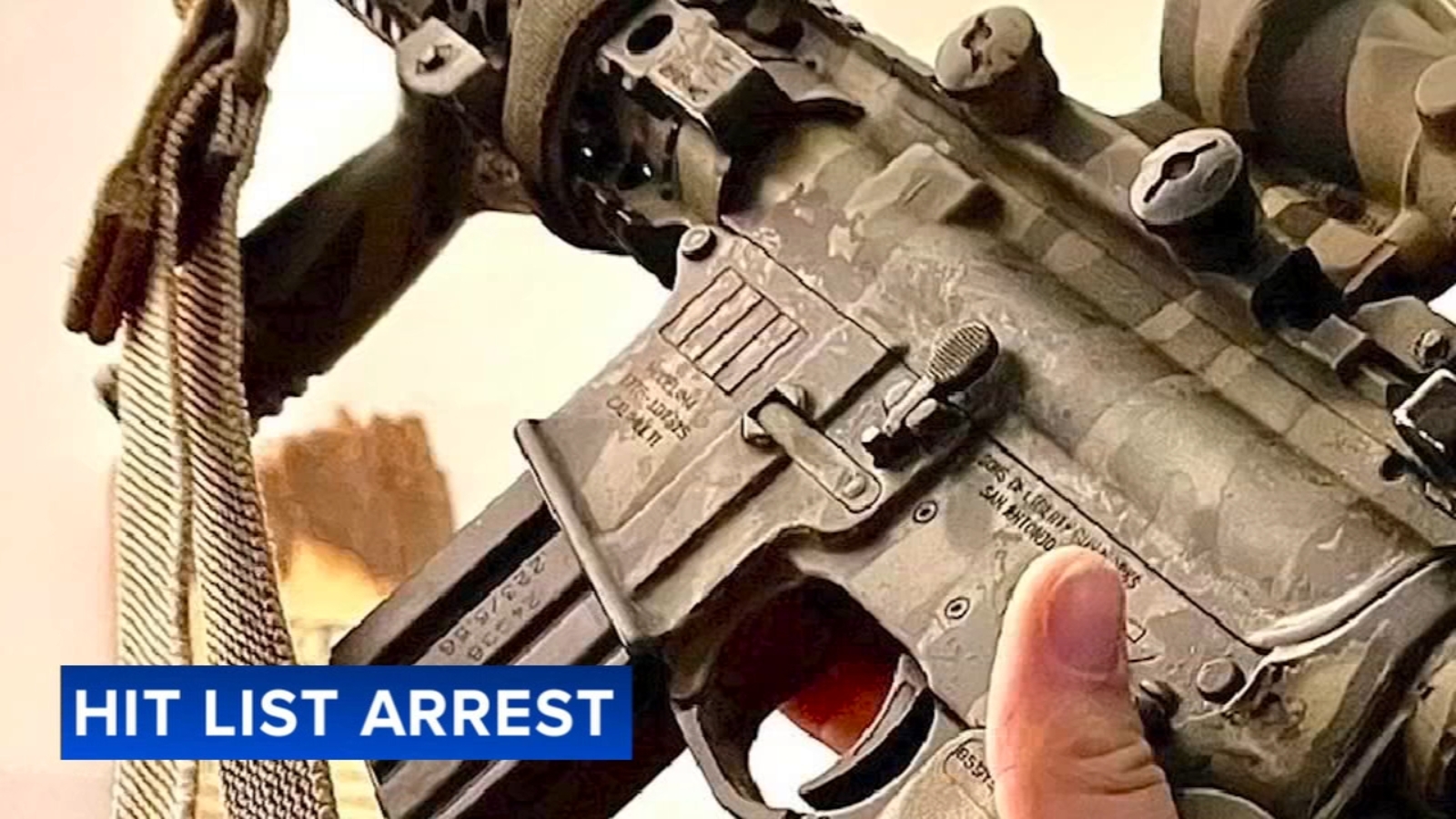
Adam Berryhill, a Lebanon County man, was taken into custody and charged with making terroristic threats after authorities say he created and posted a hit list targeting 20 Democratic lawmakers, many of them representing the Philadelphia region. Operating under the X handle “Pennsylvania Militia,” Berryhill allegedly posted threatening content that combined inflammatory rhetoric with imagery of firearms.
One particularly chilling post read, “I can’t wait for Memorial Day Operation,” according to state police investigators. The accompanying thread displayed images of guns and featured vitriolic language calling local politicians “gun-grabbing communists.” The alleged target list included State Representative Malcolm Kenyatta of North Philadelphia, congressional candidates Sharif Street and Chris Raab, and State Representative Morgan Cephas, among others.
How the Investigation Unfolded
The discovery of these alleged threats came through a routine investigation conducted by the state police detail assigned to State House Speaker Joanna McClinton. This detail’s vigilance led investigators to Berryhill’s social media activity, ultimately resulting in his arrest and the filing of terroristic threats charges against him last week. The case moved quickly through the legal system, with Berryhill ultimately waiving his preliminary hearing on a Thursday and being scheduled for arraignment the following month.
A Voice from the Crosshairs: Rep. Kenyatta Speaks Out
State Representative Malcolm Kenyatta, one of the named targets, responded to the situation with a mixture of resolve and resignation that speaks volumes about the current state of American politics. Speaking from his North Philadelphia district offices, Kenyatta acknowledged that being the target of threats is not a new experience for him.
“I’ll tell you to a certain degree, not that much shock. You know this is not the first time I’ve been the victim of threats,” Kenyatta told reporters.
What makes his response particularly striking is his insistence that these threats have no impact on his ability to govern. Kenyatta framed the issue not along partisan lines but as a fundamental American principle: the right to hold and express political beliefs without fear of violence.
“It’s not about being a Democrat or Republican or an independent, this is about American belief, that in America, Philadelphia, where it all started, that you get to say you believe without any threat of violence,” he explained.
Yet Kenyatta also acknowledged the deeply uncomfortable reality facing elected officials today, noting that public servants who simply want to serve their neighbors did not sign up to find themselves in the crosshairs of “someone who is unhinged and violent.” His words capture the surreal nature of contemporary political life, where the basic act of representing constituents has become a potentially dangerous undertaking.
Governor Shapiro’s Response and Calls for Unity
Pennsylvania Governor Josh Shapiro issued a comprehensive statement following the arrest, addressing both the immediate threat and the broader pattern of political violence threats emerging across the Commonwealth and the nation.
In his remarks, the governor spoke directly with Speaker McClinton and Leader Costa about the terroristic threats made against members of their caucuses. He emphasized that while these threats seek to intimidate and silence elected officials, his administration would continue taking every possible measure to ensure their safety and protect their ability to serve their constituents.
Governor Shapiro acknowledged what many Americans are increasingly recognizing: that political violence threats are on the rise, not just in Pennsylvania but across the country. He expressed gratitude for the swift action taken by the Pennsylvania State Police and the Lebanon County District Attorney in charging and arresting the alleged perpetrator.
A New Notification Process for Lawmakers
Perhaps most significantly, the governor announced a concrete policy change in response to the incident. He called for a better process to notify elected officials directly when threats are made against them. Lt. Colonel Bivens reportedly spoke extensively with House and Senate leadership about implementing these changes, and the Pennsylvania State Police have since instituted a new protocol to notify members of the General Assembly immediately and directly of any threats of violence made against them.
This procedural reform represents an important acknowledgment that the current systems for protecting elected officials may be inadequate for the current threat environment. When political violence threats can emerge from social media posts and reach this level of seriousness, rapid communication with potential targets becomes essential.
The Broader Context: Extremism and Mental Health Concerns
Court records revealed additional concerning details about Berryhill. According to charging documents, he had previously been involuntarily committed for mental health reasons and was legally prohibited from possessing firearms. This intersection of mental health challenges and access to weapons represents one of the most complex and troubling aspects of the broader conversation about political violence threats in America.
Berryhill’s social media activity extended beyond targeting Democrats. In other posts, he criticized Republicans as well, telling them to “stop whining” and claiming that “the only solution is war.” This bipartisan targeting suggests that the threats may stem more from personal instability and extremist ideology than from coherent political grievance, complicating any attempt to cast the incident as purely partisan in nature.
The Militia Movement and Online Radicalization
The X handle Berryhill used, “Pennsylvania Militia,” points to a broader network of self-styled militia groups operating across social media platforms. These groups have proliferated in recent years, often blending anti-government sentiment, conspiracy theories, and explicit calls for violence against political opponents. The accessibility of these platforms and the relative anonymity they provide have made them attractive venues for individuals seeking to express extremist views or coordinate harassment campaigns against public officials.
Online radicalization remains a significant challenge for law enforcement agencies trying to identify and prevent political violence threats before they materialize into actual harm. Social media companies, policymakers, and law enforcement continue to grapple with how to balance free speech protections with the need to prevent incitement and threats.
The National Landscape of Political Violence Threats
The Pennsylvania incident is not isolated. Across the United States, elected officials at all levels of government report receiving threats of violence with increasing frequency. From members of Congress to state legislators to local school board members, the targets of political intimidation campaigns span the entire spectrum of American civic life.
Several factors contribute to this troubling trend:
- Polarized political rhetoric that increasingly frames political opponents as existential threats
- Social media algorithms that can amplify extreme content and create echo chambers
- Erosion of trust in institutions and democratic processes
- Accessibility of weapons combined with mental health crises
- Organized extremist movements that use online platforms to recruit and radicalize
Governor Shapiro captured this reality in his call to action, stating, “It is on all of us to combat hate speech and political violence, and I call on all of my fellow Pennsylvanians and fellow leaders to stand up against this dangerous rising tide of violence we are seeing across our country.”
Moving Forward: Protecting Democracy in a Dangerous Era
The arrest of Adam Berryhill represents both a small victory in the ongoing fight against political violence threats and a stark reminder of how far the problem extends. The fact that routine police work uncovered this particular plot offers some reassurance that vigilance can prevent violence, but the incident also highlights the vulnerabilities in current systems designed to protect elected officials.
Combating the rise of political violence requires a multifaceted approach. Law enforcement agencies need resources and training to identify threats early. Social media platforms must grapple with content moderation challenges while respecting free speech. Mental health systems must be accessible to those in crisis before they become threats to others. And perhaps most importantly, political leaders and citizens alike must work to lower the temperature of political discourse and rebuild the shared commitment to resolving disagreements through democratic means rather than violence.
As Representative Kenyatta demonstrated through his measured response, elected officials have a choice about how to react to threats. Some may be intimidated into silence, but others will continue speaking and serving their constituents regardless of the danger. The strength of American democracy depends on whether the broader society can create conditions where serving in public office does not require accepting the constant risk of becoming a target for unhinged violence.
The Pennsylvania case will continue through the legal system in the coming months, but its implications extend far beyond the immediate parties involved. It stands as a warning, a call to action, and a test of whether democratic institutions can adapt quickly enough to address the evolving landscape of political violence threats facing the nation.