
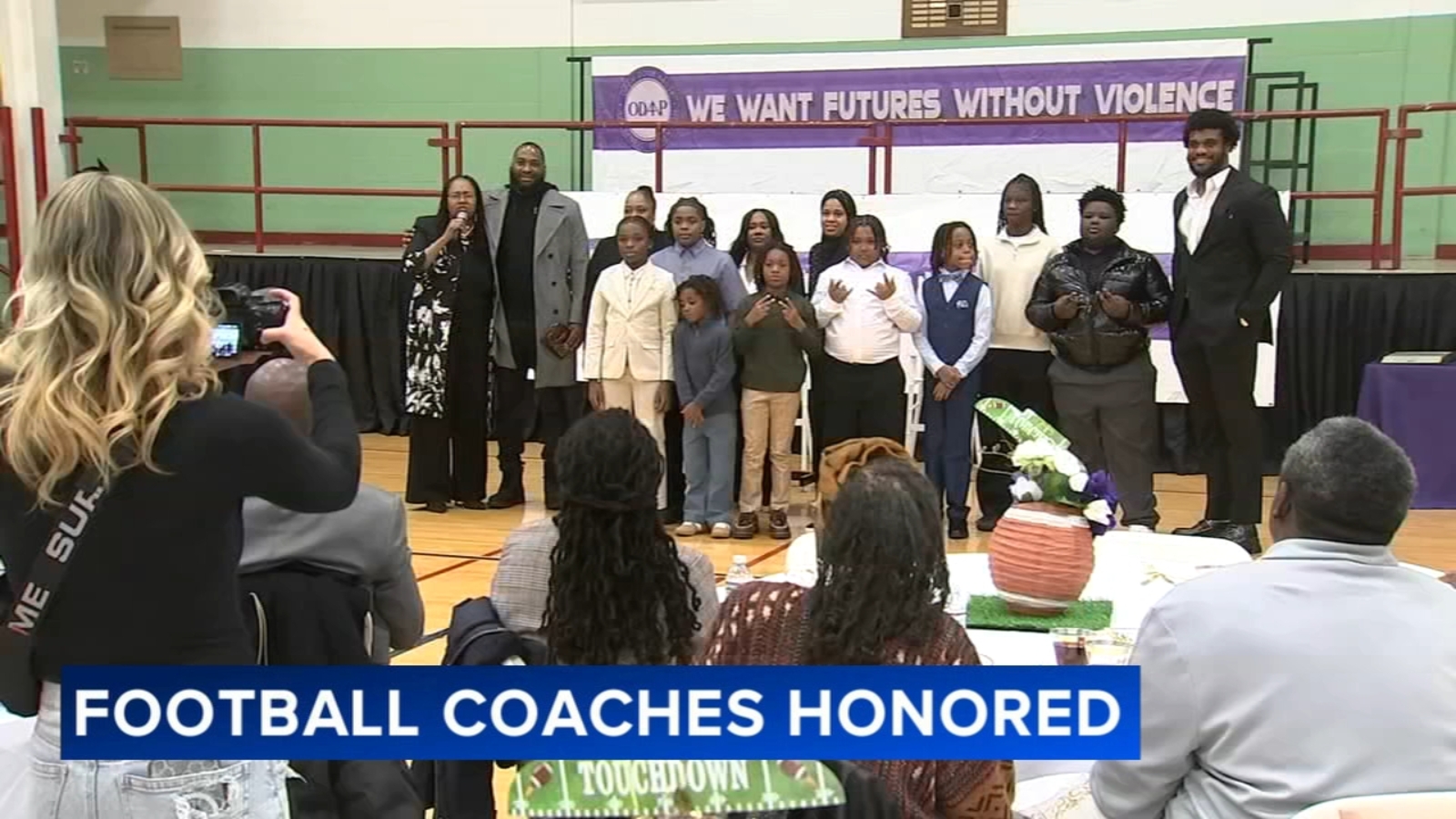
Football practice in Philadelphia looks a little different when coaches understand that the young men lining up at the line of scrimmage might be carrying invisible weight into every drill. That’s why a growing movement around trauma-informed coaching is gaining momentum, with fifteen Philadelphia football coaches recently recognized for completing a specialized training program designed to help them better support young athletes navigating academic struggles, community violence, and emotional challenges.
The initiative, the Open Door Abuse Awareness and Prevention program, represents a meaningful shift in how youth sports are coached at the grassroots level. Rather than focusing solely on athletic performance, trauma-informed coaching equips mentors with the tools to recognize signs of distress, regulate emotions alongside their players, and build relationships grounded in empathy and safety.
Why Philadelphia Coaches Are Leading the Conversation
Philadelphia is no stranger to the pressures its young residents face. Marcus Fulton, athletic director and football coach at Boys’ Latin of Philadelphia Charter School, knows this reality better than most. With 25 years of coaching experience in the city, Fulton has watched the landscape shift, and he has personally experienced the loss of players to violence.
“Football helped me chase the dream,” Fulton reflected at the recognition ceremony. For him, the sport was a lifeline, and he believes it can still serve that purpose for today’s youth, especially when coaches are trained to meet players where they are emotionally.
This perspective is exactly what makes trauma-informed coaching so vital. It acknowledges that a young athlete’s performance on the field is often inseparable from what they’re experiencing off the field. A missed assignment might be about more than a lack of focus. A sudden withdrawal from teammates could signal something deeper.
The Open Door Abuse Awareness and Prevention Program
Founded by Valencia Peterson, the Open Door Abuse Awareness and Prevention program was born from personal experience. Peterson created the initiative after losing her own mother to violence at a young age, transforming her grief into a mission to protect and uplift Philadelphia’s youth.
“We’re teaching coaches how to put on a lens for trauma in order to be able to help out kids a little deeper,” Peterson explained. The program focuses on three core pillars: mentorship, violence prevention, and creating emotionally safe spaces where young people can simply be themselves.
Peterson’s insights about the unique role of coaches resonate deeply with anyone who has spent time around youth sports. “The coach is usually a first line for kids, and it’s their only father figure, it’s their only stability,” she noted. “The only consistent thing they have is a team.” That kind of responsibility demands more than knowledge of X’s and O’s. It demands emotional intelligence, awareness, and a willingness to show up differently.
What Trauma-Informed Coaching Actually Looks Like
Trauma-informed coaching isn’t a buzzword or a one-time workshop. It’s a philosophy that reshapes how adults interact with young athletes. The Philadelphia training program focused on several practical skills:
- Leading with empathy rather than authority alone
- Helping players identify and manage emotions in real time
- Recognizing warning signs of mental health concerns and emotional distress
- Building predictable, safe environments where athletes feel seen and valued
- Understanding the impact of community violence on youth development
Adolph Sanna, a coach with the MidCity Tigers, captured the spirit of the training perfectly. He hopes the lessons will help young athletes understand “that they have an opportunity to see what another side of life is like where people are concerned about their fears, their doubts and the things that are going on with them.” That kind of statement reflects a profound shift from outcome-driven coaching to relationship-driven coaching.
The Hidden Weight Young Athletes Carry
Many people underestimate the emotional load carried by youth in urban communities. Academic pressure, exposure to violence, family instability, and the everyday stress of growing up in challenging environments all leave marks. For young athletes, those marks often show up at practice first.
A teenager who snaps at a teammate might be processing grief. A student-athlete who suddenly loses interest in a sport they once loved might be struggling with depression or anxiety. A player who can’t focus during film sessions might be dealing with housing instability or food insecurity at home.
This is why youth athlete mental health has become a central focus of progressive coaching programs. Coaches trained in trauma-informed approaches don’t jump to discipline or judgment. Instead, they pause, observe, and ask better questions. They understand that behavior is often communication.
Coaches as Mentors, Not Just Instructors
The traditional model of youth sports coaching emphasizes skill development, discipline, and competitive performance. The trauma-informed model adds another layer: mentorship that addresses the whole person.
Fulton spoke about this vision with clarity. He wants the young men he coaches to carry lessons beyond the football field, into adulthood, into fatherhood, and into their future careers. “To be successful. To be good husbands, good fathers, good mentors in the city of Philadelphia,” he said.
That aspiration speaks to a broader truth. Coaches who embrace trauma-informed coaching aren’t just producing better athletes. They’re helping shape better humans. They’re providing the kind of stable, consistent presence that many young people desperately need, especially when their home lives are filled with uncertainty.
Reaching Beyond the Locker Room
One particularly impressive aspect of the Open Door program is its reach. While the recent training focused on football coaches, the organization also provides mentorship to boys and girls who don’t participate in organized sports. This inclusive approach recognizes that not every young person in Philadelphia has access to athletic programs, but every young person deserves support.
The program’s broader mission is to help youth “become the best version of themselves,” regardless of whether they ever step onto a football field. This expansion into general youth development highlights an important reality: trauma-informed practices aren’t just for athletes. They’re for everyone.
Why This Matters for the Future of Youth Sports
The implications of programs like Open Door extend far beyond Philadelphia. Across the country, youth sports organizations are beginning to recognize that coaches need more than playbooks and whistles. They need training in emotional support for athletes, mental health awareness in sports, and violence prevention for youth.
The coaches who participated in the Philadelphia program are now part of a growing movement that is reshaping youth athletics from the inside out. They are equipped to:
- Recognize when a player is struggling beyond the game
- Respond with empathy rather than punishment
- Connect athletes with appropriate resources
- Create team cultures built on trust and safety
- Model healthy emotional regulation for young people
This shift benefits everyone involved. Players feel supported. Coaches experience deeper fulfillment in their roles. Communities see stronger, more resilient young people emerging from their sports programs.
Building a New Standard for Mentorship
The recognition ceremony in Philadelphia was more than a photo opportunity. It was a public acknowledgment that the adults who spend the most time with our youth deserve specialized training to handle that responsibility well. Coaches are often the first line of defense when a young person is in crisis, and they rarely receive the preparation needed for that role.
Programs like Open Door are changing that. By investing in coach training programs rooted in trauma awareness, communities can ensure that their young people are surrounded by adults who understand the connection between emotional well-being and every other aspect of life.
As Valencia Peterson put it, the goal is to give coaches “the tools they need to help regulate, to help see them for who they really are.” That kind of language reframes coaching entirely. It’s not about controlling outcomes. It’s about creating conditions where young people can thrive.
A Model Worth Replicating
The work happening in Philadelphia offers a blueprint for other cities, schools, and youth organizations. Trauma-informed coaching isn’t a luxury or an optional add-on. For many young athletes, it’s the difference between a mentor who sees them and a coach who simply runs drills.
Whether the focus is mentorship in sports, safe spaces for youth, or broader Philadelphia youth development initiatives, the message is the same: young people deserve adults who are prepared to meet them with compassion, awareness, and skill.
As more coaches complete programs like Open Door, the ripple effects will continue to spread. Players will carry those lessons into their relationships, their careers, and eventually, their own families. And somewhere along the way, the cycle of trauma might just begin to break, one team, one coach, and one young person at a time.