
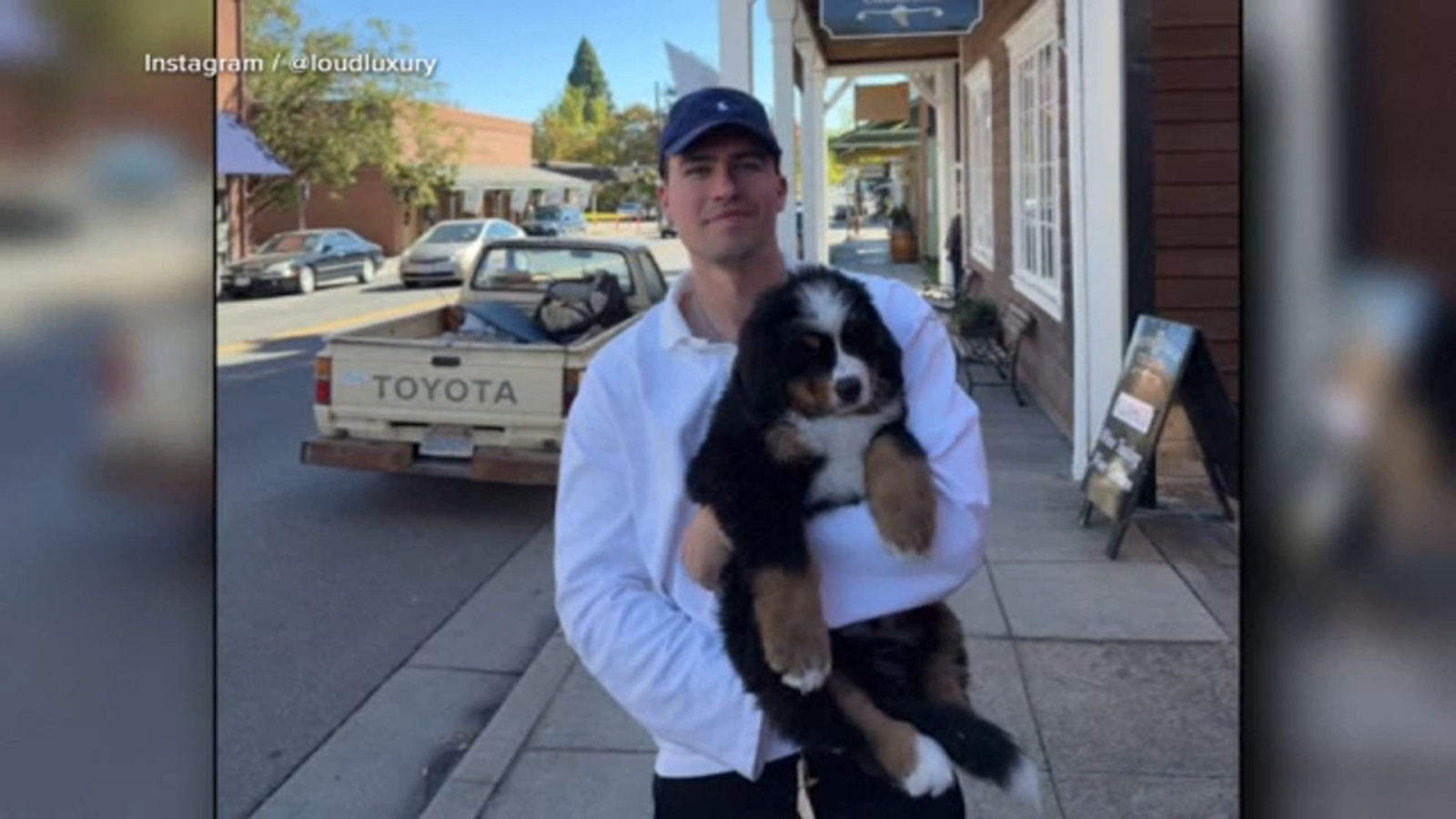
When a family leaves their beloved dog in the care of a professional trainer or boarding facility, they place immense trust in that provider. Unfortunately, the heartbreaking case of a celebrity couple’s dog dying under suspicious circumstances has brought the issue of dog trainer negligence into the spotlight, raising urgent questions about accountability in the pet care industry.
Madeleine Fedyk, a well-known social media influencer, and her husband Andrew Fedyk , one half of the electronic music duo Loud Luxury , recently shared a devastating story with ABC affiliate KABC about the loss of their 2-year-old Bernese Mountain Dog, “Dunkin.” The couple had entrusted their pets to a local dog trainer and boarding facility while traveling out of the country for three weeks. Within 48 hours of being placed in the trainer’s care, one of their dogs had died.
This tragedy is not an isolated incident. Reports indicate that other pet families have come forward with similar complaints about the same trainer, suggesting a troubling pattern that goes far beyond a single unfortunate accident. As awareness grows around cases like this, dog owners everywhere are being reminded of how important it is to understand the warning signs of negligence and know how to protect their pets.
The Fedyk Family’s Heartbreaking Ordeal
The Fedyk family is now seeking justice for Dunkin, who they describe as more than just a pet. “He was not just a dog, he was a member of our family,” Andrew Fedyk shared emotionally. “And we all miss him so deeply and we know nothing will replace him, but we promise we will do whatever we can to get justice for him.”
According to Madeleine Fedyk’s account, the trainer claimed that Dunkin had died due to heat exposure while training at a local park. However, several details surrounding the situation have raised serious red flags. Most alarmingly, the trainer never took the dog to a veterinarian for evaluation. Additionally, the couple was not contacted for several hours after the dog’s passing , a delay that prevented them from receiving timely information about their pet’s condition or being given the opportunity to authorize emergency care.
“The story didn’t really make much sense to us at the time, when he told us,” Fedyk explained. “But we now have a very different view of what has happened.” Since sharing their story publicly, Fedyk has received messages from other individuals who claim their dogs also died while under the same provider’s supervision, indicating that this could potentially represent a broader systemic issue rather than a single tragic accident.
Understanding Dog Trainer Negligence
Dog trainer negligence occurs when a professional entrusted with the care, training, or boarding of a dog fails to provide the standard of care that a reasonably competent professional would offer. This can manifest in many forms, ranging from outright abuse to more subtle failures in supervision, medical attention, environmental safety, and communication.
Common examples of negligence in the dog training and boarding industry include:
- Failure to provide adequate water, shade, or rest during physical activity, particularly in hot weather
- Lack of proper supervision leading to injuries, fights, or escape
- Delayed or denied veterinary care when a dog shows signs of illness or injury
- Inadequate facility safety, including unsafe enclosures, fencing, or play areas
- Poor communication with pet owners about incidents, health concerns, or behavioral issues
- Improper handling techniques that cause physical or emotional harm
- Failure to follow owner instructions regarding feeding, medication, or special needs
Warning Signs of a Problematic Trainer or Facility
Before entrusting your dog to any trainer or boarding facility, dog owners should be aware of the red flags that may indicate a higher risk of negligence. Watch for these warning signs during your initial visit and ongoing relationship with any pet care provider.
Lack of Transparency
A reputable trainer should welcome questions about their methods, experience, and facility conditions. If a trainer is evasive about how dogs are supervised, what protocols exist for emergencies, or whether they carry liability insurance, consider it a red flag. Transparency is a hallmark of professional pet care providers.
No Established Veterinary Protocol
Ask every potential trainer or boarding facility what their procedure is if a dog becomes sick or injured. They should have an established relationship with a local veterinarian and be willing to seek medical attention promptly. Any hesitation or vague answer to this question should raise immediate concerns.
Poor Communication Practices
Professional trainers should provide regular updates on your dog’s progress, behavior, and wellbeing. If a trainer is difficult to reach, fails to return calls promptly, or is reluctant to communicate about your pet’s daily activities, this could be a sign of deeper problems.
Negative or Inconsistent Reviews
Always research a trainer’s reputation thoroughly. Check multiple platforms such as Google, social media, and specialized pet care directories. Patterns of negative reviews , particularly those mentioning injuries, deaths, or unexplained incidents , should never be ignored.
What to Do If You Suspect Negligence
If you believe your dog has been harmed due to trainer negligence, taking swift action can help protect your pet and potentially prevent similar incidents from happening to other animals. Here are the essential steps to follow:
- Seek immediate veterinary care for your dog, even if the issue seems minor. Document everything the veterinarian finds.
- Request detailed records from the trainer or facility, including any incident reports, photos, or notes taken while your dog was in their care.
- Document all communications , save emails, text messages, voicemails, and notes from phone calls.
- Report the situation to local animal control authorities and, where applicable, state veterinary medical boards.
- Consider consulting an attorney who specializes in animal law or pet negligence cases to understand your legal options.
- Share your story on reputable review sites and consumer protection platforms to warn other pet owners.
Legal Recourse for Affected Pet Owners
The legal landscape surrounding pet negligence has evolved significantly in recent years. While pets were historically considered property in many jurisdictions, courts are increasingly recognizing the emotional bonds between humans and their animals, sometimes awarding damages for emotional distress, loss of companionship, and veterinary expenses.
In some states, new laws specifically address cases of animal neglect, abuse, or death due to caregiver negligence. Civil lawsuits can be filed against trainers and facilities for damages, and in cases involving intentional harm or repeated patterns of mistreatment, criminal charges may also apply.
The Fedyk family has indicated they intend to pursue justice for Dunkin, and their high-profile case may help set important precedents and raise awareness about the need for stronger industry regulations and oversight.
How to Choose a Reputable Dog Trainer
Prevention is always the best approach when it comes to protecting your dog from negligence. Taking time to thoroughly vet any potential trainer or boarding facility can save both heartache and money in the long run.
- Verify credentials from recognized organizations such as the Certification Council for Professional Dog Trainers (CCPDT) or the International Association of Animal Behavior Consultants.
- Visit the facility in person before committing. Observe cleanliness, safety measures, and how staff treat the animals in their care.
- Ask for references from current and former clients, and actually contact them.
- Confirm liability insurance coverage, which protects both you and the trainer in case of incidents.
- Request a trial stay of a day or overnight before committing to longer boarding arrangements.
- Trust your instincts , if something feels off about the facility or the trainer’s approach, keep searching.
A Call for Industry Accountability
The devastating loss of Dunkin and potentially other dogs in similar circumstances highlights the urgent need for greater accountability within the dog training and boarding industry. While the majority of pet care professionals are dedicated, skilled, and compassionate, stories like the Fedyks’ underscore how vulnerable our pets can be when placed in the wrong hands.
As consumers, dog owners have the power to demand higher standards by choosing certified, transparent, and communicative professionals. As a community, we can advocate for stronger regulations, mandatory reporting requirements, and harsher penalties for those whose negligence results in the death or harm of a beloved animal. Most importantly, every dog deserves to be treated with the love, respect, and care that they bring into our lives every single day , and it’s our collective responsibility to make sure that standard is never compromised.