
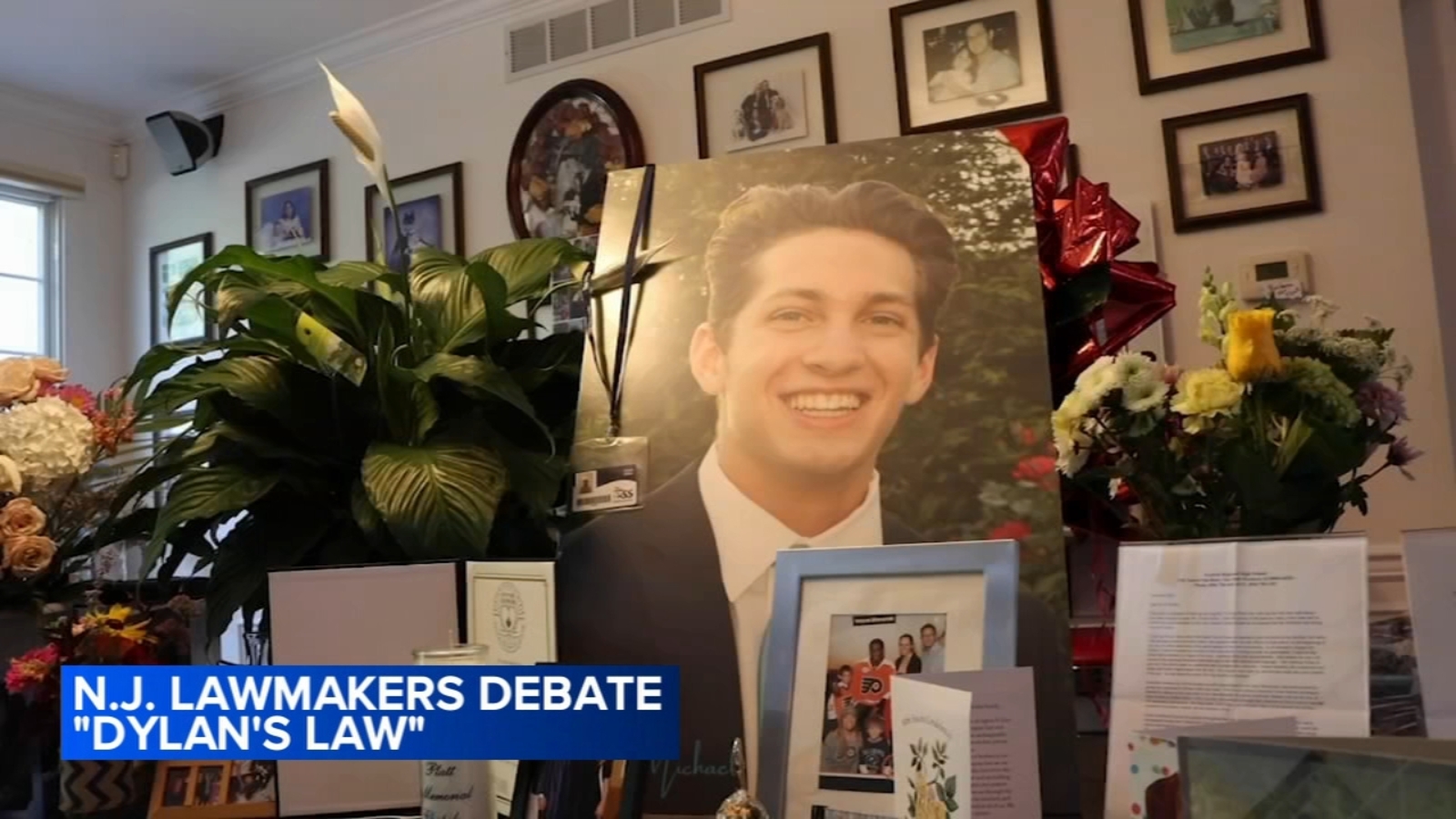
A South Jersey family is turning unimaginable heartbreak into hope for safer waterways. In a powerful move that has captured statewide attention, advocates are championing Dylan’s Law,a piece of legislation designed to prevent future tragedies on New Jersey’s lakes, rivers, and coastal waters. Named in memory of a young man whose life was cut short during a recreational outing, the bill represents a growing push for stricter boater safety standards across the Garden State.
The proposed legislation has already garnered unanimous approval in committee, signaling strong bipartisan support for measures that could reshape boater safety legislation in New Jersey for years to come. As lawmakers, families, and water safety advocates rally behind this cause, Dylan’s Law is emerging as a potential model for watercraft safety reform nationwide.
The Story Behind Dylan’s Law
Every meaningful piece of legislation carries with it a human story, and Dylan’s Law is no exception. The bill takes its emotional weight from the Geller family of South Jersey, who lost their son Dylan in a devastating water skiing accident. Dylan suffered a seizure while out on the water with his brother, an event that no amount of preparation could have anticipated. Despite being surrounded by family during what was meant to be a joyful day of recreation, the sudden medical emergency proved fatal.
Dylan’s mother, Dawn Geller, spoke with raw emotion when addressing lawmakers in Trenton. “We’re devastated. It’s been 207 days since we said goodbye to our son,” she shared during her testimony. “If this can save one family from going through this tragedy, Dylan’s legacy will live on.”
This testimony marked a pivotal moment in the journey of Dylan’s Law, transforming a private family tragedy into a public call for change. The Gellers have channeled their grief into advocacy, recognizing that one life lost is one too many when preventable measures could have made a difference.
What the Bill Proposes
At its core, Dylan’s Law focuses on a simple yet critical requirement: businesses that rent or sell watercraft in New Jersey would be obligated to offer customers what is known as a “Level One” flotation device. These aren’t ordinary life jackets. They are specifically engineered to turn an unconscious wearer face-up in the water, ensuring that their airway remains above the surface even if they lose consciousness.
This distinction is crucial. Standard life jackets may keep a person afloat, but they do not necessarily prevent face submersion in someone who has lost consciousness. For individuals who experience sudden medical events,such as seizures, cardiac episodes, or other emergencies,while on the water, a Level One flotation device could mean the difference between life and death.
Understanding Level One Flotation Devices
Level One personal flotation devices (PFDs) are classified based on their performance characteristics. Unlike basic life vests designed to provide buoyancy for conscious wearers, Level One flotation devices incorporate design elements that actively rotate the body. This feature is particularly valuable for:
- Individuals prone to sudden medical emergencies
- Children and inexperienced swimmers
- Anyone operating or riding on watercraft for prolonged periods
- Vulnerable populations who may not be able to self-rescue
The inclusion of these devices as standard offerings at boat rental safety operations represents a significant shift in how New Jersey approaches recreational water activities.
The Legislative Journey in New Jersey
The path of Dylan’s Law through the New Jersey legislature has been marked by both emotional testimony and decisive action. When Dawn Geller and her family presented their story to lawmakers in Trenton, they weren’t simply asking for sympathy,they were demanding change backed by clear public safety rationale.
The bill’s unanimous passage out of committee demonstrates a rare moment of legislative unity, with members from both sides of the aisle recognizing the universal importance of drowning prevention and watercraft safety. This kind of bipartisan support often signals a bill’s strong likelihood of advancing through further legislative hurdles.
For residents and visitors who enjoy New Jersey’s abundant water resources, the implications of this legislation are far-reaching. From the Jersey Shore to the Delaware River, from Lake Hopatcong to the countless smaller lakes and ponds throughout the region, water-based recreation is woven into the cultural fabric of the state.
Why Boater Safety Legislation Matters
Boating accidents claim hundreds of lives each year across the United States, with many of these fatalities resulting from preventable circumstances. According to national safety data, drowning remains one of the leading causes of unintentional injury-related deaths, and a significant percentage of these incidents occur in situations where proper flotation equipment could have altered the outcome.
The tragedy that inspired Dylan’s Law highlights a particularly vulnerable population: individuals who suffer unexpected medical events while on the water. While no safety measure can eliminate all risks, providing access to flotation equipment designed for unconscious wearers adds a critical layer of protection that traditional life jackets cannot match.
This approach to watercraft safety legislation reflects a broader trend toward evidence-based policy making. By targeting a specific safety gap,the availability of advanced flotation devices at rental operations,lawmakers can address a tangible risk factor without imposing burdensome regulations on the boating community at large.
The Impact on Boat Rental and Sales Operations
Should Dylan’s Law become law, businesses throughout New Jersey would need to adapt their practices. Watercraft rental companies, marinas, and sales operations would all fall under the proposed requirements. This means:
- Stocking an adequate supply of Level One flotation devices
- Training staff to explain the benefits and proper use of these devices
- Making the equipment readily available to customers
- Potentially adjusting pricing structures to account for the additional safety equipment
For the boating industry, these changes represent both a challenge and an opportunity. While there will be initial costs associated with upgrading equipment offerings, the long-term benefits include reduced liability, enhanced customer confidence, and the knowledge that rental businesses are contributing to a safer recreational ecosystem.
A Community Responds to Loss
The advocacy efforts surrounding Dylan’s Law have demonstrated how communities can mobilize in response to tragedy. The Geller family’s willingness to share their story publicly, despite the pain it causes, has created a powerful narrative that resonates with anyone who has experienced sudden loss. Their testimony serves as a reminder that behind every legislative initiative are real people whose lives have been forever changed.
Supporters of the bill have emphasized that this legislation isn’t about placing blame on watercraft operators or restricting recreational activities. Rather, it’s about ensuring that everyone who chooses to enjoy New Jersey’s beautiful waterways has access to the safest possible equipment. The life jacket requirements embedded in Dylan’s Law represent a proactive approach to safety that honors Dylan’s memory while protecting future generations of boaters, water skiers, and water sports enthusiasts.
Looking Ahead: The Future of Water Safety in New Jersey
As Dylan’s Law moves through the New Jersey legislature, it carries with it the potential to influence water safety policies beyond state borders. Other states grappling with similar tragedies may look to New Jersey’s approach as a template for their own legislation. The bill’s focus on accessible safety equipment rather than restrictive access to water-based recreation strikes a balance that advocates hope will appeal to lawmakers across the political spectrum.
For families planning summer outings on New Jersey waterways, the passage of this legislation could provide peace of mind that didn’t previously exist. Parents watching their children learn to water ski, friends gathering for a day of recreational boating, and individuals managing medical conditions that might complicate water activities can all benefit from the enhanced protection that Dylan’s Law would provide.
Conclusion
The journey of Dylan’s Law from a South Jersey family’s grief to unanimous committee approval represents the very best of what democratic advocacy can achieve. By transforming personal tragedy into public policy, the Geller family has ensured that Dylan’s memory will be associated with saving lives for generations of boaters and water sports enthusiasts across New Jersey.
As the bill continues its path through the legislature, it stands as a testament to the power of family advocacy, the importance of evidence-based safety legislation, and the enduring human capacity to find meaning in loss. Whether or not they ever realize it, countless families will benefit from the courage of one South Jersey family who refused to let their son’s death be in vain. Dylan’s Law is more than legislation,it’s a legacy of love, hope, and the unwavering belief that safer waters can emerge from the deepest sorrow.