
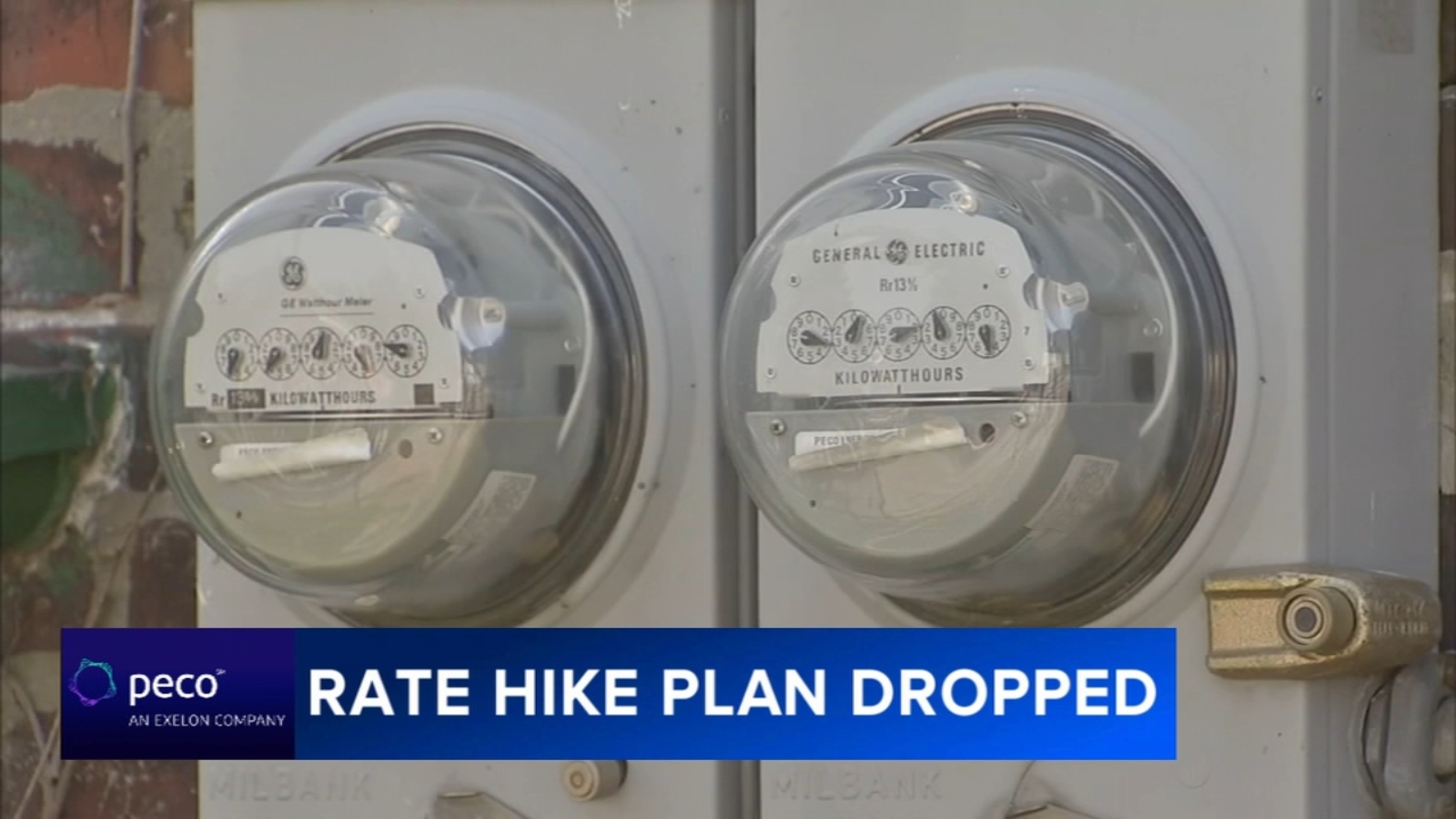
In a notable turn of events for southeastern Pennsylvania residents and business owners, PECO has officially withdrawn its proposed rate increase that would have impacted electric and natural gas customers starting in 2027. The announcement, made on a Thursday, marks a significant reversal from the utility company’s earlier position and offers temporary relief to households already stretched thin by everyday expenses. This development in the ongoing conversation around the PECO rate increase saga has implications for customers, regulators, and the broader utility landscape across the region.
What PECO Originally Proposed
Back in late March, PECO filed requests with the Pennsylvania Public Utility Commission (PUC) seeking approval for substantial increases to both electric and natural gas rates. The proposed hikes were substantial , a 12.5% increase for electric service and an 11.4% increase for natural gas distribution. For the average residential customer, those numbers translated to roughly $20 more per month on electric bills and an additional $14.50 per month for natural gas.
When you add it all up, PECO customers were potentially looking at nearly $35 more on their monthly utility bills once both increases took effect. For families managing tight budgets, small business owners watching every expense, and seniors living on fixed incomes, the proposed PECO rate increase represented a serious financial burden.
The company initially defended the rate hike as necessary to fund critical infrastructure improvements. PECO’s filings were framed around supporting near-term and long-term electric and natural gas modernization projects , the kind of grid upgrades, pipeline replacements, and system enhancements that utilities routinely argue are essential for safety and reliability.
Why PECO Pulled Back
In its official statement announcing the withdrawal, PECO struck a notably empathetic tone. The utility company acknowledged that customers across southeastern Pennsylvania are facing genuine financial pressure from rising costs on everything from groceries to housing. “We recognize that families and businesses across southeastern Pennsylvania are under real financial strain from rising everyday costs, and keeping bills as low as possible must be the priority right now,” PECO stated.
Beyond simply citing economic hardship, PECO pointed to a broader stakeholder engagement process as part of its reasoning. The company noted that “after listening closely to customers, community partners, and leaders from across the region,” it determined that the timing wasn’t right to push the proposed increases through the regulatory approval process.
This is an important distinction. PECO didn’t necessarily abandon its belief that rate increases might eventually be warranted. Instead, the company characterized its decision as “timing-based,” suggesting that the need for revenue to fund modernization hasn’t disappeared , just the political and economic moment to pursue it.
The Role of Public Pressure and Political Opposition
The withdrawal didn’t happen in a vacuum. Opposition to the proposed PECO rate increase had been building for weeks, with critics ranging from elected officials to organized labor and consumer advocacy groups.
Pennsylvania Governor Josh Shapiro was among the most vocal opponents. In direct conversations with PECO leadership, the governor made clear that any rate hike during the current economic climate was unacceptable. Following the withdrawal, Shapiro issued a pointed warning that extended well beyond PECO itself.
“Every utility should be on notice this is not a time to be raising rates on customers in Pennsylvania,” the governor declared. He also praised PECO’s decision, noting that he “appreciated that they heard us on that and withdrew their case today and didn’t raise rates on consumers.”
This political pressure played a significant role in shaping the outcome. When a sitting governor publicly opposes a utility rate filing, it sends a powerful signal to both the company and the PUC reviewing the case.
Labor Union Concerns About PECO’s Spending
One of the more interesting angles in this story comes from inside PECO itself. Larry Anastasi, president and business manager of IBEW Local 614, which represents approximately 1,500 PECO employees, voiced sharp criticism of the company’s original proposal. His union had filed opposition to PECO’s 2025 rate increase and was preparing to challenge the proposed 2027 increase as well.
Anastasi’s frustration went beyond the rate hike itself. He questioned the fundamental logic of filing for increases at all during a period of widespread economic hardship. “How is it that they even could have considered filing for a rate increase?” he asked pointedly.
More broadly, Anastasi called for greater regulatory oversight in Harrisburg. He argued that the Pennsylvania state government needs to examine PECO’s spending practices more carefully, suggesting that the company’s financial decisions deserve closer scrutiny than they’ve received. “There needs to be way more looking into the spending that they are doing right now,” Anastasi emphasized.
That an internal union representing PECO workers was preparing to fight the company’s own rate proposal speaks volumes about how contentious these filings had become.
What This Means for PECO Customers
The immediate practical impact of this withdrawal is straightforward: PECO electric and natural gas customers will not see the proposed increases in 2027. Monthly bills will remain at their current rates for at least the near term, providing meaningful financial relief to households across the region.
For customers who had been bracing for higher utility costs, budgeting around anticipated increases, or even exploring energy efficiency upgrades as a defensive measure, this announcement removes a significant source of uncertainty.
However, it’s important to understand what this withdrawal does and doesn’t mean:
- It doesn’t permanently cap rates. PECO retains the option to file a new rate case in the future, potentially with adjusted numbers or a different timeline.
- It doesn’t address the underlying infrastructure needs. The modernization projects PECO cited as justification for the increase haven’t gone away. Those costs may surface again in future filings.
- It doesn’t resolve broader questions about utility spending. The calls from labor leaders and consumer advocates for greater transparency and regulatory scrutiny remain active issues.
The Broader Utility Rate Landscape in Pennsylvania
PECO’s withdrawal comes at a time when utility rates across the country have been climbing steadily. Inflation, increased energy demand from data centers and electrification efforts, extreme weather events, and the cost of transitioning to cleaner energy sources have all contributed to upward pressure on bills nationwide.
Pennsylvania in particular has seen heightened attention on utility affordability. Governor Shapiro’s warning that “every utility should be on notice” signals an administration willing to take a more aggressive stance on rate hike requests during periods of economic stress. This could influence how other Pennsylvania utilities approach their own future rate filings.
For consumers, the takeaway is that organized opposition , combining grassroots customer concerns, labor pushback, and political pressure , can still influence major utility decisions. The PECO case demonstrates that rate cases aren’t rubber-stamp affairs; they’re contested proceedings where stakeholders can make their voices heard.
Looking Ahead: What PECO Customers Should Watch
Even with the 2027 rate increase off the table, PECO customers should stay informed about several ongoing issues:
Future Rate Filings
PECO could refile a rate case with different terms or a later effective date. Monitoring PUC dockets and PECO’s public communications will be essential for anyone who wants to stay ahead of potential future increases.
Infrastructure Project Updates
The modernization work PECO wanted to fund through the rate increase may continue through other financial mechanisms, or it may be deferred. Either outcome has implications for service reliability and long-term system performance.
Regulatory Reform Discussions
The calls from labor leaders for more oversight in Harrisburg could translate into legislative proposals or regulatory changes in upcoming sessions. How Pennsylvania chooses to balance utility profits, infrastructure investment, and customer affordability will shape the energy landscape for years to come.
Conclusion
PECO’s decision to withdraw its proposed 2027 rate increase represents a meaningful win for customers across southeastern Pennsylvania. The reversal , driven by a combination of customer feedback, labor opposition, and direct political pressure from the governor’s office , shows that utility companies do respond when stakeholders make their concerns loud and clear.
For now, PECO customers can breathe a sigh of relief knowing that their monthly bills won’t be rising by the amounts the company originally proposed. But the underlying tensions that produced this rate fight , infrastructure costs, corporate spending decisions, regulatory oversight, and customer affordability , haven’t disappeared. They’ll almost certainly resurface in future discussions about Pennsylvania’s energy future.
Staying engaged, attending public hearings, and holding both utilities and elected officials accountable will remain the most effective tools for consumers who want to ensure that the lights stay on and the bills stay manageable.