
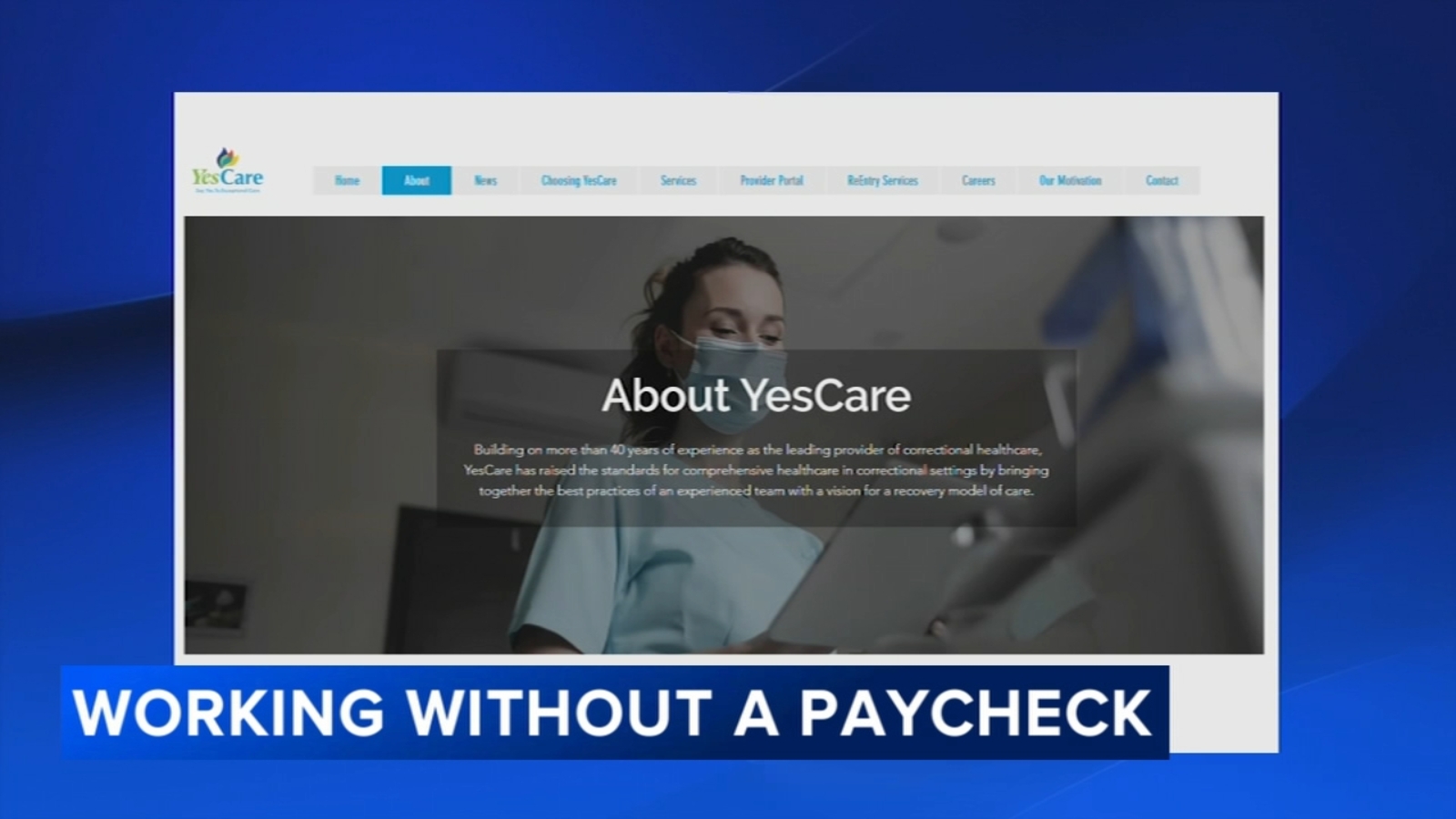
The YesCare bankruptcy has sent shockwaves through Philadelphia’s correctional system, leaving nearly 375 medical professionals at six city facilities without paychecks for weeks. As one of the largest private healthcare providers to incarcerated populations across the United States, YesCare’s financial collapse has exposed the vulnerability of thousands of workers who dedicate themselves to providing critical medical, dental, and behavioral health services behind bars. The situation in Philadelphia mirrors disruptions playing out at correctional facilities nationwide, raising urgent questions about corporate accountability, worker protections, and the future of prison medical services.
The YesCare Bankruptcy: A National Crisis Hits Philadelphia
On May 8, YesCare filed for Chapter 11 bankruptcy, triggering immediate and devastating consequences for its workforce. The company operates in more than 475 correctional facilities across the country, providing essential medical care to incarcerated individuals. In Philadelphia alone, YesCare employs healthcare staff at all four State Road prisons, the city’s juvenile justice center, and the Philadelphia Police Department’s detention unit.
For the dedicated nurses, dentists, behavioral health specialists, and support staff working in these facilities, the bankruptcy filing meant something deeply personal: missing paychecks. Philadelphia correctional health workers reported going nearly a month without compensation, missing at least two consecutive pay periods while continuing to report for duty.
The Human Toll on the Ground
The emotional and financial pressure on these workers has been immense. Nurse Rashidah Byrd captured the desperation felt by her coworkers when she spoke candidly about the situation: “We’re really trying to hold on. But it’s rough.”
Another employee, who asked to remain largely anonymous, simply described the experience as “stressful”“,one word that nonetheless carries the weight of unpaid bills, mounting financial obligations, and the impossible choice between walking away from patients and continuing to work without income.
Philadelphia Department of Prisons Commissioner Michael R. Resnick praised the workforce for remaining committed despite the circumstances. “They are tremendously dedicated to their jobs, their profession, and the people here they take care of,” he said. He also clarified an important distinction: these employees work for YesCare, not the city itself.
Philadelphia’s Emergency Response
Mayor Cherelle Parker’s administration moved quickly to address the humanitarian crisis unfolding among YesCare’s unpaid workforce. The city organized an emergency food drive, distributing groceries and gift cards to affected workers at Riverside Correctional Facility and other impacted locations.
Mayor Parker expressed her frustration forcefully at the situation: “You don’t mess with people’s paychecks when we’re dealing with an affordability crisis in every way imaginable!” Her statement reflected broader economic anxieties facing working families throughout the region.
Community Partners Step Up
The food distribution effort at Riverside’s gymnasium brought together a coalition of nonprofit organizations and private businesses. Contributing organizations included:
- Philabundance“,a regional food relief organization
- Share Food“,focused on addressing food insecurity
- Sharing Excess“,a nonprofit redistributing surplus meals
- Caring for Friends“,serving isolated individuals through meals
Private sector donors also answered the call. Technology company Cisco, food service giant Aramark, and grocery entrepreneur Pat Burns contributed funds and resources to support the workers. Commissioner Resnick credited the administration for facilitating these partnerships: “We reached out to the administration, and they made all of this happen.”
Bankruptcy Court Intervention Brings Hope
On Thursday, following the bankruptcy filing, a bankruptcy court judge approved the city’s emergency request to provide funds directly to YesCare specifically to cover the back pay owed to the 375 affected Philadelphia workers. Mayor Parker announced the action with urgency: “The city of Philadelphia is wiring money to YesCare today so that the workers can be paid immediately. Immediately!”
This judicial approval represented a critical turning point for workers like Names who had waited anxiously for any sign that their wages would arrive. The intervention ensured that correctional healthcare professionals would finally receive the compensation they had earned for weeks of continued service.
Why This Bankruptcy Matters Beyond Philadelphia
The YesCare bankruptcy affects correctional facilities across the country, not just in Philadelphia. With operations spanning more than 475 facilities, the company’s financial troubles create ripple effects that touch thousands of healthcare workers and the incarcerated populations they serve. The Philadelphia case may serve as a template,or how cities respond when private contractors fail their workforce.
Food distributions are also taking place at other correctional facilities impacted by the bankruptcy, suggesting that similar crises are unfolding in jurisdictions beyond Philadelphia. The pattern raises significant concerns about the broader private healthcare contracting model in correctional settings.
The Broader Implications for Correctional Healthcare
The YesCare bankruptcy exposes structural vulnerabilities in how correctional healthcare is funded and delivered across the United States. Private contractors like YesCare serve as intermediaries, collecting payments from government entities while employing the workers who provide essential services. When these companies face financial distress, it is frontline workers and incarcerated patients who absorb the consequences.
Worker Protections and Legal Recourse
Workers who continue showing up despite missing paychecks occupy a difficult legal position. While federal and state wage laws require employers to pay workers for hours worked, bankruptcy proceedings complicate immediate remedies. The bankruptcy court’s approval of emergency funding in Philadelphia demonstrates one path forward, but the broader question of how to protect workers when private contractors fail remains unresolved.
Union representation, contract provisions, and government oversight all play roles in safeguarding worker compensation. The YesCare situation may prompt renewed attention to these protections in correctional healthcare agreements nationwide.
Continuity of Care for Incarcerated Populations
Beyond the worker crisis, the bankruptcy raises serious questions about continuity of medical care for incarcerated individuals. Philadelphia officials noted that maintaining uninterrupted medical services for people in custody remained a priority during the disruption. The company provides medical, dental, and behavioral health services,care that cannot simply pause while corporate finances are sorted out.
For incarcerated individuals with chronic conditions, mental health needs, or acute medical issues, the stability of their healthcare providers matters enormously. The bankruptcy threatens to disrupt treatment regimens, prescription access, and ongoing therapeutic relationships.
What Comes Next for YesCare and Its Workforce
As Chapter 11 proceedings advance, multiple stakeholders will be watching closely. YesCare and its legal representatives did not respond to requests for comment from media outlets covering the story, leaving many questions unanswered. Workers, city officials, and incarcerated patients alike are awaiting clarity on:
- How quickly outstanding wages will be distributed now that court approval has been granted
- Whether YesCare will successfully restructure or be acquired
- How future contracts will be structured to prevent similar disruptions
- What long-term impacts will emerge for correctional healthcare delivery
The Philadelphia intervention provides immediate relief, but the underlying issues require sustained attention. Other cities and states contracting with YesCare will likely study Philadelphia’s response as they navigate their own responses to the bankruptcy.
Conclusion: A Wake-Up Call for Correctional Healthcare Contracting
The YesCare bankruptcy represents more than a single company’s financial troubles,it signals systemic vulnerabilities in how correctional healthcare is structured and funded. Philadelphia’s 375 affected workers, who continued showing up to care for incarcerated populations without compensation, embody both the dedication of healthcare professionals and the failures of a system that allowed their employer to withhold earned wages.
The rapid response from Mayor Parker’s office, the bankruptcy court’s approval of emergency funding, and the outpouring of community support through organizations like Philabundance and Sharing Excess demonstrate what is possible when public and private sectors coordinate. Yet these emergency measures should not obscure the need for structural reform. Correctional healthcare workers deserve reliable paychecks, and incarcerated individuals deserve uninterrupted care. As the YesCare bankruptcy continues to unfold, stakeholders across the country have an opportunity to reimagine how correctional medical services are contracted, funded, and protected against corporate instability. The workers at the center of this crisis deserve nothing less than a system that values their labor and safeguards their livelihoods.