
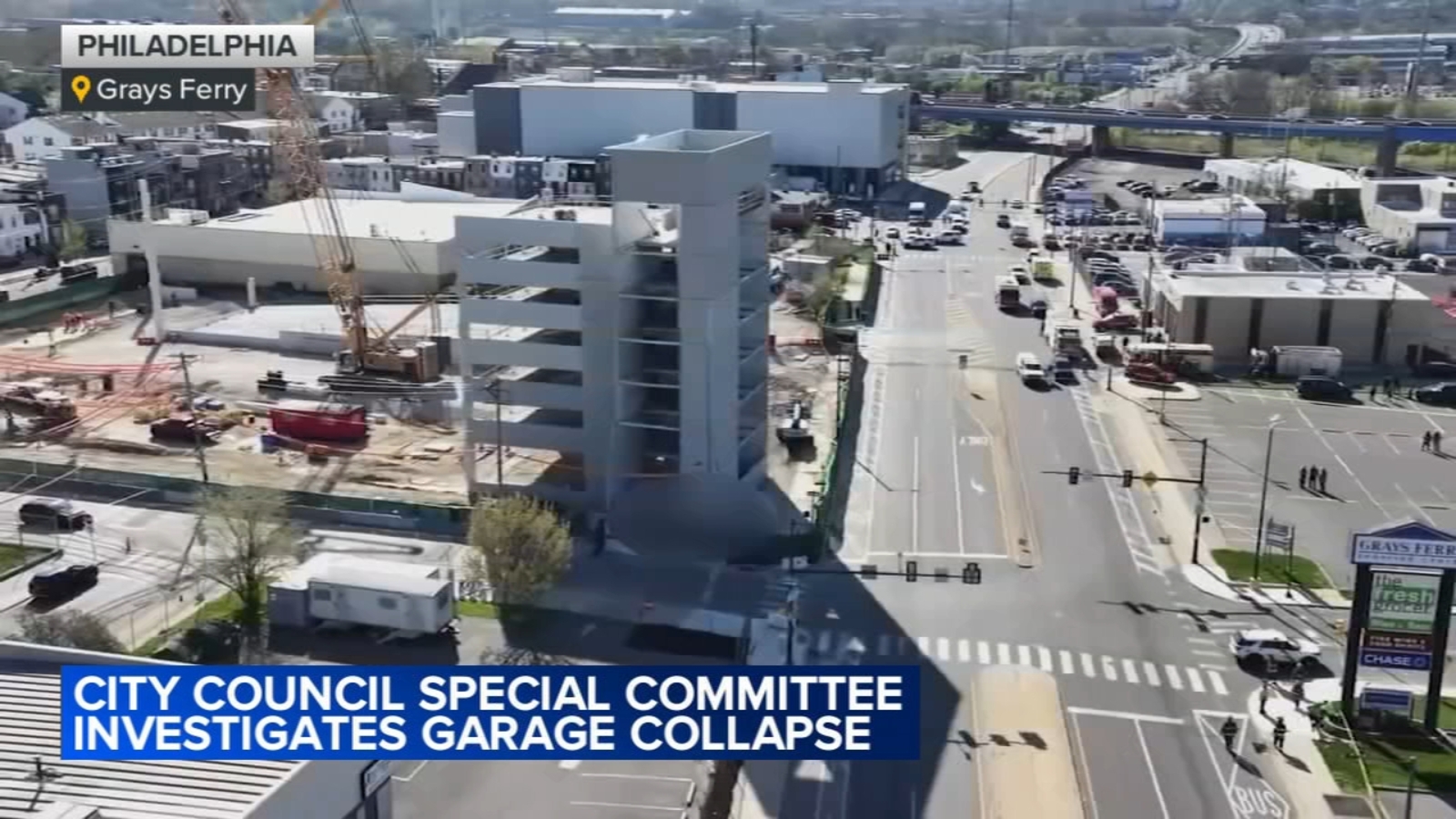
In the wake of a devastating parking garage collapse that claimed three lives in Philadelphia’s Grays Ferry neighborhood, the Philadelphia City Council has taken decisive action. Lawmakers overwhelmingly voted to establish a special committee dedicated to investigating the deadly incident, signaling a commitment to uncovering what went wrong and preventing similar tragedies in the future.
The collapse, which occurred at a parking structure under construction for the Children’s Hospital of Philadelphia (CHOP), sent shockwaves through the city and the broader construction industry. As investigators piece together the events that led to the catastrophic structural failure, families of the victims, fellow workers, and community members are demanding answers.
What Happened at the Grays Ferry Construction Site
The parking garage collapse unfolded with terrifying speed when a section of the roof gave way, triggering a cascading failure across all seven levels of the structure. According to Mayor Cherelle Parker, who briefed reporters on the incident, the initial roof failure created a domino effect that brought down the entire building in a matter of moments.
The site was an active construction zone where PreCast Services Incorporated, a subcontractor, had been installing precast concrete floor decking and roof segments. These components were manufactured off-site and assembled at the location by the manufacturer, a construction method widely used in modern commercial building projects.
Three ironworkers lost their lives in the collapse. The devastation was compounded by the difficult and painstaking recovery effort that followed. Because the structure had to be carefully demolished before searchers could safely access the wreckage, the bodies of two of the workers could not be recovered for days, extending the anguish for their families and loved ones.
City Council’s Response and Investigation
The Philadelphia City Council’s decision to launch public hearings represents a significant step toward accountability. Council members overwhelmingly approved the resolution establishing the investigative committee, demonstrating bipartisan recognition that this tragedy demands thorough examination.
The hearings will serve multiple critical purposes:
- Determining the root cause of the structural failure
- Examining compliance with building codes and safety regulations
- Reviewing engineering specifications to confirm the stairs and structural elements were built according to professional standards
- Identifying gaps in oversight that may have contributed to the disaster
- Recommending policy changes to prevent future incidents
Mayor Parker had previously announced that she would direct the city solicitor and law department to conduct their own parallel investigation, ensuring that multiple layers of inquiry would examine this catastrophic event from different angles.
The Role of Federal Investigators
Beyond local efforts, the Occupational Safety and Health Administration (OSHA) has also launched its own investigation into the parking garage collapse. Federal workplace safety regulators have decades of experience examining structural failures and construction accidents, and their findings could carry significant regulatory implications.
OSHA investigators will likely focus on whether proper safety protocols were followed, whether workers had adequate training and equipment, and whether the construction methods used at the site met federal workplace safety standards.
Understanding Precast Concrete Construction
The collapse has drawn renewed attention to precast concrete construction methods, which have become increasingly popular in commercial and institutional building projects. In this approach, structural components are cast and cured at a manufacturing facility before being transported to the construction site for assembly.
Proponents of precast construction point to several advantages:
- Quality control in a factory environment rather than on-site
- Faster construction timelines due to simultaneous site preparation and component manufacturing
- Reduced weather delays since components arrive ready to install
- Consistency in material properties and dimensions
However, the Grays Ferry incident has highlighted potential concerns about this construction method, particularly regarding how precast components are connected, supported during installation, and integrated with adjacent structures. Investigators will need to examine whether the installation process, the engineering specifications, or the components themselves contributed to the failure.
Statement from PreCast Services Incorporated
In the days following the tragedy, a spokesperson for PreCast Services Incorporated released a statement expressing the company’s grief and commitment to cooperation:
“We are deeply heartbroken by the tragic loss of our three team members. We are offering our continued support to the families, as well as our entire team as we all grapple with this tragedy.”
The company expressed gratitude to emergency workers, Ironworkers Local 401, city officials, Children’s Hospital of Philadelphia, and the community for their support during the response and recovery operation. PreCast Services emphasized its nearly 40-year history in the industry and its longstanding commitment to employee safety.
The statement also acknowledged the complexity of the investigation, noting that multiple construction partners were involved in the project and that findings would take time to emerge. The company pledged to work closely with the city, OSHA, and other entities to find answers for the affected families.
The Human Cost of Construction Accidents
Beyond the engineering questions and regulatory implications, the parking garage collapse represents a profound human tragedy. Construction work consistently ranks among the most dangerous occupations in the United States, with workers facing daily risks from heights, heavy machinery, and structural hazards.
The three ironworkers who lost their lives were members of Ironworkers Local 401, part of a proud tradition of skilled tradespeople who build the infrastructure of American cities. Their deaths underscore the importance of rigorous safety standards, proper training, and vigilant oversight on every construction site.
For the broader construction industry, this incident serves as a sobering reminder that safety protocols are not bureaucratic formalities but life-saving measures. Every specification, every inspection, and every safety procedure exists because previous tragedies taught hard lessons about what can go wrong.
Broader Implications for Building Safety
The Philadelphia parking garage collapse investigation will likely have ripple effects throughout the construction sector, potentially influencing how similar projects are designed, approved, and executed in other cities. Building officials, engineers, and contractors across the country will be watching the investigation closely.
Several key questions remain at the center of the inquiry:
- Were the engineering plans for the structure sound, and were they properly reviewed?
- Did the precast components meet the specifications outlined in the design documents?
- Were proper temporary supports in place during the installation process?
- Did workers have adequate training for the specific challenges of precast assembly?
- Were existing safety inspections sufficient to catch potential problems before they became catastrophic?
Answers to these questions will not only provide closure for the families of the victims but could also lead to meaningful reforms that save lives in the future.
Looking Ahead: Accountability and Prevention
As Philadelphia moves forward from this tragedy, the city faces the dual challenge of seeking accountability for what happened while implementing changes to prevent future disasters. The City Council’s investigative hearings represent an important first step, creating a public forum where evidence can be examined and recommendations developed.
The investigation’s findings will be closely scrutinized by labor organizations, safety advocates, construction industry professionals, and government regulators. Whatever conclusions emerge, the families of the three ironworkers deserve a complete and honest accounting of how this parking garage collapse occurred and what will be done to ensure that no other workers face similar dangers.
Construction sites across Philadelphia and beyond will continue their work in the coming days and weeks, but the shadow of this tragedy will linger. It serves as a stark reminder that behind every construction project are real people whose lives depend on the decisions made by engineers, contractors, and regulators. The hope is that the lessons learned from this devastating collapse will lead to safer working conditions and stronger protections for construction workers throughout the industry.