
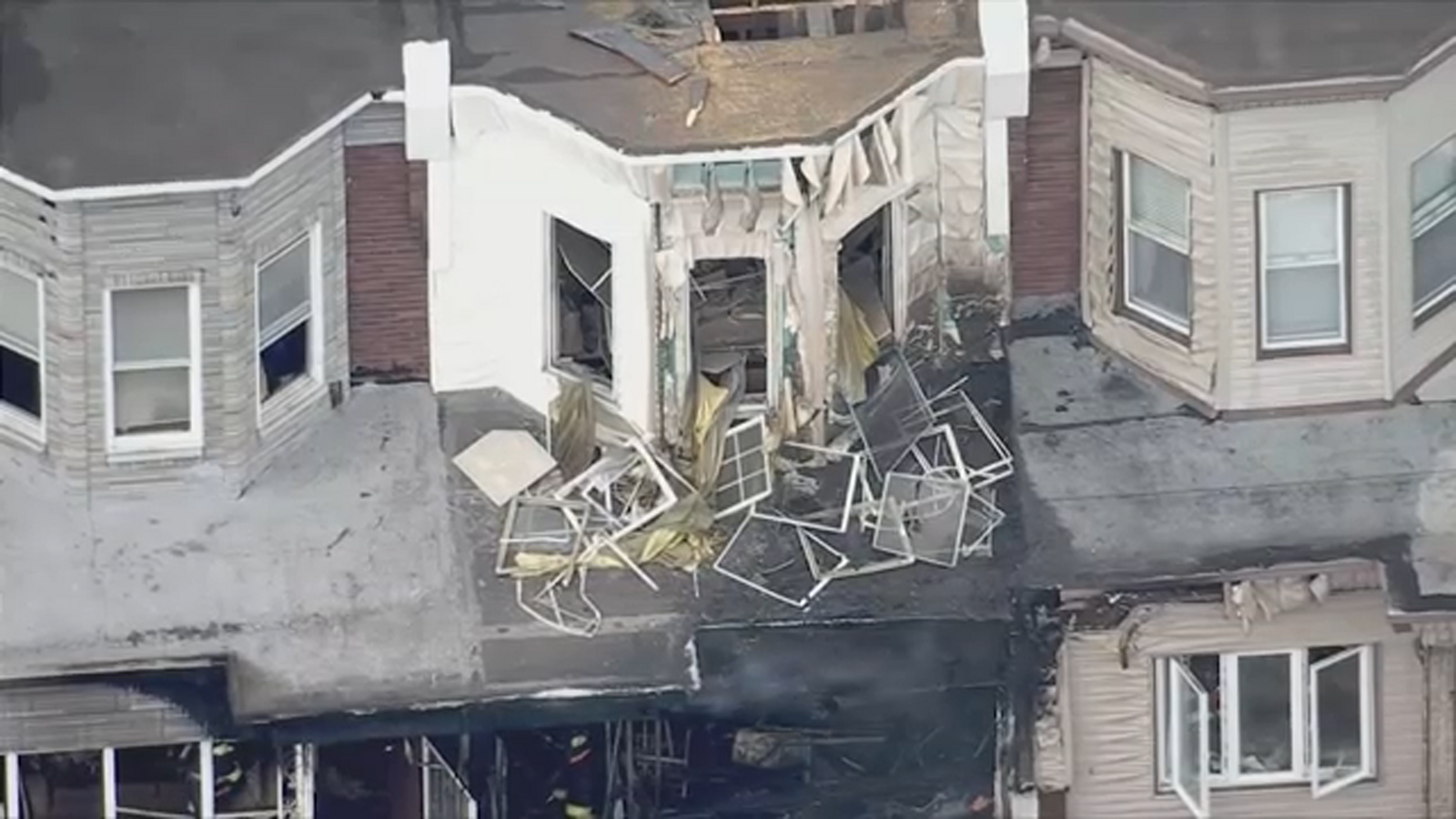
A devastating row home fire Philadelphia tragedy has left one family shattered and a neighborhood in mourning. According to officials, a woman has died from injuries sustained during a fire that tore through a residence in the Kingsessing section of Philadelphia on Wednesday morning. The fatal incident has once again drawn attention to the unique fire risks that come with the city’s iconic row home architecture , buildings where shared walls can turn a single household emergency into a multi-property catastrophe in a matter of minutes.
The fire broke out around 9:30 a.m. on Wednesday in the 1600 block of South 54th Street, according to the Philadelphia Fire Department. By Thursday morning, officials had confirmed to local news outlets that the woman, who had been pulled from the burning structure the previous day, had succumbed to her injuries. Her identity has not yet been publicly released.
How the Row Home Fire Unfolded
Emergency responders arrived at the South 54th Street address to find heavy flames and thick smoke pouring from the residence. Within minutes of arrival, the incident commander made the call to place the fire into “all-hands” status , a designation that signals a serious structure fire and triggers a wider response.
“The incident commander placed the fire into ‘all-hands’ status just a few minutes after arrival. That brought about 60 PFD members to the scene, which included firefighters, officers, EMS providers, and support staff,” said fire department spokesperson Rachel Cunningham in a statement to local media.
The rapid escalation illustrates exactly why row home fire Philadelphia incidents remain among the most dangerous scenarios firefighters face. With structures sharing walls , and often shared attic spaces, rooflines, and ventilation systems , a fire that begins in one unit can spread to adjacent homes with alarming speed if not contained quickly.
Victims and Rescue Operations
Two people were rescued from the burning home. The woman, who was critically injured, was transported to a local hospital where she died the following morning. A second victim, identified by neighbors as her son, was also pulled from the structure. He was treated at a hospital for his injuries and later released.
The precise condition of the home and the circumstances that led to the woman’s death have not been disclosed. Investigators are working to determine the cause of the fire, which remains officially under investigation at this time.
Damage to Neighboring Properties
Video captured at the scene showed firefighters battling intense flames as the fire spread through the building and reached adjacent homes. The shared-wall nature of the row home construction made it nearly impossible to keep the blaze contained to a single property.
Neighbor Edna Lindsay reported that her porch sustained damage from the spreading fire, though her home itself remained structurally intact.
“When I came out of the house, there were so many cop cars and fire trucks,” said Basheer Ali, who lives nearby. “It really scared me.”
The row home fire Philadelphia incident is a stark reminder of how a single household emergency can cascade into a block-wide crisis. Fire officials routinely emphasize that row home fires represent one of the most challenging structural scenarios in urban firefighting, largely because of the connected architecture that defines Philadelphia’s residential landscape.
The Unique Risks of Row Home Construction
Philadelphia’s residential neighborhoods are famously defined by long blocks of attached row homes , a building style that has shaped the city for more than a century. While these homes are prized for their affordability, walkability, and tight-knit community feel, they also present specific fire safety challenges that homeowners should understand.
Shared Walls and Hidden Pathways
The party walls that separate row homes can act as vertical channels for fire, smoke, and heat. Fires that start in basements, kitchens, or attic spaces can quickly travel through wall cavities and into neighboring units , sometimes before occupants even realize there is an emergency. This phenomenon is sometimes referred to as “concealed spread,” and it is one of the leading reasons why row home fire Philadelphia incidents so frequently result in multi-home damage.
Older Electrical and Plumbing Systems
Many of the city’s row homes are decades , if not a century , old. Aging electrical wiring, outdated breaker panels, and aging HVAC systems can all contribute to fire risk. Experts recommend that residents of older homes schedule periodic electrical inspections, particularly if they have noticed flickering lights, frequently tripped breakers, or warm outlets.
Closely Spaced Properties
The narrow gaps between row homes , often just inches apart , leave little buffer for fire crews trying to prevent spread. Porches, bay windows, shared cornices, and attached garages can all act as bridges for flames to leap from one unit to another.
What Residents Should Do
Fire safety experts and the Philadelphia Fire Department regularly publish guidance for residents living in row homes. Some of the most important recommendations include:
- Install smoke detectors on every level. The Philadelphia Fire Department recommends interconnected smoke alarms so that when one sounds, they all sound.
- Test detectors monthly and replace batteries at least once a year.
- Develop and practice an escape plan. Every household member should know two ways out of every room.
- Never disable smoke alarms while cooking or for any other reason; instead, address the underlying nuisance alarms by relocating the device or upgrading to a photoelectric model.
- Keep exits clear. Blocked doors, cluttered hallways, and barred windows can turn a survivable fire into a deadly one.
- Close interior doors before bed. A closed door can significantly slow the spread of fire and smoke.
Community Response and Ongoing Investigation
The Kingsessing community has been left grappling with the loss in the days since the fire. Neighbors like Ali and Lindsay describe a frightening scene that unfolded in a typically quiet residential block , the kind of neighborhood where everyone knows each other and unusual activity quickly becomes the talk of the street.
Investigators from the Philadelphia Fire Department’s Fire Marshal unit are continuing to examine the scene to determine what caused the fire. Determining a definitive cause can take days or even weeks, particularly when investigators must sift through fire debris and rule out multiple potential ignition sources.
Authorities have not yet released the name of the woman who died, pending notification of next of kin. The Philadelphia Medical Examiner’s Office will ultimately determine the official cause and manner of death.
Looking Ahead
Tragic incidents like this row home fire Philadelphia case underscore the importance of community vigilance, regular fire safety maintenance, and swift emergency response coordination. While firefighters were able to rescue two victims and prevent the fire from spreading further than it did, the ultimate toll , the loss of a life , is a sobering reminder of how quickly fire emergencies can become fatal.
For residents across the city, the incident is a call to action: check smoke alarms, review escape plans, and speak with neighbors about shared fire safety responsibilities. In a city built on the row home, no single household exists in isolation from the next, and fire safety is fundamentally a community effort.
As the investigation continues and the neighborhood mourns, the city is once again reminded that prevention, preparation, and rapid response remain the three most powerful tools in protecting lives from the unique dangers that come with this beloved form of urban housing.