
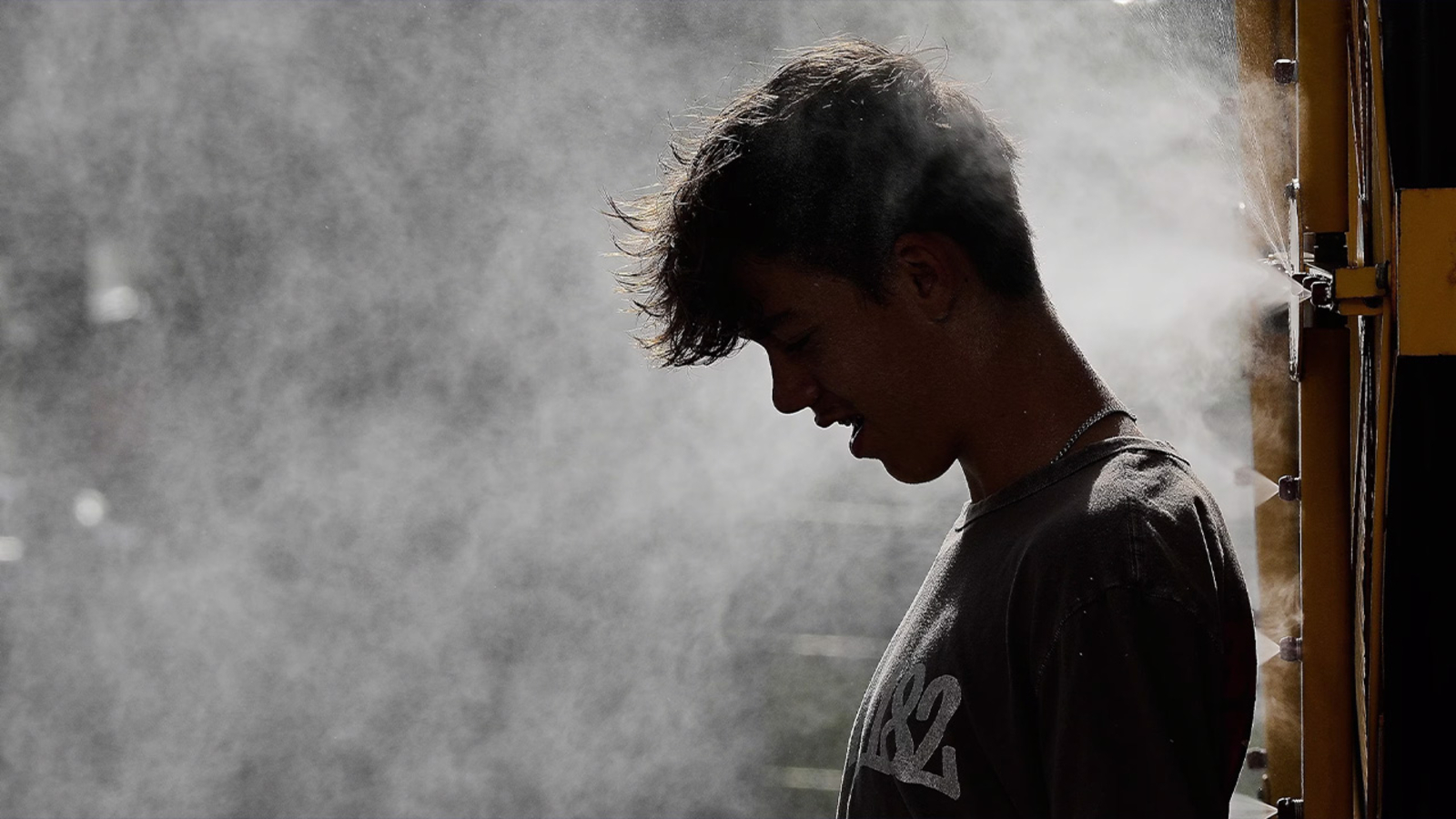
When temperatures climb past 90 degrees Fahrenheit, many people instinctively reach for their trusty electric fan, believing that circulating air will help them beat the heat. However, here’s a surprising twist: using fans during heat waves can actually make your body warmer instead of cooler. This counterintuitive fact has caught many people off guard, and understanding why could be genuinely life-saving during periods of extreme heat.
This summer, dangerous heat waves have blanketed more than two dozen states, sending millions of Americans scrambling for relief. While air conditioning remains the gold standard for staying cool, it’s not always accessible. That’s when knowing the ins and outs of fans, sweat, and body temperature regulation becomes absolutely critical.
The Science Behind Fans and Body Temperature
To understand why fans during heat waves can backfire, you need to grasp how your body naturally cools itself. Your skin produces sweat, and as that moisture evaporates, it carries heat away from your body. A fan accelerates this evaporation process, which is why moving air generally feels refreshing on a warm day.
However, there’s a threshold beyond which this mechanism stops working effectively. The Centers for Disease Control and Prevention has long warned that using a fan when temperatures exceed 90 degrees Fahrenheit can actually increase body temperature. The reason? When the air is extremely hot, the fan simply pushes that scorching air across your skin without providing meaningful cooling. Worse, the rapid airflow can accelerate dehydration by causing sweat to evaporate before your body can benefit from the cooling effect, or it can push hot air toward you rather than away.
What Happens Above the 90-Degree Threshold
Once outdoor temperatures climb above that critical 90-degree mark, the air itself becomes hotter than your skin. In these conditions, a fan essentially becomes a device that blows hot air directly onto you. The breeze might feel subjectively pleasant, but it’s not lowering your core temperature, and in some cases, it may actually be raising it.
This is why heat wave safety experts emphasize that fans should be used strategically, not as a primary defense against extreme heat, but as a supplement to other cooling strategies.
Smart Cooling Strategies Beyond the Fan
Given the limitations of fans during extreme temperatures, what’s the best approach to staying cool in extreme heat? The CDC and World Health Organization offer several evidence-based recommendations that can help you weather even the most brutal heat waves.
Seek Air-Conditioned Refuge
If at all possible, spend at least two hours each day in an air-conditioned environment. This could mean staying home with your AC running, visiting a designated cooling center in your community, or spending time at a public library, shopping mall, or other climate-controlled public space. Air conditioning remains the single most effective tool for preventing heat-related illness.
Find Shade and Avoid Direct Sunlight
The National Weather Service has noted that the heat index, which measures how hot temperatures actually feel when humidity is factored in, can increase by up to 15 degrees Fahrenheit when you’re standing in direct sunlight. Staying in shaded areas, whether outdoors or indoors and away from sunny windows, can dramatically reduce your heat exposure.
Use Targeted Cooling Aids
Cooling towels, water sprays, and misting bottles can provide immediate skin relief when wet. These tools work by placing moisture directly on your skin, where evaporation can do its job efficiently. Apply them to pulse points like your wrists, neck, and temples for maximum effect.
Optimize Your Ceiling Fan Direction
If you’re using ceiling fans, make sure the blades are rotating in a counterclockwise direction. According to energy efficiency experts like Efficiency Vermont, this setting creates a downward breeze that produces a cooling effect. During winter, you’d reverse this direction, but in summer, counterclockwise is the way to go.
Lifestyle Adjustments for Heat Wave Days
Beyond mechanical cooling solutions, certain behavioral changes can significantly reduce your risk of overheating during a heat wave.
Time Your Outdoor Activities Wisely
Avoid or limit outdoor activities during the hottest parts of the day. If you must be outside, schedule your tasks for early morning or evening hours when temperatures have dropped. Take regular breaks from physical activities, and postpone any strenuous work until cooler weather arrives.
Dress for the Heat
Wear lightweight, loose-fitting clothing in light colors. Light hues reflect sunlight rather than absorbing it, keeping you noticeably cooler. A brimmed hat provides additional protection for your face and neck, two areas particularly vulnerable to sun exposure.
Prioritize Hydration
Drink plenty of water throughout the day, aiming for at least one cup every hour. Don’t wait until you feel thirsty to drink, because by that point, you’re already becoming dehydrated. Avoid alcohol and caffeine, which can contribute to fluid loss. Carry a water bottle with you and refill it frequently.
Adjust Your Cooking Habits
Limit cooking that involves a hot oven or stove, as these appliances can significantly raise indoor temperatures. Use exhaust fans to pull hot air out of your kitchen, and consider cold meals like salads, sandwiches, and fresh fruit during heat waves.
Take Cool Showers and Baths
A cool shower or bath provides immediate body temperature reduction and can offer relief that lasts for hours. You can also dampen a towel with cool water and drape it around your neck for ongoing comfort.
Manage Your Indoor Environment
Cover windows with shades or curtains during hot, daylight hours to block sunlight from heating your living spaces. When temperatures cool down at night, open windows to allow cooler air to circulate. Turn off unnecessary electrical appliances and devices, as they generate heat. Save energy-intensive tasks like laundry and dishwashing for cooler nighttime hours.
Recognizing Heat-Related Illness
Even with the best precautions, heat-related illness can strike anyone during extreme heat. Knowing the warning signs can help you respond quickly and potentially save a life.
Heat Exhaustion Warning Signs
Heat exhaustion occurs when you sweat excessively and your body loses critical salt and water. Symptoms include:
- Headache and dizziness
- Nausea and weakness
- Irritability and confusion
- Intense thirst
- Heavy sweating
- Elevated body temperature
- Decreased urine output
If you notice these signs in yourself or someone nearby, move to a cooler location, drink water, and apply cool, wet cloths to the skin.
Heat Stroke: A Medical Emergency
Heat stroke is far more dangerous and requires immediate medical attention. It happens when the body loses its ability to regulate temperature, causing internal temperatures to rise rapidly, sometimes reaching 106 degrees Fahrenheit or higher within just 10 to 15 minutes.
Watch for these critical heat stroke warning signs:
- Confusion or altered mental state
- Slurred speech
- Loss of consciousness
- Hot, dry skin or profuse sweating
- Seizures
- Extremely high body temperature
If you suspect anyone is suffering from heat stroke, call 911 immediately. This condition can be fatal without rapid medical intervention.
Looking Out for Vulnerable Loved Ones
During heat waves, checking on others becomes a community responsibility. Pay particular attention to children, older adults, people with chronic health conditions, and anyone who lives alone. These groups face higher risks of extreme heat dangers and may need assistance accessing cooling resources or recognizing symptoms.
Don’t forget about pets either. Animals suffer in high temperatures too, and they rely entirely on their owners to provide shade, water, and cool environments. Never leave a child or pet in a parked car, even briefly, as vehicle interiors can reach lethal temperatures within minutes.
Conclusion
While fans are wonderful tools for everyday comfort, relying on fans during heat waves with temperatures above 90 degrees can actually raise your body temperature rather than lower it. The key to surviving extreme heat lies in a multi-pronged approach that combines air-conditioned environments, smart hydration, appropriate clothing, strategic timing of activities, and vigilant monitoring for warning signs of heat-related illness.
By understanding the limits of fan cooling and embracing a comprehensive set of cooling strategies, you can protect yourself and your loved ones from the serious health risks that heat waves bring. Stay informed, stay hydrated, and stay cool, because when it comes to extreme heat, knowledge truly is the best defense.